
"For aging individuals experiencing homelessness, specialized shelters offering integrated medical care are not just a convenience, but a critical lifeline that can mean the difference between life and death."
The growing number of older adults facing homelessness in the United States presents a complex and urgent challenge, highlighting the inadequacies of traditional support systems. A new wave of specialized shelters is emerging to address the unique needs of this demographic, offering not only a roof over their heads but also vital medical services tailored to their age and health conditions. These facilities are proving to be instrumental in providing stability and a path toward permanent housing for a population that is often overlooked and underserved.
Just outside Salt Lake City, a repurposed two-story brick hotel has been transformed into a haven for elderly individuals experiencing homelessness. This facility, known as the Medically Vulnerable Population (MVP) shelter, is specifically designed to serve those aged 62 and older, as well as younger adults with chronic health conditions. Unlike many traditional homeless shelters, the MVP facility boasts accommodations suited for individuals with mobility challenges, including shared rooms designed with accessibility in mind. Crucially, it also provides private bathrooms, a significant consideration for residents managing issues like incontinence, which can be a source of embarrassment and a barrier to entry in less accommodating environments.
The demographic of homelessness is shifting, with older adults representing the fastest-growing segment of the unhoused population in the United States, according to Dennis Culhane, a researcher at the University of Pennsylvania. This trend is attributed to two primary factors: individuals who have experienced long-term homelessness are aging into older adulthood, and a growing number of seniors are losing their housing for the first time in their lives. These individuals often face significant hurdles in conventional shelters. Simple tasks such as navigating bunk beds, managing medication schedules, and accessing shared bathrooms can become insurmountable challenges for those with physical limitations. In some instances, traditional shelters have had to ask residents to leave if they require a level of care beyond what the facility can provide.
The MVP shelter stands out as an unusual and highly effective model because it integrates medical care directly into its services, enabling a more comprehensive approach to supporting its aging residents. This on-site medical support is crucial for proactive health management and immediate response to health crises.
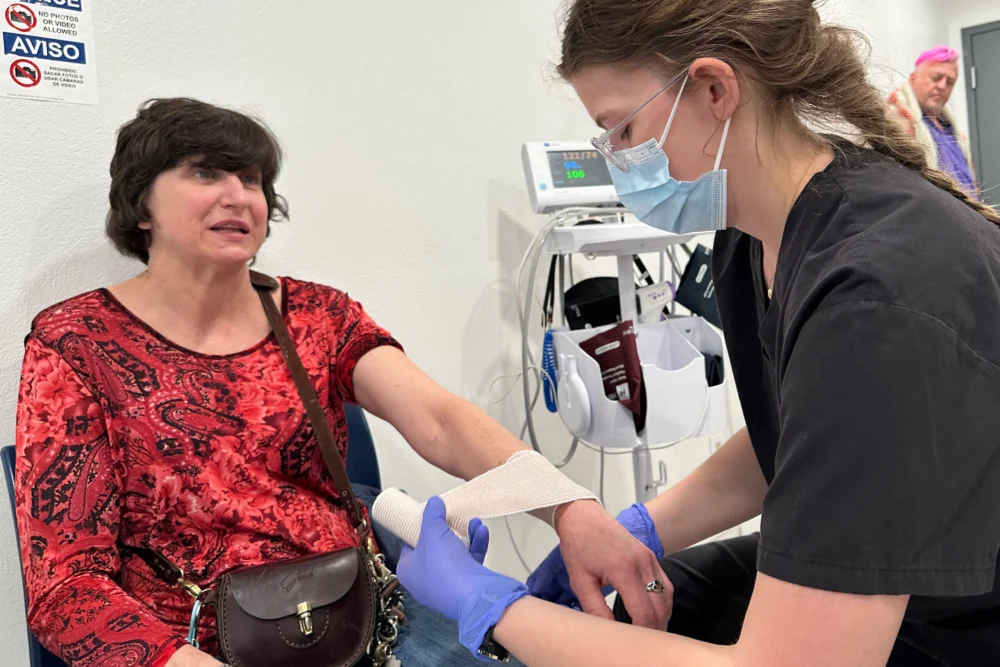
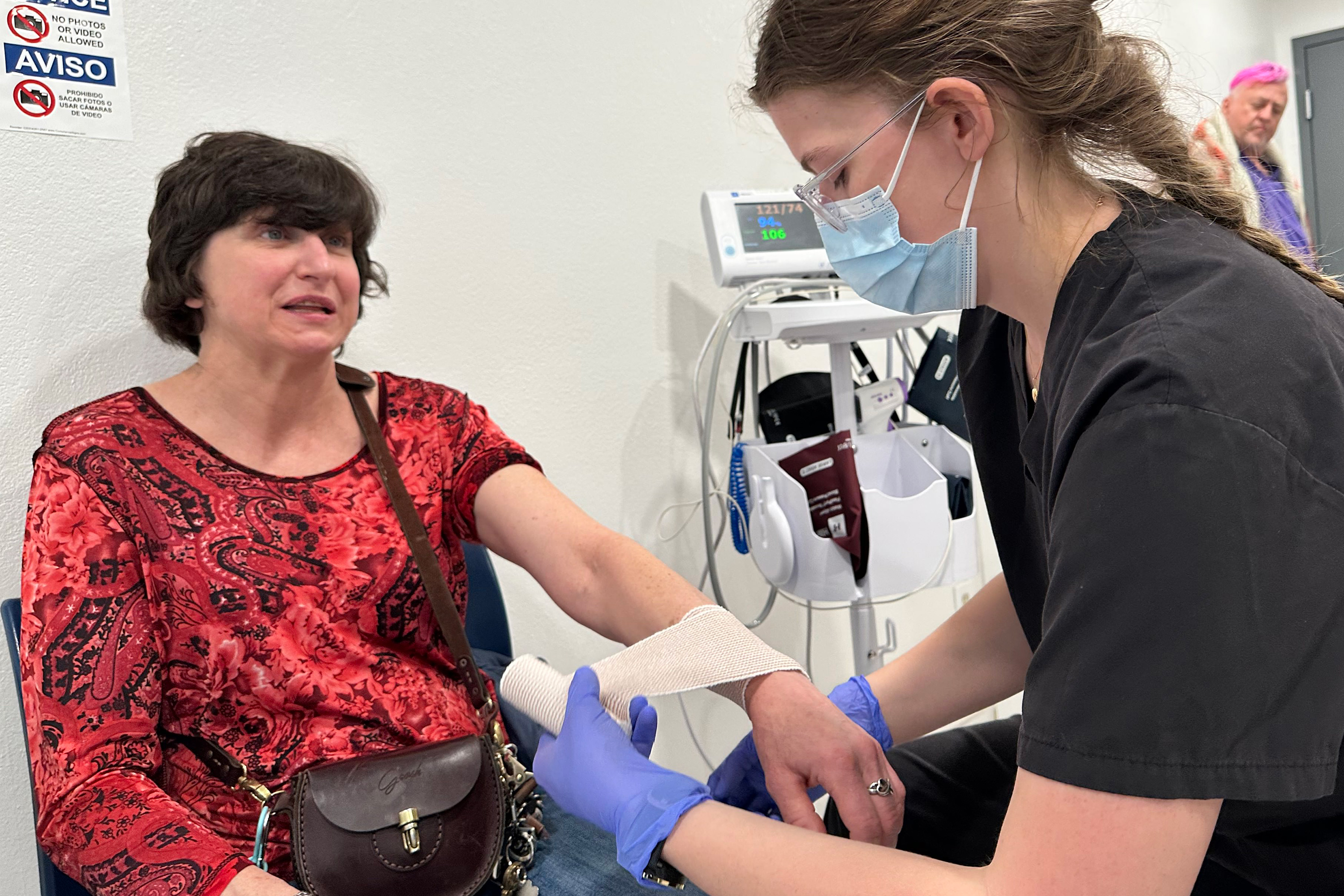
Jamie Mangum, who is in her early fifties and battling lung cancer, experienced the direct benefit of this integrated care model. After a fall in her room, she was able to quickly receive treatment from an on-site emergency medical technician for her swollen wrist. She recounted that such prompt attention would have been impossible in other shelters she has utilized, where she would have faced hours of waiting. At MVP, she was seen and treated immediately, allowing her to return to her room without significant delay. Furthermore, specialized social workers at MVP have assisted her in navigating her cancer treatment, demonstrating the holistic support offered by the facility.
Baleigh Dellos, who manages the MVP shelter for The Road Home, a local nonprofit organization, explained that the shelter serves individuals who require memory care and may have previously lived independently but are no longer able to do so due to conditions like dementia. These individuals may have been evicted for various reasons, making the structured and supportive environment of MVP particularly vital. The shelter employs specialized medical case managers, and primary care physicians and therapists visit weekly. Residents can even access physical therapy within the facility, further enhancing the convenience and effectiveness of their care.
The MVP shelter has forged a partnership with the Fourth Street Clinic to deliver essential medical services. Matt Haroldsen of the Fourth Street Clinic, which provides health services within the shelter, emphasized that managing medications is often the first and most critical need for new residents. For those who have been living on the streets, simply keeping medications safe and accessible is a major challenge. Haroldsen noted that in encampments, individuals often have their medications stolen. The ability to secure and properly store medication is a foundational step toward stabilizing an individual’s health, allowing them to then focus on other crucial priorities. These include obtaining identification, disability benefits, Social Security, and other programs that can ultimately lead to securing stable housing.
The success of the MVP model is not isolated. Local governments and nonprofits in Florida, California, and Arizona have initiated similar shelters to address the escalating needs of older adults experiencing homelessness. Caitlin Synovec, deputy director of the National Health Care for the Homeless Council, stressed that access to specialized shelters can be a matter of life and death. In colder climates, denying shelter to seniors due to mobility issues or other medical conditions can have fatal consequences. She cited the tragic case of an older homeless man in Bozeman, Montana, who died of hypothermia in 2022 after being turned away from a shelter due to incontinence.
Complex medical needs can also pose risks to other residents in general shelters, which are often ill-equipped to handle such situations. Synovec explained that typical shelters may not permit individuals requiring oxygen, for example, due to fire safety concerns. Providing medical care within shelters, she argues, is the most effective way to help older adults maintain stability once they achieve housing. Health problems are a significant reason why many seniors are unable to afford or sustain housing.
The MVP model is demonstrating promising results, not only in Utah but also in other locations. Jacob Torner, vice president of programs for the Task Force for Ending Homelessness in Fort Lauderdale, Florida, reported that over 80% of individuals who participated in their program last year successfully transitioned to stable or permanent housing. His organization manages a similar shelter called Elder Haven. The MVP shelter near Salt Lake City has also seen considerable success, having permanently housed 36 seniors by the end of last year.
Despite these successes, the demand for such services far outstrips the available capacity. Dellos, the manager of the MVP shelter, noted that their waiting list consistently hovers around 200 individuals. She explained that priority is given to those with the most critical medical needs, rather than simply the length of their wait time.
For those who manage to secure a room, the experience can be profoundly life-altering. Jeff Gregg, 62, was observed playing fetch with his dog Ruffy outside the MVP shelter. A decades-old back injury had led to opioid addiction, a cycle he found incredibly difficult to break. He described the struggle of maintaining sobriety while simultaneously facing the urgent needs of finding food and shelter. He stated that MVP was the first place where he felt he could finally relax and focus on his recovery. Over a couple of months, he was able to discontinue his opioid use. This newfound stability paved the way for him to undergo back surgery, alleviating his chronic pain. Gregg expressed hope that with reduced pain, he will eventually be able to find employment and secure an apartment.
The challenge of senior homelessness is multifaceted, stemming from a complex interplay of economic instability, health crises, and systemic gaps in support services. As the population ages, the need for specialized interventions like the MVP model will only intensify. These shelters represent a compassionate and effective response, recognizing that older adults deserve dignity, safety, and access to comprehensive care as they navigate their most vulnerable years. Their success underscores the critical importance of continued investment and expansion of these targeted programs to address a growing national crisis.
This article is part of a collaboration with NPR and Montana Public Radio.
