
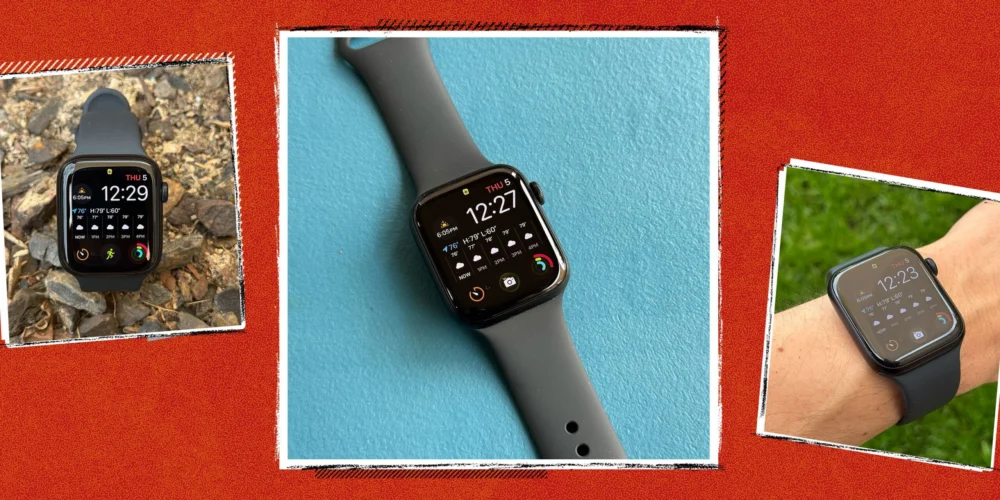
"The Apple Watch SE 3 marks the end of the ‘budget compromise’ era, delivering flagship essentials like an always-on display and the S10 chip at a price point that redefines the entry-level experience."
The release of the Apple Watch SE 3 represents a significant strategic shift for Apple, effectively narrowing the gap between its entry-level hardware and its premium flagship offerings. By integrating high-performance internals and a long-requested always-on display, Apple has transformed its value-oriented wearable from a basic notification hub into a sophisticated health and performance tool that challenges the necessity of its more expensive counterparts for the average user.
The Evolution of the SE Philosophy
For much of its history, the Apple Watch SE was defined by what it lacked. It was the device for those who wanted the ecosystem benefits—iMessage, Activity rings, and seamless iPhone integration—without the "luxury" price tag or the advanced medical sensors found in the Series line. However, as the wearable market has matured, user expectations for "basic" functionality have shifted. Features once considered premium, such as high-speed processing and persistent displays, are now viewed as essential for a modern smartwatch experience.

The Apple Watch SE 3 addresses this shift head-on. By incorporating the newer S10 chip and an always-on display, Apple has removed the two primary friction points that previously drove users toward the more expensive Series models. The result is a device that feels less like a "lite" version and more like a focused, efficient flagship for the value-conscious consumer.
Design and Ergonomics: Familiarity with a Purpose
At first glance, the SE 3 maintains the iconic silhouette that has defined the Apple Watch for a decade. Available in 40mm and 44mm aluminum cases, the device remains the most ergonomic choice for users with smaller wrists or those who prefer a watch that "disappears" under a shirt sleeve. The physical interface remains centered around the haptic Digital Crown and the side button, providing a tactile reliability that touch-only interfaces often lack.
While the exterior remains familiar, the display hardware tells a more nuanced story. To maintain the lower price point, the SE 3 retains slightly thicker bezels compared to the edge-to-edge architecture of the Series 11. While this means the display doesn’t feel quite as immersive, the inclusion of the always-on display (AOD) technology more than compensates for the bezel size. The AOD allows the watch face to remain visible in a dimmed state, enabling users to glance at the time or their workout metrics without the exaggerated "wrist-flip" gesture required by previous SE models. This subtle change fundamentally alters the utility of the device, making it feel like a traditional timepiece that is always ready, rather than a screen that only wakes when prompted.
Performance and the Power of the S10 Chip
The heart of the SE 3 is the S10 chip, the same silicon found in Apple’s higher-end models. This is perhaps the most significant upgrade in terms of longevity and daily usability. In the world of wearables, processor speed isn’t just about opening apps faster; it’s about the fluidity of the entire interface and the capability of on-device intelligence.

With the S10, the SE 3 handles animations with buttery smoothness and eliminates the micro-stutters that can plague older or lower-powered smartwatches. More importantly, it enables on-device Siri. By processing voice commands locally rather than sending them to the cloud, the SE 3 can set timers, start workouts, and log health data with near-instantaneous response times. This speed is particularly noticeable during transitions—switching from a navigation prompt to a music control screen feels instantaneous, reinforcing the sense that this is a premium piece of technology.
Gesture Control and the User Experience
The SE 3 also inherits Apple’s latest interaction paradigms: double-tap and wrist-flick gestures. These features utilize the S10’s neural engine to detect the minute movements and changes in blood flow when a user taps their index finger and thumb together.
In practical application, these gestures solve common "real-world" problems. For instance, a baker with flour-covered hands can pause a timer with a simple double-tap, or a commuter carrying bags can dismiss a notification with a flick of the wrist. These are not merely gimmicks; they are accessibility and convenience features that make the watch more useful in situations where the user’s other hand is occupied. By bringing these to the SE line, Apple has ensured that its most affordable watch doesn’t feel left behind in the company’s push toward more natural, hands-free interfaces.
A New Frontier in Health and Sleep Tracking
While the SE 3 still lacks the electrical heart sensor (ECG) and blood oxygen monitoring found in the Series 11, it has gained a suite of software-driven health features that are arguably more useful for the general population. The introduction of the Vitals app and an enhanced Sleep Score system represents a shift from raw data collection to actionable wellness insights.

The Sleep Score, powered by the latest watchOS, provides a comprehensive 0–100 metric based on sleep duration, consistency, and interruptions. Unlike previous iterations that simply showed "time in bed," the SE 3’s analysis is surprisingly prescriptive. Users who receive a low score are given insights into why—perhaps due to a high number of wakeful periods or a late bedtime—which can nudge them toward better habits, such as reducing screen time before bed.
Furthermore, the SE 3 utilizes its sensors to track "breathing irregularities," a metric that can alert users to potential signs of sleep apnea. While not a diagnostic tool, this feature serves as an important early-warning system. Combined with the Vitals app, which monitors overnight heart rate, respiratory rate, and wrist temperature to establish a personal baseline, the SE 3 provides a holistic view of a user’s recovery and internal health. If these metrics deviate from the norm, the watch alerts the user, potentially signaling the onset of illness or overtraining before physical symptoms appear.
Connectivity and Safety: The Invisible Guard
For many, the Apple Watch is as much a safety device as it is a fitness tracker. The SE 3 continues to offer the full suite of Apple’s safety technology, including Fall Detection, Crash Detection, and Emergency SOS. These features use high-g accelerometers and gyroscopes to detect the specific physics of a car accident or a hard fall, automatically contacting emergency services if the user is unresponsive.
Connectivity has also seen a boost with the inclusion of 5G in the cellular models. This allows for faster data speeds and more reliable connections when away from an iPhone. For runners or outdoor enthusiasts who prefer to leave their phones at home, the SE 3 provides a robust tether to the world, capable of streaming high-quality audio and handling complex navigation without lag.

Battery Life and the Fast-Charging Solution
Battery life remains the primary challenge for all high-performance smartwatches. Apple continues to promise 18 hours of "all-day" battery life, a figure that the SE 3 generally exceeds in real-world testing. Even with the always-on display active and a 30-minute GPS-tracked workout, most users will find they have enough charge to get through a full day and a night of sleep tracking.
However, the real solution to battery anxiety in the SE 3 is fast charging. The ability to gain eight hours of use from a mere 15-minute charge is a game-changer for sleep tracking. By charging the watch during a morning shower or while preparing dinner, users can maintain a near-continuous wear cycle. While it cannot compete with the multi-day battery life of specialized fitness watches from brands like Garmin, the SE 3’s rapid top-offs make it much more livable for the average urban user.
Final Verdict: The Value Equation
The Apple Watch SE 3 is no longer the "budget" choice; it is the "smart" choice. At its $250 price point, it offers 90% of the functionality of the $399 Series 11 for nearly half the cost. While power users may still crave the larger, wide-angle OLED display of the Series 11 or the rugged, 36-hour battery life and titanium build of the $799 Ultra 3, the SE 3 provides everything the vast majority of users actually need.
By democratizing features like the S10 chip and the always-on display, Apple has created a device that feels modern, fast, and indispensable. The SE 3 isn’t just a great value; it’s a testament to how far wearable technology has come, proving that you don’t need to pay a premium to have a flagship experience on your wrist.
