
"Effective snoring management begins with structural alignment; the right pillow doesn’t just provide comfort, it serves as a mechanical intervention to keep the airway open throughout the night."
Snoring is more than a nocturnal nuisance; for many, it is a physiological signal that the respiratory system is struggling against gravity and positional obstruction. By utilizing targeted sleep ergonomics—specifically through specialized pillows designed to elevate the head or encourage side-sleeping—individuals can significantly reduce the tissue vibration that causes noise. This guide explores the mechanical foundations of snoring and evaluates the premier pillows currently available to help restoratives rest for both snorers and their partners.
Understanding the Mechanics of Snoring
To address snoring, one must first understand its anatomical origins. As the body enters deep sleep, the muscles in the roof of the mouth (soft palate), tongue, and throat relax. For many individuals, this relaxation allows the tongue to fall backward and the throat tissues to sag. When the airway is narrowed, the air forced through the passage causes the surrounding tissues to vibrate, creating the audible sound of snoring.
Gravity is often the primary antagonist in this scenario. When sleeping flat on the back (supine position), the effect of gravity on the throat is most pronounced. This is why many "anti-snore" interventions focus on positional therapy—either by elevating the upper body to keep the airway clear or by forcing the sleeper onto their side, where the airway is less likely to collapse.
The Role of Loft and Firmness in Airway Patency
Choosing a pillow is a highly subjective process, but for snorers, three variables are non-negotiable: loft, firmness, and shape. Loft refers to the height of the pillow. A back sleeper generally requires a medium loft to keep the head level with the spine, while side sleepers need a higher loft to fill the gap between the neck and the shoulder. If the loft is too low, the head tilts backward, narrowing the throat; if it is too high, the chin is pushed toward the chest, which can also restrict breathing.
Firmness ensures that the chosen loft is maintained throughout the night. A pillow that is too soft will bottom out, losing its corrective shape within hours. Conversely, specialized shapes, such as wedges or contoured memory foam, provide the structural integrity needed to maintain the "snore-friendly" positions that experts recommend.
Top-Tier Anti-Snoring Solutions for 2024
The Versatile Standard: Coop Home Goods Original Loft Pillow
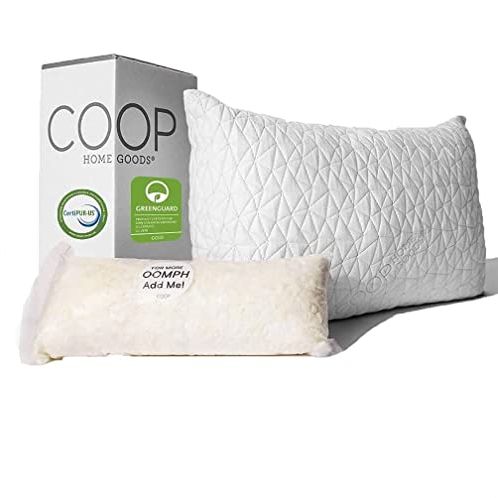
Traditional solid memory foam blocks can be polarizing, often feeling too rigid for some and too high for others. The Coop Home Goods Original Loft Pillow addresses this through a shredded memory foam fill. This design allows the user to manually add or remove fill to achieve a precise loft. For snorers, this adjustability is vital for finding the exact angle that aligns the neck and spine to keep the airway open. The inclusion of an extra half-pound bag of fill ensures that even those who require maximum elevation are accommodated.
The Positional Specialist: Xtreme Comforts Memory Foam Wedge Pillow
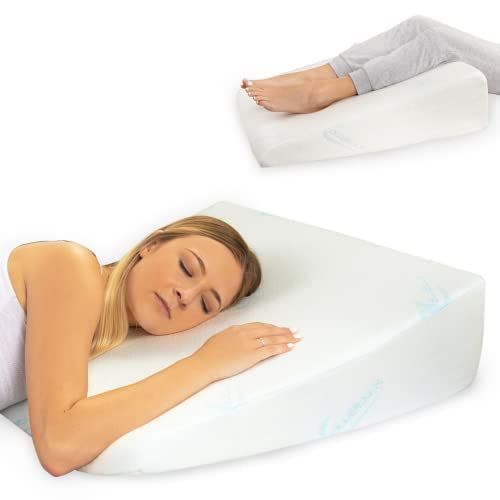
For those whose snoring is strictly tied to back-sleeping, elevation is the most effective remedy. The Xtreme Comforts Wedge Pillow features a 30-degree incline and a seven-inch profile, significantly higher than a standard pillow. By elevating the head and torso, gravity pulls the tongue and soft palate forward rather than backward. Beyond snoring, this wedge design is a recognized intervention for acid reflux (GERD), which often co-occurs with sleep apnea and snoring.
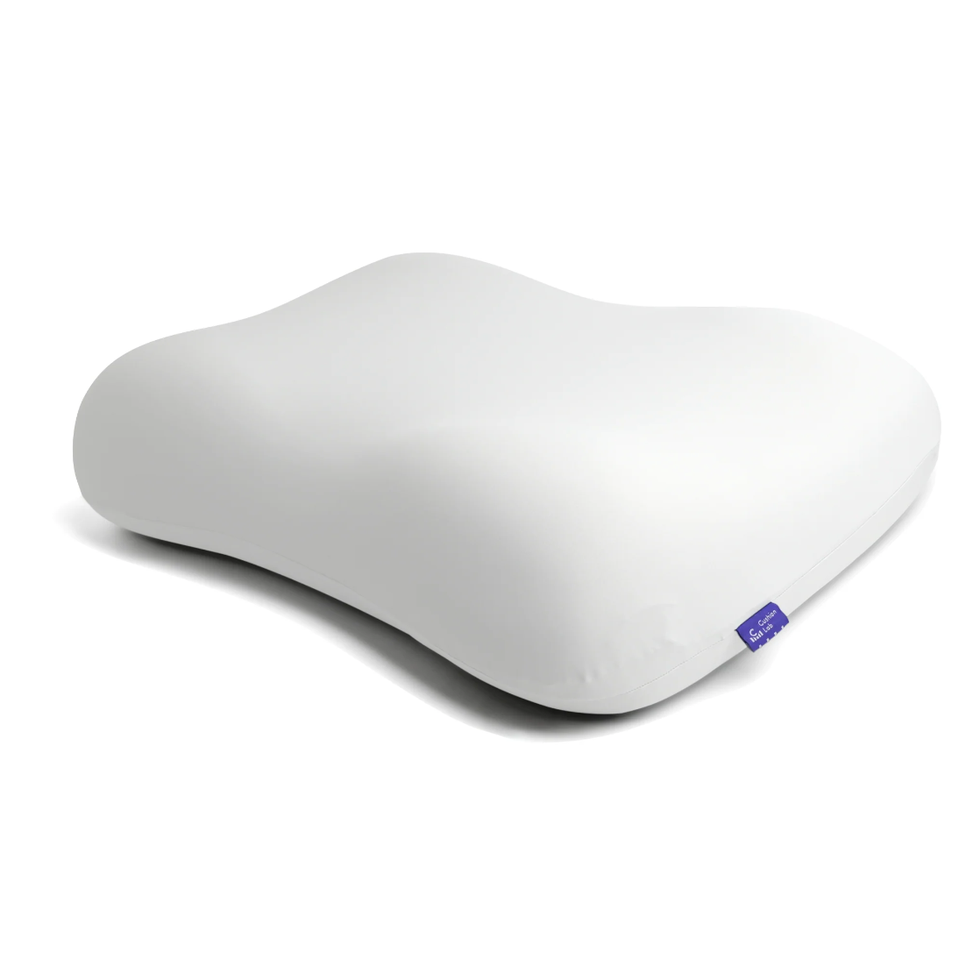
High-End Ergonomics: The Cushion Lab Deep Sleep Pillow
The Deep Sleep Pillow utilizes a dual-density memory foam to provide a "pressure-free" yet ultra-supportive experience. Its unique curved shape is specifically engineered to contour to the head and neck, naturally positioning the sleeper in a way that increases oxygen intake. While it carries a premium price tag—roughly double that of entry-level adjustable pillows—its high-quality foam and long-lasting structural integrity make it a worthwhile investment for those seeking a permanent ergonomic solution.
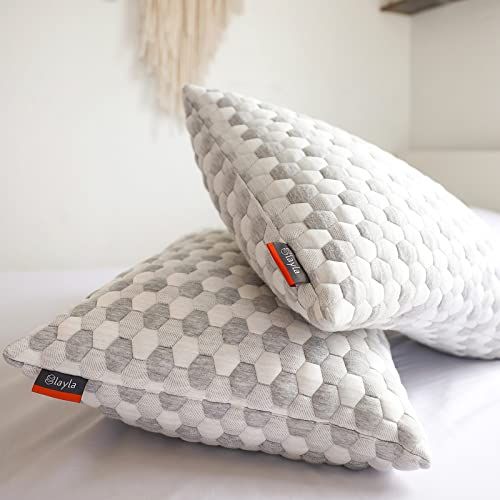
Eco-Friendly Innovation: Layla Sleep Kapok Pillow
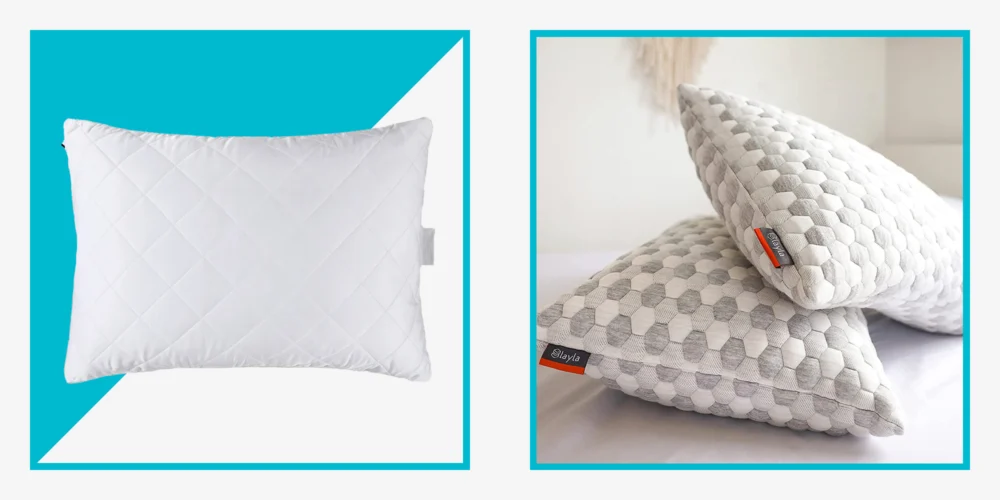
For sleepers who prefer natural materials without sacrificing the benefits of modern foam, the Layla Kapok pillow offers a hybrid approach. It combines shredded reactive memory foam with Kapok fibers—a silky, down-like substance harvested from the seeds of the Kapok tree. With a maximum profile of seven inches, it provides the height necessary for side-sleepers to maintain a clear airway. Its copper-infused cover also provides a secondary benefit: thermal regulation, ensuring the sleeper remains cool, which can prevent the restlessness that leads to back-rolling.
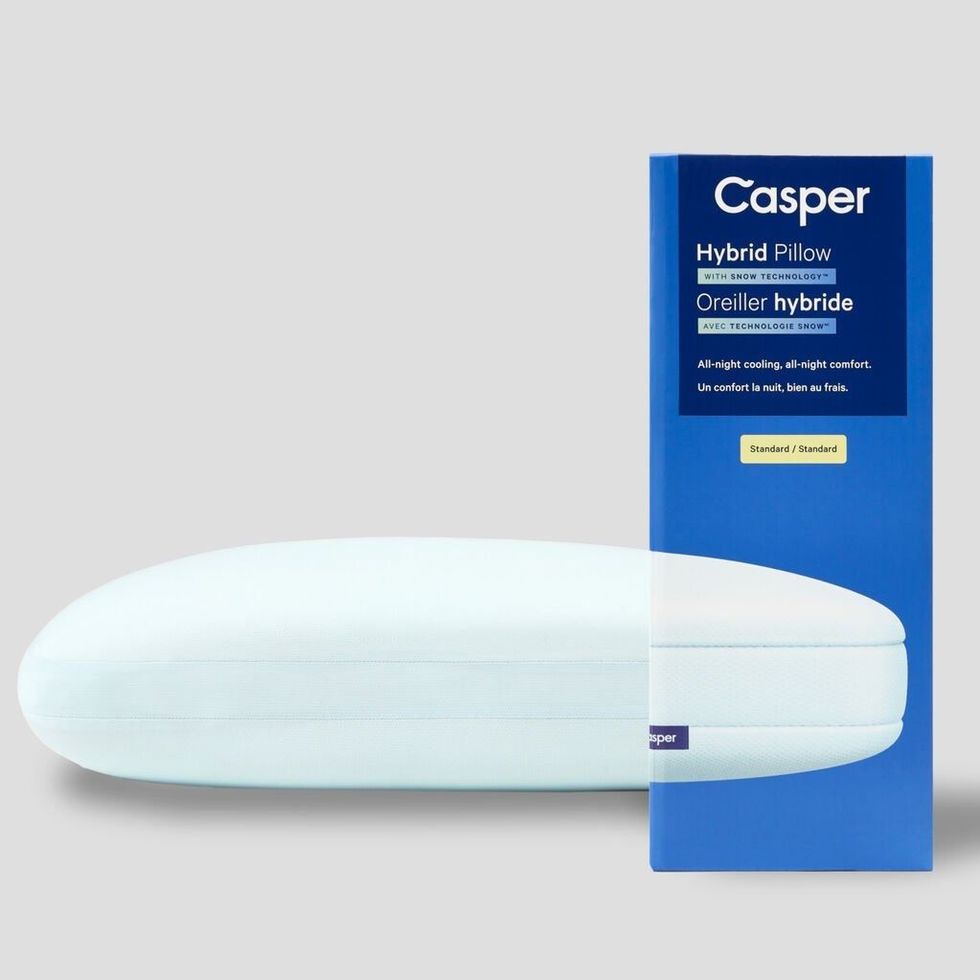
The Cooling Powerhouse: Casper Hybrid Pillow with Snow Technology
Heat retention in pillows can lead to frequent tossing and turning, often resulting in the sleeper landing on their back—the worst position for snoring. Casper’s Hybrid Pillow addresses this with "Snow Technology," a specialized cooling cover and airy foam design. It is notably heavier than standard pillows, a feature that helps "lock" the sleeper into their preferred position, preventing the involuntary shifts that trigger snoring episodes.
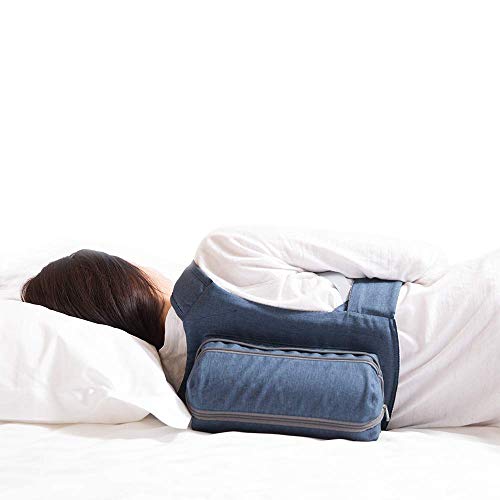
Radical Positional Interventions
For chronic snorers who do not respond to traditional pillows, radical positional therapy may be required. The WoodyKnows Side-Sleeping Backpack is a specialized device worn during sleep. It features an air-filled compartment on the back that makes it physically impossible to roll into a supine position. While less traditional than a pillow, it is an effective tool for "training" the body to remain on its side. For a DIY alternative, some experts suggest sewing a tennis ball into the back of a pajama shirt, though the backpack offers a more refined, adjustable version of this classic remedy.
Organic and Custom Alternatives
The Sustainable Choice: Avocado Green Pillow
Back sleepers who require firm support often find relief with the Avocado Green Pillow. Constructed from GOLS-certified organic latex and organic kapok, it avoids the synthetic "off-gassing" smells associated with some memory foams. It is highly customizable, allowing users to adjust the firmness to ensure the head doesn’t sink too deep, which is a common cause of airway restriction in back sleepers.
The Personalized Path: Pluto Pillow
Recognizing that sleep is not one-size-fits-all, Pluto Pillow utilizes a data-driven approach. By taking a detailed survey regarding body stats and sleep preferences, the company builds a custom pillow starting at approximately $100. For snorers, this allows for the creation of a pillow with a specific density and loft that balances comfort with the necessary neck support to prevent throat collapse.
Traditional Feel: Sijo Eucalyptus Down Alternative Pillow
For those who dislike the "sinking" sensation of foam, the Sijo Eucalyptus pillow provides a traditional plush feel using airblown Tencel fiberfill. It is naturally antibacterial and cooling, making it ideal for those whose snoring might be exacerbated by nasal congestion or allergies.

Expert Insights on Sleep Hygiene
Dr. Raj Dasgupta, an assistant professor of sleep medicine at the University of Southern California, notes that even a slight opening of the airway can have a dramatic effect on snoring. He emphasizes that pillows are highly individualized; what works for a broad-shouldered side sleeper will not work for a petite back sleeper.
In addition to choosing the right pillow, experts like Dr. W. Christopher Winter, a neurologist and sleep specialist, recommend holistic lifestyle changes. Weight management, limiting alcohol consumption before bed (which further relaxes throat muscles), and maintaining proper hydration can all reduce the severity of snoring.

Conclusion: Testing the Results
Because the efficacy of an anti-snoring pillow depends on an individual’s unique anatomy and sleep habits, consumers are encouraged to utilize "sleep trials" offered by many manufacturers. Testing a pillow for 30 to 100 nights is often the only way to determine if a specific loft or material will truly quiet the night. By combining the right structural support with healthy sleep hygiene, most snorers can find a path to quieter, more restorative sleep.
