
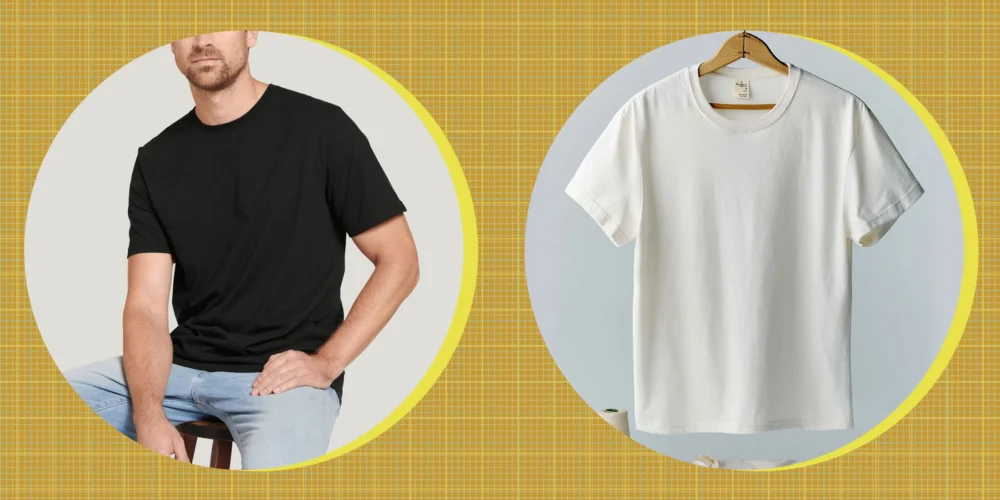
"Investing in American-made basics is more than a patriotic gesture; it is a commitment to superior fabric density, ethical labor practices, and the long-term durability that fast-fashion alternatives consistently fail to provide."

The modern menswear landscape is currently witnessing a significant pivot toward "slow fashion," a movement that prioritizes the quality of construction and the transparency of the supply chain over the rapid turnover of seasonal trends. Central to this shift is the humble t-shirt, an essential wardrobe staple that, when produced domestically, often utilizes higher-grade cotton and specialized knitting techniques that result in a garment capable of withstanding years of wear. By examining the leading American-made options—ranging from heavyweight workwear-inspired jerseys to refined, luxury-grade long sleeves—consumers can better understand the technical nuances that justify a higher price point and support the revival of the American textile industry.
The Engineering of the Heavyweight Tee: Buck Mason and Flint and Tinder
In the realm of domestic apparel, the "weight" of a fabric is measured in GSM (grams per square meter), a metric that serves as a primary indicator of a shirt’s structure and seasonal suitability. Buck Mason’s Field-Spec Cotton Heavy Tee stands at the pinnacle of this category. Produced in Pennsylvania, a state with a deep-rooted history in industrial knitting, this garment utilizes a 310 GSM cotton jersey. To put this in perspective, a standard undershirt typically ranges between 130 and 150 GSM.

The 310 GSM specification provides a substantial, "rugby shirt" heft that offers several functional advantages. First, the thickness ensures the garment retains its shape, resisting the common "clinging" effect seen in lighter fabrics. For those with athletic builds, the structure skims the chest and shoulders without feeling restrictive. Furthermore, the banded neckline is engineered to prevent "bacon-necking"—the unsightly stretching and curling of the collar after multiple wash cycles. This durability makes it a versatile piece that functions effectively as a standalone top or a sturdy mid-layer beneath a shacket or flannel during colder months.
Similarly, Flint and Tinder, operating out of Los Angeles, offers a 215 GSM American Heavyweight Pocket T-Shirt. While lighter than the Buck Mason offering, it still falls firmly within the heavyweight category. The Los Angeles garment district remains one of the few remaining hubs for large-scale domestic textile production, and this shirt benefits from that proximity. The 215 GSM fabric provides a "lived-in" feel through a vintage wash process, softening the cotton-poly blend without compromising its structural integrity. The inclusion of a reinforced chest pocket adds a layer of utilitarian functionality, suitable for stashing small essentials while maintaining a clean, relaxed silhouette.

The Luxury of Combed Cotton: AG Jeans and Todd Shelton
As the price point moves toward the $100 threshold, the focus shifts from sheer weight to the refinement of the fibers themselves. AG Jeans, another Los Angeles-based producer, utilizes soft combed cotton for its Nick Pocket Tee. Combing is a technical process where the cotton fibers are treated before being spun into yarn; shorter, breakable fibers and impurities are removed, leaving only the longest, strongest, and straightest strands.
The result is a 5.9 oz fabric that feels significantly smoother and more luxurious than standard carded cotton. This shirt is designed with a tailored, slim-fit silhouette, making it the ideal candidate for more formal applications, such as layering under a blazer for a business-casual environment. The precision of the cut ensures that the shirt provides definition without the "vacuum-sealed" appearance of cheaper synthetic blends.

In New Jersey, Todd Shelton takes textile engineering a step further with the Refined 160 LS collection. Rather than relying on thick single yarns, the brand employs a technique where two finer, thinner yarns are twisted together. This creates a fabric that is incredibly soft and "buttery" to the touch but possesses surprising durability. At 160 GSM, it is a midweight long-sleeve tee that undergoes a specialized finishing process to remove "pilling"—the tiny balls of fuzz that often accumulate on cotton surfaces over time. The double-stitched banded neckline ensures the garment remains crisp through repeated laundering, offering a polished aesthetic that bridges the gap between casual loungewear and professional attire.
Regional Heritage and the Carolinas: Jockey and American Giant
The Carolinas have historically served as the heart of the American textile industry, and brands like Jockey and American Giant continue to leverage this regional expertise. Jockey’s "Made in America" Heritage Tee represents the most accessible entry point into domestic manufacturing. Produced in North and South Carolina, this 100% cotton shirt features a relaxed fit that prioritizes comfort and breathability.

Unlike the structured, slim-fit options from AG Jeans, the Jockey Heritage tee is designed with extra length, a feature that prevents the shirt from riding up during physical activity or travel. It is a "workhorse" garment, utilizing a lightweight knit that resists wrinkles better than many of its competitors. Despite its lower price point, the fabric maintains enough structure to survive more than six months of regular washing without becoming flimsy or disposable.
American Giant, also utilizing North and South Carolina production lines, addresses a specific niche with its Premium Slub V-Neck Tee. "Slub" cotton refers to a fabric that contains slight knots and knobs, created by twisting the yarn with variable tension. This creates a textured, organic appearance that prevents the white V-neck from looking like a transparent undershirt. The V-neck itself is a technical challenge; American Giant’s version is cut to provide ventilation without a plunging, unprofessional depth. For those who "run warm," the slub texture and open neckline offer superior airflow in high-temperature environments, making it a preferred choice for summer wear.

The Vintage Aesthetic: Imogene + Willie and Alabama Cotton
For many enthusiasts, the appeal of American-made clothing lies in its connection to heritage and the "vintage" look. Imogene + Willie sources its cotton from Alabama, a state with a legendary association with the American cotton trade. Their Cotton Project Tee is a 6 oz garment that emphasizes a boxy, old-school fit.
What distinguishes this shirt is the specific vintage wash applied during production. This process mimics the softening that usually takes decades of wear to achieve, resulting in a shirt that feels like a cherished heirloom from the first day. The sleeves are cut to hit at the mid-bicep, a classic proportion that complements the relaxed drape of the body. While it lacks the formal polish of a Todd Shelton or AG Jeans shirt, its authenticity makes it the gold standard for casual, rugged style, pairing naturally with raw denim and work boots.

The Economic and Ethical Impact of Domestic Production
Beyond the technical specifications of GSM and yarn twisting, the decision to purchase American-made t-shirts has broader implications for the global apparel industry. Domestic manufacturing allows for tighter quality control; designers can often visit the factories in Pennsylvania, Los Angeles, or the Carolinas within a few hours to ensure that production standards are being met. This proximity reduces the carbon footprint associated with international shipping and allows for a more responsive supply chain.
Furthermore, the "Made in USA" label is often a proxy for ethical labor standards. American factories are subject to federal and state labor laws regarding wages, safety, and working conditions, providing a level of assurance that is often absent in the complex, opaque supply chains of overseas "fast fashion" giants. While a $60 to $100 price tag for a t-shirt may initially seem steep, the "cost per wear" often reveals a different story. A domestically produced shirt that maintains its shape, color, and collar integrity for five years is a more sustainable and economical investment than a $15 alternative that requires replacement every six months.

In conclusion, the current variety of American-made t-shirts offers something for every wardrobe requirement. Whether it is the 310 GSM armor of Buck Mason, the refined yarn-work of Todd Shelton, or the breathable slub texture of American Giant, these garments represent a high-water mark for domestic manufacturing. By understanding the materials and the regions behind these products, consumers can make more informed choices that favor quality, longevity, and the continued survival of American craftsmanship.
