
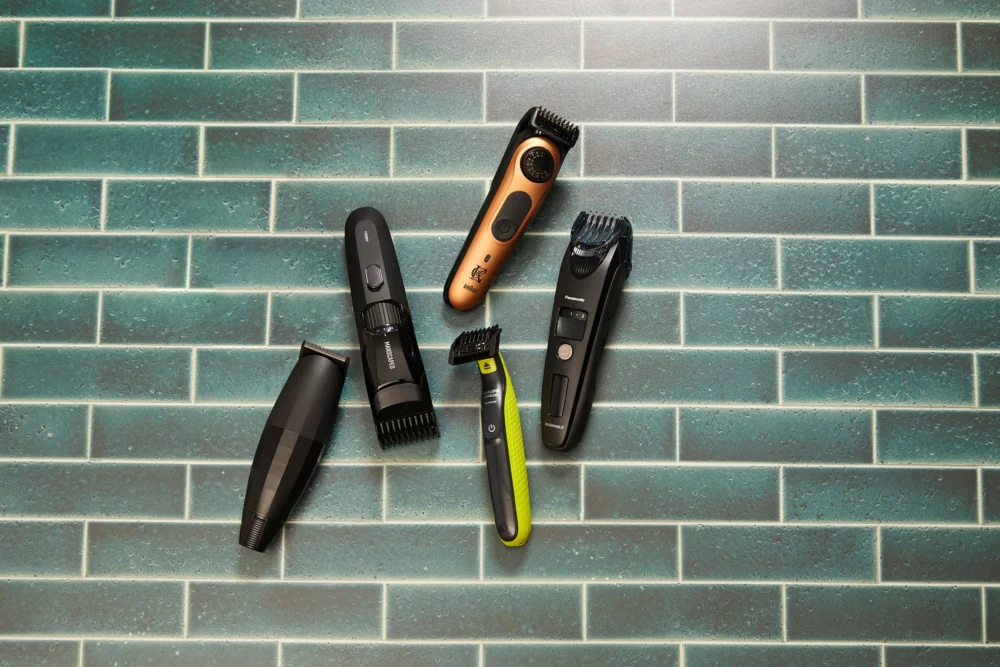
"The modern beard trimmer has transitioned from a simple utility to a sophisticated piece of personal engineering, balancing high-torque motors with versatile ergonomics to meet the diverse demands of the contemporary man."
As men’s grooming habits shift away from the traditional clean-shaven aesthetic toward a more nuanced appreciation for facial hair—ranging from "perma-stubble" to full, sculpted beards—the technology behind the tools has kept pace. No longer relegated to a single-function device, the current generation of beard trimmers incorporates advanced battery chemistry, professional-grade motor speeds, and innovative attachment systems designed to minimize skin irritation while maximizing stylistic control. This evolution reflects a broader trend in the consumer electronics market where professional-grade performance is increasingly being miniaturized and optimized for the home user.

The Rise of the All-in-One Ecosystem
The concept of "versatility" has become the primary driver in the grooming industry. For years, consumers were forced to choose between a dedicated beard trimmer, a body groomer, and hair clippers. Modern flagship models, such as the Braun Series 9 All-in-One, have sought to consolidate these functions into a single chassis. The engineering challenge in creating such a device lies in the varying thickness and density of hair across the human body. Facial hair is significantly coarser than scalp hair, while body hair often requires specialized guards to prevent nicks in sensitive areas.
The Series 9 approach utilizes a wide-ranging attachment ecosystem, featuring up to ten different heads to manage everything from nose hair to a full crew cut. However, this versatility brings about a dialogue regarding hygiene and cross-contamination. Dermatologists and grooming experts often caution against using the same blade for facial and body grooming due to the risk of bacterial transfer. Manufacturers have addressed this by providing distinct, easily swappable attachments, allowing users to maintain a single power unit while isolating the cutting surfaces for different anatomical regions.
Engineering Precision: The Rotary Dial Innovation
One of the most significant shifts in trimmer design is the move away from a "bag of guards" toward integrated adjustment systems. Traditional trimmers required users to manually snap on different plastic combs to achieve varying lengths—a process that was often cumbersome and prone to the loss of individual parts. The introduction of the rotary dial, seen in high-end models like the Men’s Health Grooming Award-winning series and the King C. Gillette Pro, has revolutionized this experience.

These dials allow for micro-adjustments in increments as small as 0.5 mm. For example, the King C. Gillette Pro offers up to 40 different length settings through a combination of two attachments and a precision wheel. This level of granularity is essential for creating "fades" or "tapers" in a beard, where the hair gradually transitions from short at the sideburns to longer at the chin. The mechanical reliability of these dials is paramount; they must lock firmly into place to ensure that the pressure of the trimmer against the face does not inadvertently shift the length setting mid-shave.
Motor Power and Blade Longevity
The "engine" of the trimmer—the motor—is where professional-grade tools separate themselves from budget-tier alternatives. Motor speed is typically measured in cuts per minute (CPM) or revolutions per minute (RPM). High-performance trimmers, such as the Philips Norelco OneBlade, boast up to 12,000 cuts per minute. This high frequency allows the blades to slice through thick, wiry whiskers without "tugging" or "pulling," which is the primary cause of discomfort and skin irritation during grooming.
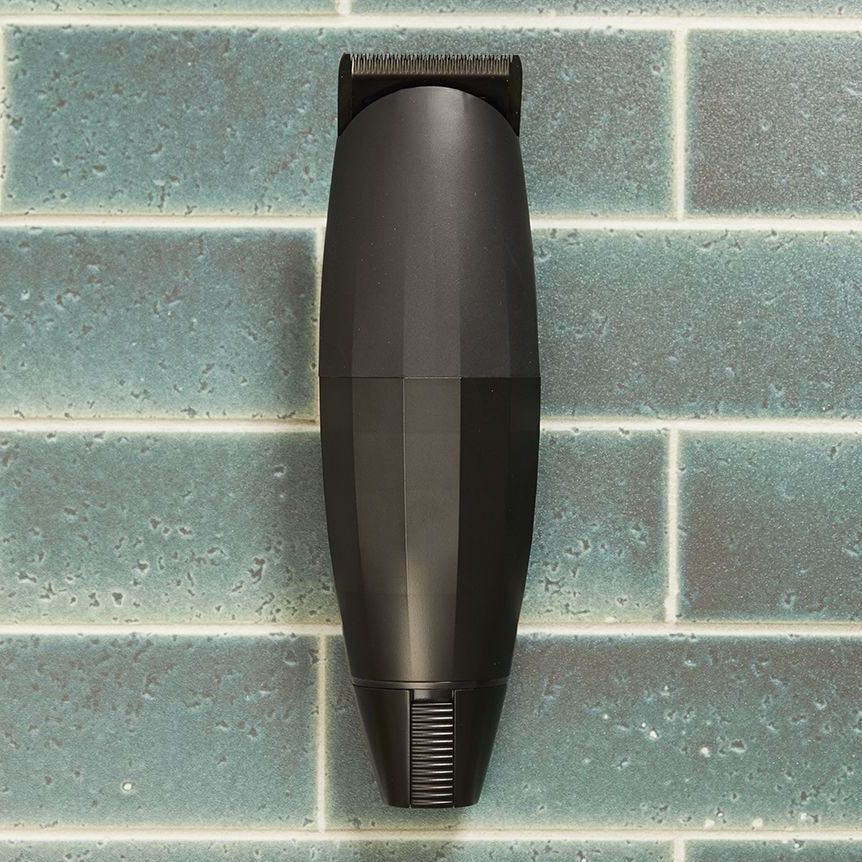
Blade material science has also advanced. While stainless steel remains the industry standard for its rust resistance and sharpness, many premium models now utilize titanium-coated blades or specialized alloys designed to stay sharp for years. Braun, for instance, claims their blades are designed to last a lifetime. In the "prosumer" category, models like the Bevel Beard Trimmer utilize professional barber-quality metal blades that are designed for "line work"—creating the sharp, crisp edges at the neck and cheekbones that define a well-maintained beard.
The Hybrid Revolution: Beyond the Standard Blade
A notable branch of the grooming tree is the hybrid electric shaver-trimmer, epitomized by the OneBlade 360. This technology departs from the traditional "clippership" design in favor of a flat, dual-sided blade that can shave, trim, and edge. The 360-degree head is designed to contort to the various angles of the jawline and neck, moving side-to-side and up-and-down to maintain constant contact with the skin.
This hybrid approach is particularly popular among men who prefer a "heavy stubble" look rather than a perfectly smooth shave. Because these blades do not cut as close to the skin as a traditional safety razor, they significantly reduce the occurrence of ingrown hairs and razor burn. The trade-off, however, is that these ultra-soft, flexible blades are less effective at "plowing" through months of thick beard growth, making them a specialized tool for maintenance rather than a heavy-duty clipper.
Portability and the Modern Traveler
As the workforce becomes increasingly mobile, the demand for travel-friendly grooming tools has surged. This has led to the adoption of universal charging standards, specifically USB-C. For many years, grooming devices used proprietary "bricks" and cords, which were easy to lose and difficult to replace. The transition to USB-C charging, found in modern travel-centric trimmers, allows users to charge their grooming tools with the same cable they use for their laptop or smartphone.

Furthermore, battery chemistry has shifted from Nickel-Metal Hydride (NiMH) to Lithium-ion (Li-ion). This transition has doubled or even tripled the runtime of these devices. While a budget trimmer might offer 45 to 60 minutes of use, high-capacity models like the Bevel can provide over 8 hours of cordless runtime. This longevity is critical for travelers who may not want to carry a charging cable for a week-long trip.
Professional-Grade Detailing for the Home User
There exists a segment of the market dedicated to the "grooming enthusiast"—the man who approaches his beard with the same precision as a professional barber. For this demographic, attachments and guards are often seen as hindrances. Professional-grade tools, like the Bevel or specialized clippers, are often designed to be used "freehand."
These tools are weighted differently, often featuring metal housings that provide a substantial feel in the hand, allowing for better balance and more precise control during "shaping." They are engineered for "line work"—the process of defining the perimeter of the beard. While these devices carry a higher price point, often reaching $150 to $200, they offer a level of durability and motor consistency that plastic, consumer-grade models cannot match. They are often "corded/cordless" hybrids, ensuring they never lose power during a complex grooming session.
Conclusion: Choosing the Right Tool for the Task
The current landscape of men’s grooming tools suggests that there is no "one-size-fits-all" solution, but rather a spectrum of devices tailored to specific needs. The Braun Series 9 represents the pinnacle of the "all-in-one" philosophy, ideal for the man who wants a single, high-quality device for every hair on his body. Conversely, the OneBlade serves the man who prioritizes skin comfort and the stubble aesthetic.
For those on a budget, the King C. Gillette Pro demonstrates that precision—specifically in the form of 40 length settings—is no longer a feature reserved for the elite price brackets. Meanwhile, professional-level tools like the Bevel cater to those who view grooming as an art form requiring the sharpest possible lines.
As battery life continues to extend and motor speeds increase, the boundary between the barbershop and the home bathroom continues to blur. The result is a more empowered consumer who can maintain a professional appearance with a level of convenience and precision that was previously unattainable outside of a professional salon. The future of grooming lies in this intersection of high-end metallurgy, advanced battery science, and user-centric ergonomic design.
