
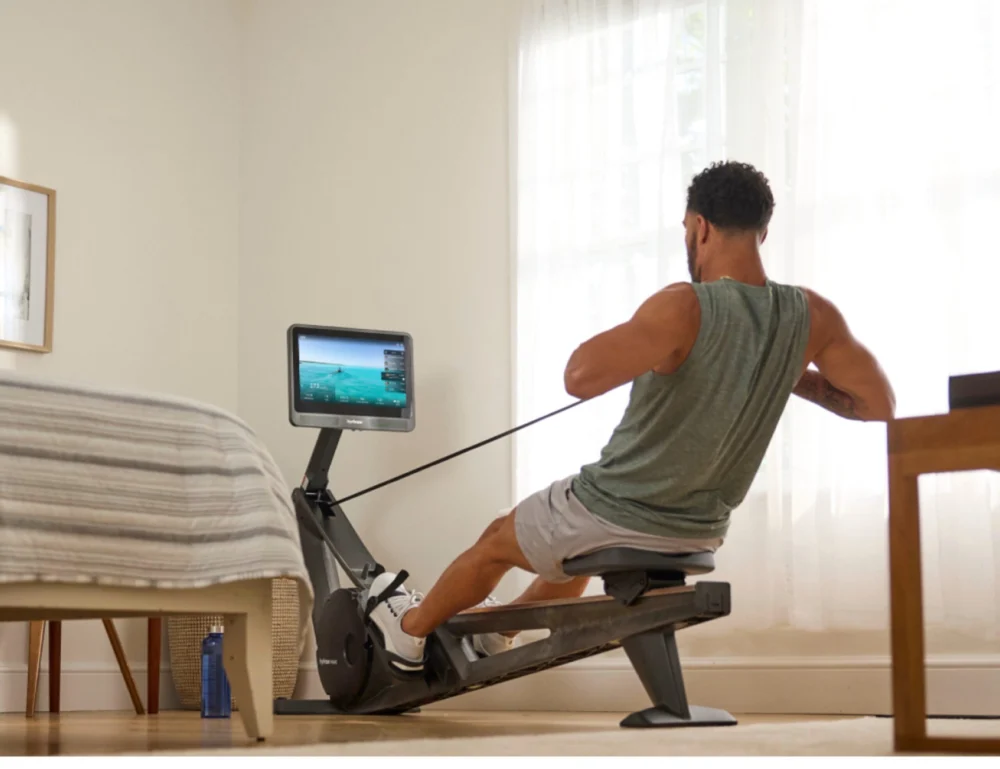
"The modern rowing machine has evolved from a simple mechanical pull to a sophisticated fusion of electromagnetic engineering and digital coaching, allowing for elite-level conditioning within the smallest of living spaces."

Rowing has long been recognized as one of the most efficient full-body workouts available, engaging nearly 86 percent of the body’s musculature while remaining remarkably low-impact on the joints. As the demand for high-performance home gym equipment continues to rise, manufacturers have responded by shrinking the footprint of these machines without compromising their structural integrity or technological capabilities. From the rhythmic swoosh of water-resistance models to the data-driven precision of air-resistance flywheels, the current market offers a diverse array of tools designed to meet the needs of competitive athletes and fitness enthusiasts alike.
The New Standard of Smart Rowing: The Hydrow Wave
The Hydrow Wave represents a significant shift in the design philosophy of connected fitness equipment. As a more streamlined version of the brand’s flagship rower, the Wave is specifically engineered for those who refuse to sacrifice performance for square footage. While many compact rowers feel flimsy during high-intensity intervals, the Wave maintains a level of durability that allows for aggressive sprinting.

The standout feature of the Hydrow Wave is its proprietary electromagnetic drag technology. Unlike traditional magnetic rowers that offer a static level of resistance, the Wave’s system is designed to mimic the dynamic feel of an oar moving through water. This creates a "lifelike" experience that is often missing from digital machines. The interface is centered around a 16-inch HD touchscreen that provides access to a vast library of live and on-demand workouts filmed on iconic waterways around the world. Although it requires a monthly subscription, the immersive nature of the content is designed to solve the primary issue with home cardio: boredom. For storage, the machine utilizes a folding neck and an optional upright kit, making it an ideal choice for urban dwellers in apartments.
The Professional’s Choice: Concept2 RowErg
In the world of competitive fitness, the Concept2 RowErg (formerly known as the Model D) remains the undisputed gold standard. It is the machine found in CrossFit boxes, Olympic training centers, and elite rowing clubs globally. The reason for its dominance is its simplicity and near-indestructible build quality.
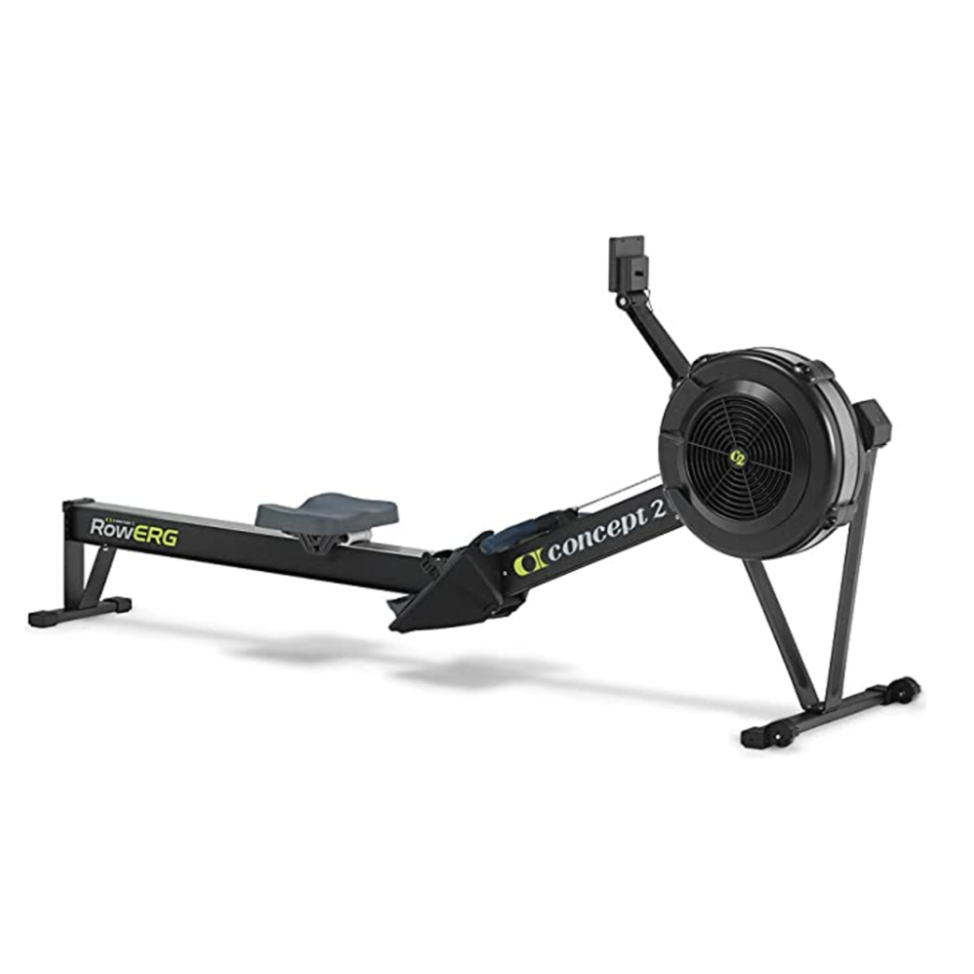
The RowErg utilizes air resistance, featuring a variable resistance flywheel that responds directly to the user’s effort. The harder you pull, the more wind resistance is generated, providing a truly customizable challenge that scales with the athlete’s strength. Its PM5 performance monitor is legendary for its data accuracy, allowing users to compare their times with a global leaderboard. While it does not feature a flashy touchscreen, its ability to separate into two pieces for upright storage makes it surprisingly practical for home use. With a weight capacity of 500 pounds and a frame built to last decades, it offers perhaps the best value-to-performance ratio in the industry.
Immersive Training and Ergonomics: Echelon Row-S
For users who prioritize comfort alongside connectivity, the Echelon Row-S offers a compelling alternative to the more spartan designs of commercial rowers. The Row-S features an ergonomic cushioned seat and oversized, adjustable foot pedals designed to accommodate a wide range of body types.

The machine’s 32 levels of silent magnetic resistance make it one of the quietest options on the market, which is a critical factor for those training in shared households. Echelon has integrated a 22-inch HD touchscreen that swivels, allowing users to transition from rowing to off-machine strength training or yoga classes. This versatility positions the Row-S as a central hub for a home fitness routine rather than just a single-purpose cardio tool. Its foldable design and built-in wheels ensure that despite its large screen, it can be tucked away with minimal effort.
Commercial Durability for the Home: AssaultRower Pro
The AssaultRower Pro is built for one purpose: high-intensity interval training (HIIT). Produced by the same company responsible for the infamous Assault AirBike, this rower is constructed with a solid steel frame and heavy-duty components meant to withstand the most punishing workouts.

Unlike "boutique" rowers that focus on scenic views and soft music, the AssaultRower Pro is a utilitarian beast. It uses a fan-based air resistance system that provides a smooth, consistent feel even during maximum-effort sprints. The console is a simple, sweat-proof LCD that tracks essential metrics without the need for a subscription. For the athlete who wants to "go dark" and focus purely on the physical output, this machine offers a level of stability that few folding rowers can match. When the workout is over, the console folds down, and the entire unit can be stood vertically, occupying less than two square feet of floor space.
The Aesthetic and the Elemental: WaterRower Hybrid BLE
While many rowers look like pieces of gym equipment, the WaterRower Hybrid BLE Oak is designed to look like a piece of furniture. Crafted from sustainably sourced Appalachian Oak, it utilizes a "WaterFlywheel" to provide resistance. This design choice isn’t just aesthetic; the physics of moving water naturally mimics the "rule of cubes," where a doubling of speed requires an eight-fold increase in power.

The result is a smooth, rhythmic stroke accompanied by the soothing sound of rushing water, which many users find more meditative than the mechanical hum of air or magnetic machines. The Hybrid BLE model includes Bluetooth connectivity, allowing users to sync their workout data to various fitness apps, bridging the gap between traditional craftsmanship and modern data tracking. While water rowers require occasional maintenance—such as adding purification tablets to the tank—the sensory experience they provide is often cited as a key factor in long-term workout consistency.
The Peak of Connected Tech: NordicTrack RW900
NordicTrack has long been a leader in the "connected" fitness space, and the RW900 Smart Rower is the pinnacle of their rowing lineup. It features a massive 24-inch touchscreen and is fully integrated with the iFIT ecosystem. The most innovative aspect of the RW900 is its "Automatic Trainer Control," which allows the remote instructor to digitally adjust your resistance in real-time during a class.

This hands-free approach ensures that users are always working at the intended intensity level, removing the guesswork from training. The magnetic resistance system is ultra-quiet, and the inclusion of high-quality speakers and Bluetooth headphone compatibility makes it a premium multimedia experience. The RW900 is also designed for versatility; the screen can tilt and pivot, facilitating iFIT’s extensive library of floor-based workouts. Despite its high-tech features, the machine remains space-conscious, utilizing a "SpaceSaver" design that allows it to fold in half for easy storage.
Accessible Entry to Smart Rowing: ProForm 750R
For those entering the world of rowing who may be intimidated by the $2,000 price tags of flagship models, the ProForm 750R provides a robust entry point. It offers 24 levels of digital resistance and a stable steel rail construction that belies its budget-friendly price.

While the 750R features a smaller, 5-inch multicolor display for basic stats, it includes an integrated tablet holder. This allows users to use their own device to access iFIT or other streaming services, providing the benefits of a connected rower without the cost of a built-in screen. The 750R is backed by a 10-year frame warranty, offering peace of mind for beginners. Its "SpaceSaver" design allows the rower to fold vertically in one easy motion, ensuring that even in small living areas, a lack of space is never an excuse for a lack of fitness.
Conclusion: Selecting the Right Tool for the Stroke
Choosing a rowing machine ultimately depends on the user’s specific goals—whether that is the data-driven precision of the Concept2, the immersive luxury of the NordicTrack and Hydrow, or the rugged simplicity of the AssaultRower. Regardless of the choice, the integration of folding mechanisms and vertical storage solutions has made the "rowing lifestyle" accessible to more people than ever before. By combining full-body engagement with sophisticated tracking and space-saving engineering, these machines represent the current peak of home fitness technology.
