
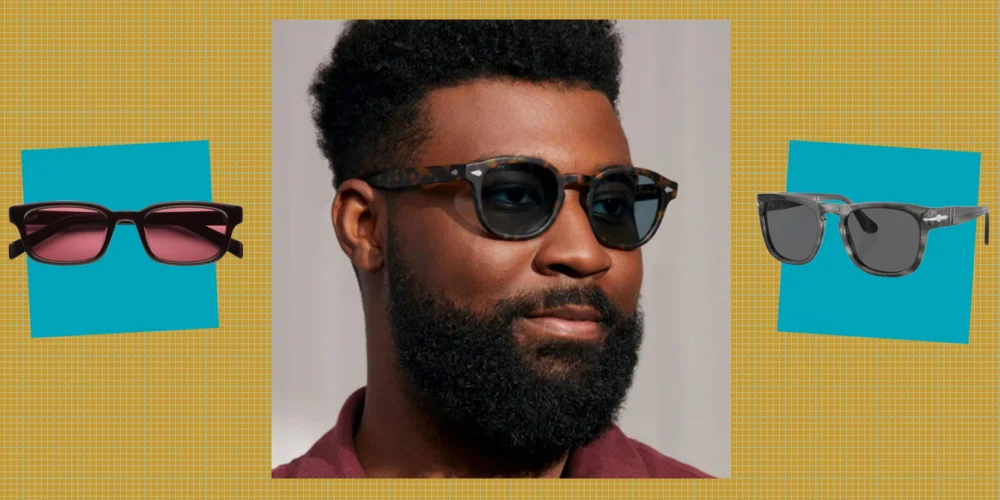
"Choosing the right sunglasses is a strategic investment in both visual health and personal branding, where the intersection of lens precision and frame architecture defines long-term value."

As the transition toward warmer days and longer afternoons begins, the necessity of high-quality eyewear moves from a seasonal afterthought to a primary wardrobe priority. The contemporary eyewear market is a complex landscape, populated by historic heritage labels that have refined their craft over a century and nimble direct-to-consumer upstarts that leverage modern logistics to offer premium aesthetics at accessible price points. Navigating this crowded field requires an understanding of the nuances in lens technology, frame durability, and the specific design languages that differentiate a casual accessory from a lifetime investment.

The Evolution of the Eyewear Market
For the better part of the last century, the sunglasses industry was dominated by a few major players, primarily centered in Italy and the United States. However, the last decade has seen a significant democratization of style. Editorial teams and style experts have spent years rigorously testing frames to identify which brands truly deliver on their promises. This evaluation process involves more than just aesthetic appeal; it encompasses the "feel" of the hinges, the weight distribution of the acetate, and the clarity of the optics under varying light conditions.

Modern consumers are no longer limited to the "big names." While brands like Ray-Ban and Persol remain pillars of the industry due to their historical significance and consistent quality, newer players have carved out niches in performance sportswear and high-fashion "streetwear" aesthetics. The result is a diverse marketplace where a runner, a corporate executive, and a creative professional can all find frames tailored to their specific lifestyle needs.

Understanding Style Categories
Before selecting a brand, it is essential to categorize the intended use of the eyewear. Generally, the market is divided into three distinct stylistic pillars:

Classy and Everyday
These are the foundational pieces of a collection. They include timeless silhouettes such as the Aviator, Wayfarer, and Clubmaster. These frames are designed for versatility, transitioning seamlessly from a tailored suit to a weekend t-shirt. Brands like Oliver Peoples and Moscot excel here, utilizing neutral palettes and classic materials like tortoise-shell acetate and polished metals.

Sport and Performance
Performance eyewear prioritizes utility and biological protection. These frames are engineered for movement, featuring specialized grip materials on the nose pads and temples to ensure they remain secure during high-intensity activities like cycling or running. Polarization is often standard in this category to eliminate glare from asphalt or water. Oakley and Tifosi are the primary innovators in this space, focusing on lightweight, impact-resistant materials.

Modern and Statement
For those who view eyewear as the centerpiece of an outfit, modern brands offer bolder geometries and experimental colors. This category currently favors "chunky" acetates, tinted lenses in non-traditional hues (such as rose or yellow), and angular silhouettes. Brands like Akila and Jimmy Fairly Paris have become leaders by offering these avant-garde designs without compromising the structural integrity of the frames.

The Value Spectrum: What You Are Paying For
Price is often the most significant barrier to entry, but understanding the tiers of the market helps justify the investment.

- Budget-Friendly (Under $100): These brands provide an excellent entry point for trendy styles. While they offer 100% UV protection, the materials are often injected plastics rather than hand-cut acetate, and the hinges may lack the longevity of more expensive counterparts.
- Everyday Quality ($100–$250): This is widely considered the "sweet spot" for the average consumer. At this level, you expect high-grade Mazzucchelli acetate, sturdy five-barrel hinges, and often polarized lenses. These frames are built to last for several years of daily wear.
- Premium Craft ($250–$500): This tier is defined by artisanal production. Frames are often handcrafted in Japan or Italy, featuring premium glass lenses that offer superior scratch resistance and optical clarity. The detailing is intricate, often involving embedded wire cores and hand-polished finishes.
- Luxury Investment ($500+): At the highest level, the cost reflects heritage, rare materials (such as titanium or genuine horn), and exclusive designs. For those who wear sunglasses every day, the "cost per wear" of a $600 pair of glasses can eventually become lower than that of several cheaper pairs that require frequent replacement.
The Pillars of the Industry: Key Brand Profiles
Ray-Ban: The Cultural Standard
Founded in 1937, Ray-Ban is perhaps the most recognizable eyewear brand in history. Originally developed for military pilots (the "Aviator"), the brand transitioned into a civilian icon in the 1950s with the release of the Wayfarer. Ray-Ban’s appeal lies in its "maverick" aesthetic—a blend of rugged utility and effortless cool. Their frames are typically crafted from durable acetate or lightweight metal, offering a reliable middle-ground for those who want a proven look without overthinking the purchase.

Oakley: Engineering for Athletes
Oakley shifted the paradigm of eyewear from a fashion accessory to a piece of athletic equipment. Their proprietary lens technologies, such as Prizm, are designed to enhance color and contrast so athletes can see detail more vividly. Beyond the wrap-around "shield" styles used by professional cyclists, models like the Frogskins have bridged the gap into streetwear, proving that high-performance tech can still look refined in an urban environment.

Warby Parker: The Modern Disrupter
Warby Parker revolutionized the industry by cutting out the middleman and selling directly to consumers. Their minimalist design language and "Home Try-On" program made high-quality eyewear accessible to a generation that found traditional optical shops intimidating. Their frames are characterized by clean lines and classic proportions, making them a go-to for those who prefer a smart, intellectual aesthetic.

Persol: Italian Sophistication
Persol, which translates to "for the sun," represents the pinnacle of Italian craftsmanship. Known for the "Silver Arrow" hinge and the Meflecto system—the world’s first flexible stem—Persol frames are designed to adapt to the wearer’s face for maximum comfort. Their association with icons like Steve McQueen has cemented their status as the choice for the understated gentleman who values history and technical excellence.

Oliver Peoples: The Quiet Luxury
Born in Los Angeles in 1987, Oliver Peoples rejected the loud branding of the 1980s in favor of a "no-logo" philosophy. Their frames are inspired by vintage estate collections and are known for their slim profiles and sophisticated colors. By focusing on the quality of the acetate and the precision of the fit, they have become the preferred brand for those who want their luxury to be felt rather than seen.

Moscot: Five Generations of Heritage
Operating out of the Lower East Side of New York City since 1915, Moscot is a family-run institution. Their "Classics" collection is based on styles from the family archives, offering a look that is authentically vintage. The Lemtosh, their most famous silhouette, has been worn by everyone from artists to world leaders, praised for its balanced proportions and sturdy construction.

Tifosi and Akila: The New Wave
Tifosi has occupied the high-value performance niche, offering shatter-resistant lenses and adjustable frames for a fraction of the price of luxury sport brands. Conversely, Akila represents the modern West Coast aesthetic, using plant-based acetates to create bold, eco-conscious designs that resonate with a contemporary, fashion-forward audience.

Selection and Fit: The Final Step
Regardless of the brand’s prestige, the utility of a pair of sunglasses is ultimately determined by the fit. A proper frame should align with the wearer’s face shape: rounder faces benefit from angular, rectangular frames to add definition, while square faces are softened by round or oval silhouettes. Key metrics to consider include bridge width (to ensure the glasses don’t slide down the nose), temple length (to avoid pinching behind the ears), and lens size (to ensure the eyes are centered).

Investing in quality eyewear is a commitment to both style and ocular health. By choosing brands that prioritize material integrity and optical precision, the modern man ensures that his vision is protected and his aesthetic is refined for years to come.
