
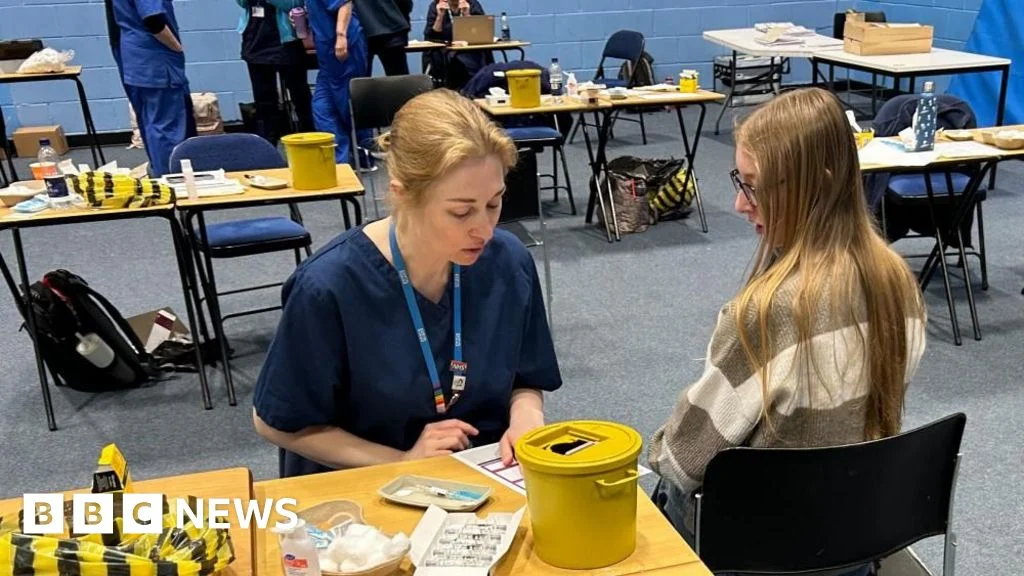
"A critical two-day delay by an NHS trust in reporting a suspected meningitis case to health authorities sparked an outbreak, potentially jeopardizing public safety and hindering timely intervention. This lapse highlights severe deficiencies in adherence to mandatory disease notification protocols, drawing sharp criticism from infectious disease experts."
An alarming lapse in public health protocol has come to light, revealing that an NHS trust waited two crucial days before alerting national health authorities to a suspected case of invasive meningitis. This significant delay, confirmed by the BBC, occurred at the Queen Elizabeth the Queen Mother Hospital in Margate, part of the East Kent Hospitals NHS Trust. The initial patient presented symptoms on a Wednesday evening, but the UK Health Security Agency (UKHSA) was not notified until the afternoon of Friday, March 13. This breach of Health Protection Regulations 2010, which mandate immediate reporting of suspected cases, is now under scrutiny, raising serious questions about the trust’s adherence to infectious disease management and its potential impact on the unfolding outbreak.
The implications of such a delay are profound, particularly for a disease as aggressive and rapidly progressing as invasive meningitis. The two-day gap meant that vital public health measures, such as contact tracing and issuing public health alerts, were significantly postponed. This lost time could have allowed the infection to spread further and prevented individuals from seeking early medical attention, which is critical for survival and minimizing long-term disabilities.
East Kent Hospitals NHS Trust has acknowledged its failure to report the case sooner, attributing the delay to waiting for a formal diagnosis via a confirmed test. Dr. Des Holden, acting chief executive of the trust, stated, "We recognise there was an opportunity prior to diagnosis to notify UKHSA." However, health protection regulations are unequivocal: invasive meningitis is classified as an urgent notifiable disease, requiring immediate reporting upon suspicion, without the need to await laboratory confirmation. This fundamental principle is designed to give public health agencies the earliest possible opportunity to intervene, trace potential contacts, and assess the risk of a wider outbreak.
The consequences of this operational oversight became starkly apparent as the outbreak progressed. Of the 23 suspected and probable cases identified, predominantly among young adults and teenagers, two individuals have tragically died, and four required intensive care treatment as of the most recent reports. Disturbingly, UKHSA figures indicate that ten individuals developed symptoms between the time the first patient was admitted to hospital and the evening of Sunday, March 15, when the UKHSA finally issued its public alert. This means a substantial number of those affected were potentially unaware of an ongoing outbreak, missing the critical window to seek immediate medical help.
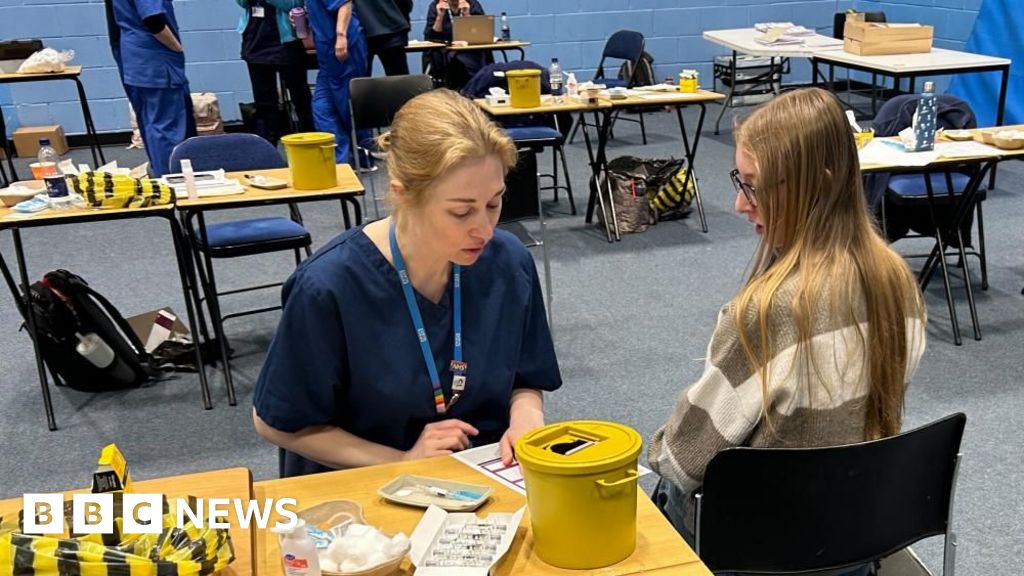
Experts have unequivocally condemned the delay. Professor Paul Hunter, a renowned infectious disease expert at the University of East Anglia, described the delay as "indefensible." He emphasized that the urgency of meningitis demands immediate action. "You don’t wait for a formal diagnosis when it comes to meningitis – you report it straight away so it can be investigated," Prof. Hunter asserted. He elaborated on the dual purpose of rapid reporting: to enable the tracing and preventative treatment of close contacts and to identify any emerging cluster of cases. "You had significant numbers of young people developing symptoms as the days went by, but they were unaware there was an outbreak. If they had known, they may have come forward for treatment sooner."
The rapid onset and devastating potential of meningitis underscore the importance of early diagnosis and treatment. Prompt medical intervention can dramatically increase survival rates and reduce the risk of severe, life-altering complications such as limb loss, blindness, and permanent brain injury. The delay in reporting thus carries a heavy weight of potential missed opportunities to mitigate severe health outcomes for multiple individuals.
While the hospital has not officially confirmed the identity of the initial patient, the BBC understands it was Annabelle Mackay, a 21-year-old University of Kent student. Ms. Mackay, who spoke to the BBC, expressed her surprise that her case was not reported sooner, noting, "It was treated as meningitis as soon as I was taken in. If the report had been made earlier, other people could have been warned to look out for symptoms." Her personal account highlights the direct human impact of administrative delays on patient care and broader public health.
The UKHSA itself acknowledged the missed opportunity to report the first case sooner and also raised concerns about the timeliness of East Kent’s reporting of subsequent cases. The agency stated it was only notified of further suspected meningitis patients by the trust on Saturday evening, despite more individuals presenting with symptoms at East Kent services on Friday. The UKHSA indicated that the full impact of these cumulative reporting delays on identifying a cluster of cases remains unclear.
Had the initial case been reported promptly, the UKHSA would have launched an immediate investigation, including administering prophylactic antibiotics to close contacts of the patient to prevent further transmission. While the agency stated there were no confirmed cases directly linked to this individual so far, the overall delay undoubtedly hampered the initial public health response. It was only once a pattern of seriously ill individuals emerged that a "large-scale public health response" was triggered. This comprehensive response included internal health service communications disseminated across Kent and Medway on Sunday morning, alerting NHS 111, local A&Es, and general practitioners to be vigilant for suspected meningitis cases.
This incident serves as a stark reminder of the critical importance of robust disease surveillance systems and strict adherence to mandatory reporting protocols within healthcare institutions. The integrity of these systems is paramount in containing infectious disease outbreaks, protecting public health, and ensuring timely, life-saving interventions. The case highlights the need for continuous training and clear communication within NHS trusts regarding notifiable diseases, ensuring that all clinical staff understand their responsibilities and the immediate actions required to safeguard the wider community. Moving forward, a thorough review of the incident by East Kent Hospitals NHS Trust and health authorities will be essential to identify systemic weaknesses and implement corrective measures to prevent similar delays from jeopardizing public health in the future. The public’s trust in these systems hinges on their ability to act swiftly and decisively in the face of serious health threats.
