
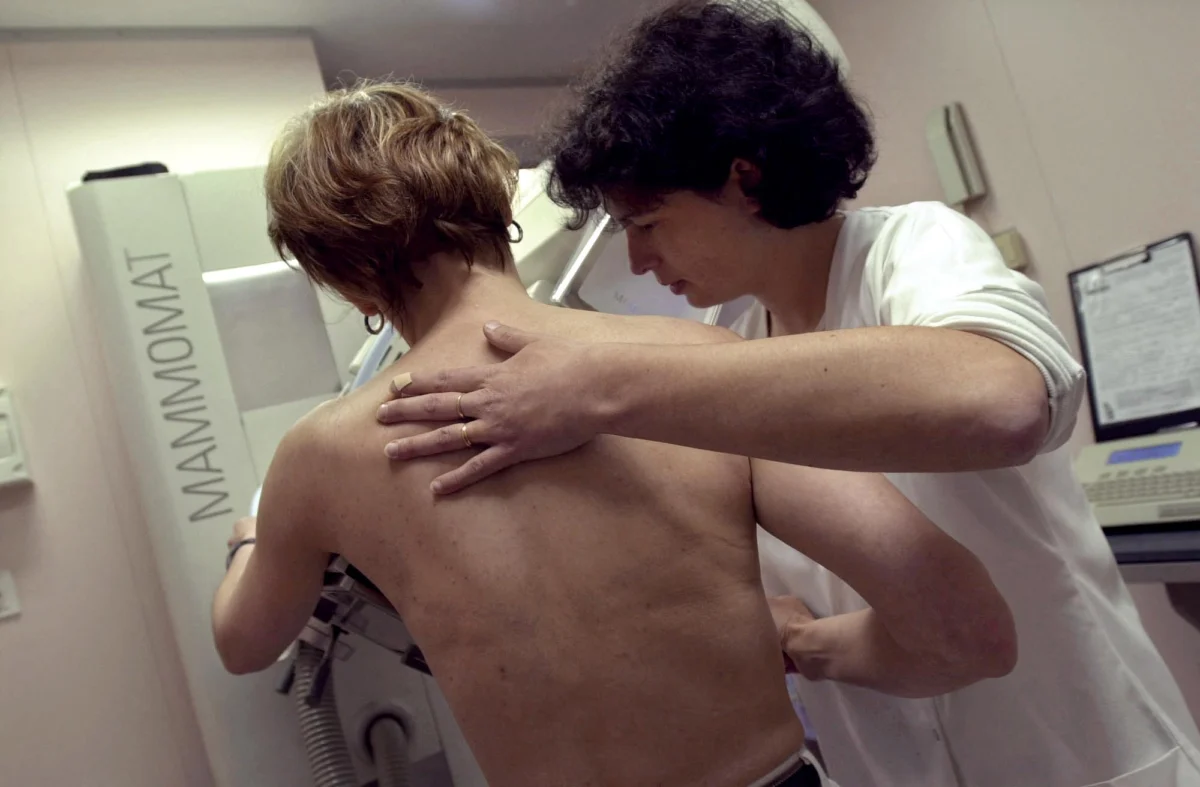
"The dramatic 50% surge in breast cancer rates among Asian American, Native Hawaiian, and Pacific Islander women under 50 since 2000, now matching white women as the highest incidence group, demands urgent attention to screening disparities and the complex interplay of modern lifestyle factors."
A stark shift in breast cancer incidence has occurred over the past two decades, revealing a concerning trend among younger Asian American, Native Hawaiian, and Pacific Islander (AANHPI) women. In 2000, this demographic group had the second-lowest breast cancer rates in the United States. However, by 2021, their rates had climbed to the highest, equaling those of white women, with approximately 86 cases per 100,000 individuals under the age of 50. This significant 50% increase, documented in the American Cancer Society’s Cancer Statistics 2026 report and corroborated by a comprehensive peer-reviewed study analyzing data from over 148,000 AANHPI women diagnosed between 2000 and 2022, raises critical questions about the underlying causes and necessitates a re-evaluation of screening strategies and awareness campaigns. The imperative now is to not only understand these numbers but to decipher the reasons behind such a dramatic change and to guide AANHPI women and their healthcare providers on necessary adjustments in care.
Why This Matters: Disparities Within a Demographic and Clinical Implications
The alarming 50% increase in breast cancer incidence among AANHPI women under 50 is not a monolithic trend. A detailed analysis from the 2026 Medscape study highlights significant variations within this broad demographic. For instance, Chinese women under 50 experienced some of the most substantial annual percentage increases, rising by 4.5% per year between 2017 and 2022. Rates also varied considerably across subgroups such as Laotian/Kampuchean, Japanese, and Native Hawaiian women. This underscores the critical point that aggregated "Asian American" statistics can mask far more profound and specific trends within distinct communities. Consequently, general AAPI community awareness initiatives may prove insufficient without tailored guidance for each subgroup.
This trend carries significant weight for clinical practice. Data consistently shows that AANHPI women are less likely than other racial and ethnic groups to be up-to-date with recommended annual breast cancer screenings. Compounding this, the median age of breast cancer diagnosis for AANHPI women is 58, which is younger than that for Black, American Indian/Alaska Native, and white women. Moreover, this trend is moving towards an even younger age of diagnosis. Early detection, particularly at localized stages of the disease, is a crucial determinant of improved survival rates. Therefore, addressing screening disparities and encouraging earlier, more frequent screening for AANHPI women is paramount.
What the Data Reveals: Key Findings from Recent Reports
The recent influx of data from the American Cancer Society’s Cancer Statistics 2026 report, the Breast Cancer Research Foundation’s AAPI data summary, and the 2026 Medscape epidemiological study provides a clearer, albeit concerning, picture of breast cancer incidence among AANHPI women. While detailed statistical breakdowns are still emerging and are subject to further refinement as more granular data becomes available, several key trends are evident. These reports collectively indicate a growing burden of breast cancer, particularly in younger age groups within the AANHPI population, necessitating a proactive approach to prevention and early detection.
Geographic Concentration of Risk
The incidence of breast cancer among AANHPI women is not uniformly distributed across the United States but tends to be highest in metropolitan areas with substantial AANHPI populations. This geographic correlation suggests that factors prevalent in these urban environments, potentially related to lifestyle, environmental exposures, or access to specific types of healthcare, may play a role in the observed trends.
The experience of Chien-Chi Huang, a patient advocate diagnosed with triple-negative breast cancer at age 40, as shared in an interview with NBC News, powerfully illustrates the cultural barriers that can impede early detection. Huang stated, "As Asian Americans, we don’t have a prevention mindset and tend to only go to hospital when we’re sick." She further recounted a personal experience where a mammogram missed her tumor due to dense breast tissue, and it was only when she felt a lump that she was diagnosed with an aggressive form of the disease. This narrative highlights the critical need to shift cultural perceptions towards proactive health management and to address challenges related to screening modalities like mammography in the context of dense breast tissue.
Expert Perspectives on Contributing Factors
Healthcare professionals are increasingly vocal about the alarming rise in breast cancer diagnoses among younger women, including those in the AANHPI demographic. Dr. Helen Chew, director of the clinical breast cancer program at UC Davis Health, expressed concern, stating, "Breast cancer is still more common the older we get, but it’s alarming to see younger women being diagnosed."
Independent experts are identifying several specific drivers contributing to this trend. These are believed to be a complex interplay of biological, behavioral, and socio-cultural factors that have evolved over recent decades:
- Westernization of Diet and Lifestyle: As AANHPI communities increasingly adopt Western dietary patterns, characterized by higher intake of processed foods, red meat, and unhealthy fats, and a decrease in traditional plant-based diets, metabolic changes can occur that may influence cancer risk. Similarly, a more sedentary lifestyle, often associated with urbanization and technological advancements, contributes to increased rates of obesity and hormonal imbalances.
- Reproductive and Hormonal Changes: Shifts in reproductive patterns, such as delayed childbearing, fewer pregnancies, and reduced breastfeeding duration, are recognized as significant risk factors for breast cancer. These changes can lead to prolonged exposure to estrogen, a hormone that can stimulate breast cell growth.
- Increased Prevalence of Dense Breast Tissue: The prevalence of dense breast tissue, which can make mammograms less effective at detecting tumors and is an independent risk factor for breast cancer, appears to be higher in some AANHPI subgroups. This necessitates the consideration of supplemental screening methods.
- Environmental and Lifestyle Factors: While specific environmental carcinogens are still under investigation, broader lifestyle changes associated with modernization, including increased exposure to endocrine disruptors and altered sleep patterns, may also play a role.
Dr. Sonya Reid, a breast medical oncologist at Vanderbilt University Medical Center, emphasized the broad impact of these trends, noting, "That is very alarming because we know that screening only starts at age 40. It’s not just one racial or ethnic group affected – we are seeing it across the board, so it’s hard to link it to ancestral or genetic factors alone." This suggests that the observed increase is likely multifactorial, driven by a convergence of lifestyle, environmental, and potentially genetic predispositions that are being amplified by contemporary living conditions.
Evidence and Unanswered Questions
A comprehensive review of available evidence, including the aforementioned reports, highlights several key points and areas where further research is needed.
What the Evidence Shows:
- Rising Incidence in Younger AANHPI Women: The most compelling evidence points to a significant and accelerating increase in breast cancer diagnoses among AANHPI women under the age of 50.
- Disparities in Screening: AANHPI women are less likely to adhere to recommended screening guidelines, contributing to later-stage diagnoses.
- Subgroup Variations: Breast cancer trends are not uniform across all AANHPI communities, indicating the need for targeted research and interventions.
- Impact of Lifestyle Factors: Modernization, dietary shifts, and changes in reproductive patterns are strongly implicated as contributing factors.
What the Evidence Does Not Yet Fully Explain:
- Specific Genetic Predispositions: While genetic factors can play a role, the rapid rise suggests that lifestyle and environmental influences are significant drivers, potentially interacting with genetic susceptibilities in novel ways.
- Precise Environmental Triggers: Identifying specific environmental exposures that may be contributing to the increased risk requires more granular epidemiological studies.
- The Exact Contribution of Dense Breast Tissue: While recognized as a risk factor and a challenge for mammography, the specific prevalence and impact of dense breast tissue across all AANHPI subgroups need further detailed investigation.
- The Role of the Microbiome: Emerging research into the gut microbiome’s influence on cancer development may offer future insights into these trends.
Identifying Those at Greatest Risk
While the overall trend is concerning for the entire AANHPI population under 50, certain characteristics place individuals at an elevated risk. These include:
- Family History of Breast Cancer: A strong family history, particularly among first-degree relatives (mother, sister, daughter), significantly increases risk.
- Dense Breast Tissue: As noted, women with dense breast tissue have a higher risk of developing breast cancer and may require supplemental screening.
- Personal History of Other Cancers: A prior diagnosis of certain other cancers, such as ovarian or thyroid cancer, may be associated with an increased risk of breast cancer.
- Certain Genetic Mutations: While not solely responsible for the current surge, inherited mutations in genes like BRCA1 and BRCA2 are associated with a significantly elevated lifetime risk of breast cancer.
- Lifestyle Factors: Individuals who have adopted Westernized diets, maintain a sedentary lifestyle, have a history of late first pregnancy or no pregnancies, and have never breastfed may be at increased risk.
Recognizing Symptoms and Warning Signs
It is crucial for all women, and particularly those in the AANHPI demographic, to be vigilant about the signs and symptoms of breast cancer and to seek medical attention promptly if any are observed. Do not wait for a scheduled mammogram if you experience any of the following:
- A Lump or Thickening: A new lump or mass in the breast or underarm area.
- Changes in Size or Shape: A noticeable change in the size or shape of the breast.
- Skin Changes: Dimpling, puckering, redness, or scaling of the breast skin.
- Nipple Changes: Inversion of the nipple (turning inward), discharge (other than breast milk), or redness and scaling of the nipple.
- Pain: Persistent breast pain, though pain is less common as an early symptom.
Promptly contacting a physician for an expedited evaluation is essential if any of these symptoms are detected.
Proactive Steps for Individuals
Given the evolving landscape of breast cancer risk, individuals can take several proactive steps to safeguard their health:
- Begin Mammography at Age 40: Following updated guidelines, all women should commence annual mammograms at age 40, regardless of race or ethnicity, to facilitate early detection.
- Discuss Dense Breast Tissue: Inquire with your healthcare provider about breast density and whether supplemental screening methods, such as ultrasound or MRI, are recommended for you.
- Share Family History: Provide your physician with a comprehensive family history of cancer, including breast, ovarian, prostate, and pancreatic cancers, as this information is vital for risk assessment.
- Promote Community Awareness: Engage in open conversations within your community about breast cancer screening and prevention, challenging cultural norms that may discourage discussing health concerns.
- Adopt a Healthy Lifestyle: Maintain a balanced diet rich in fruits, vegetables, and whole grains, engage in regular physical activity, limit alcohol consumption, and maintain a healthy weight.
- Understand Reproductive Health: Discuss with your doctor the implications of reproductive choices on breast cancer risk, including options for risk reduction if applicable.
Navigating Cost and Access to Screening
Access to timely and affordable breast cancer screening is a critical component of early detection. Fortunately, under the Affordable Care Act (ACA), annual mammograms are covered at no out-of-pocket cost for most women with private insurance and Medicaid plans aged 40 and older. For uninsured women or those whose insurance may not cover supplemental imaging, the National Breast and Cervical Cancer Early Detection Program (NBCCEDP) offers free or low-cost screening services in every state. Interested individuals can contact the CDC’s cancer screening resources to locate a provider in their area.
The Path Forward: Continued Research and Refined Guidelines
The ongoing tracking of AANHPI-specific breast cancer trends by the American Cancer Society will provide crucial updates in future reports, such as the Cancer Statistics 2027 edition. Researchers are actively expanding subgroup-specific studies to better delineate risk factors across diverse AANHPI communities, including Chinese, Korean, Vietnamese, South Asian, Native Hawaiian, and other groups. The insights gained from these granular investigations will be instrumental in informing the development of more precise and effective screening guidelines in the coming years.
Conclusion: A Call to Action for Early Detection and Awareness
The contemporary reality is that Asian American and Pacific Islander women under the age of 50 now face breast cancer incidence rates equivalent to those of white women, marking the highest rates across all racial groups. This alarming surge, a 50% increase since 2000, is attributed to a confluence of evolving biological and behavioral factors, including increased westernization of lifestyle, delayed childbearing, higher prevalence of dense breast tissue, and subgroup-specific genetic predispositions. The practical implications for public health are clear: initiating mammography at age 40, proactively discussing breast density with healthcare providers, diligently sharing family history, and fostering community dialogues that override traditional reticence around discussing illness are essential steps. This multi-faceted approach is vital to mitigate the growing breast cancer burden within these communities and to improve outcomes through timely detection and intervention.
