
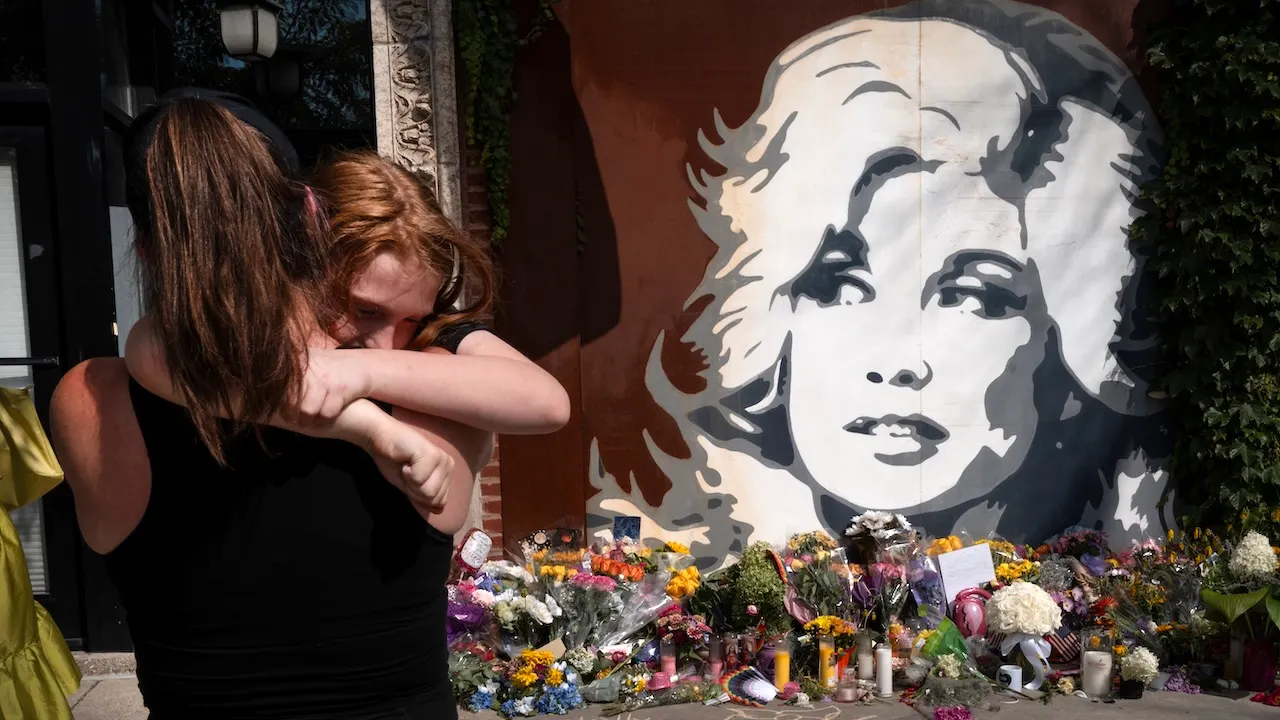
"Grief for a public figure is not a sign of emotional fragility, but a testament to the powerful neural and emotional pathways that allow icons to become woven into the fabric of our personal histories and identities."
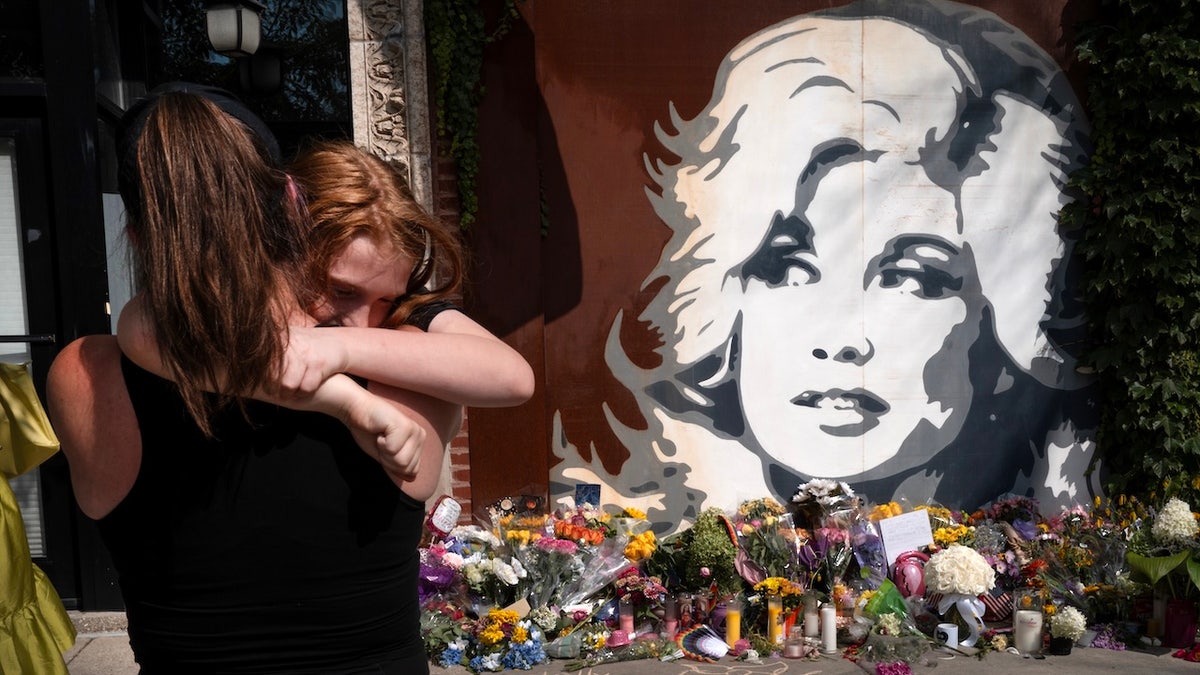
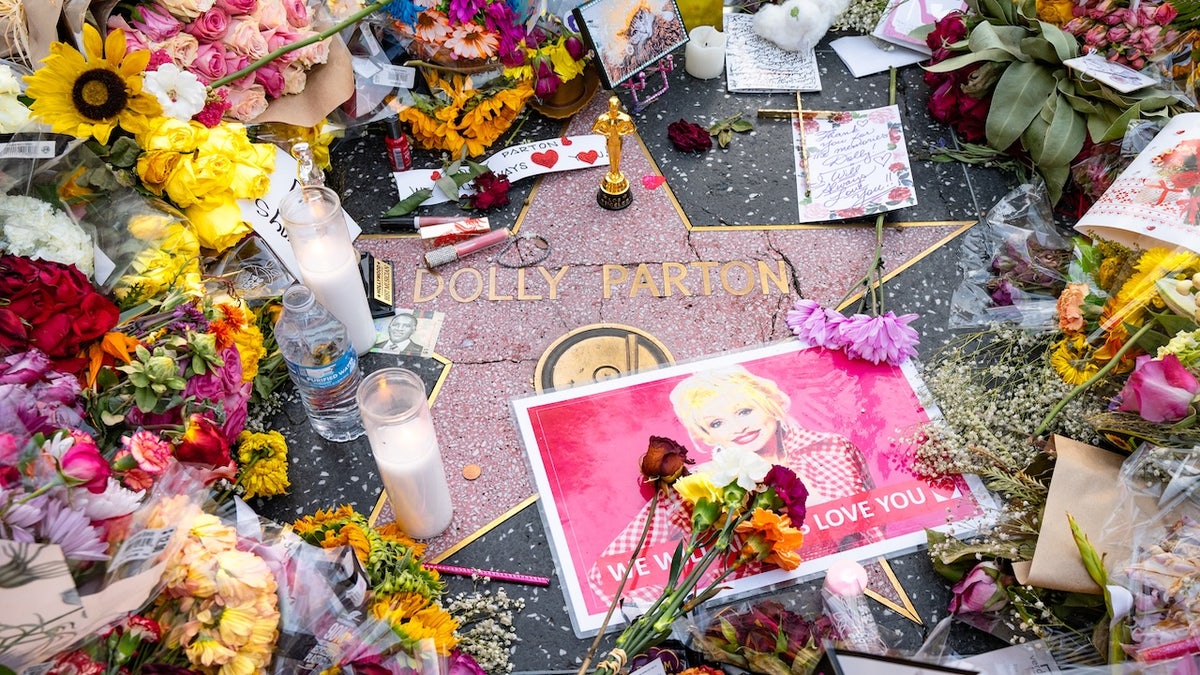
The global outpouring of emotion following the death of Dolly Parton at age 80 has transcended the typical mourning associated with celebrity passing, sparking a widespread psychological phenomenon known as parasocial grief. As fans congregate at murals in Chicago and the Walk of Fame in Hollywood, mental health professionals are highlighting how the loss of an icon who represented resilience, authenticity, and "unconditional kindness" can trigger emotional responses identical to those felt during the loss of a close friend or family member.
The Anatomy of Parasocial Grief
The term "parasocial interaction" was first coined by sociologists in the 1950s to describe the one-sided relationships television viewers developed with performers. However, in the 21st century, these bonds have deepened through constant digital access and the vulnerability shared by public figures. When a celebrity like Dolly Parton shares her childhood hardships, her victories over poverty, and her private health struggles, she provides the "building blocks" of intimacy.
Dr. Dara Houp, a licensed clinical psychologist at Pathways Psychological Services in New York City, explains that the human brain does not always distinguish between a physical relationship and a deeply felt emotional connection to a public figure. "When a celebrity shares their personal life—childhood experiences, hardships, and victories—our brains register these bits of information through the same emotional and neural pathways utilized for our real-life friendships," Houp says. This means that for many, the news of Parton’s passing was not merely a headline, but a disruption of a genuine attachment that had been nurtured over decades.
A Legacy of Resilience and Authenticity
Dolly Parton’s unique position in the cultural zeitgeist amplified this sense of connection. Unlike many celebrities who maintain a distance of curated perfection, Parton’s brand was built on "bold self-expression" and a rare, grounded authenticity. To her fans, she was more than a singer; she was a symbol of the "goodness" people strive for in themselves.
In the wake of her death, social media platforms and grief support groups have been flooded with testimonials from individuals who feel an inexplicable weight of sadness. One user on Reddit described the feeling as "post-Parton depression," a play on words that masks a very real sense of desolation. This reaction stems from the fact that Parton was a constant presence throughout multiple generations. For a child of the 1970s, she was the voice on the radio during family road trips; for a millennial, she was the philanthropist who sent them books every month through her Imagination Library; for others, she was the "ray of sunshine" in an increasingly polarized world.
The Concept of Collective Grief
Beyond individual parasocial bonds, the world is currently experiencing "collective grief." Desiree Taranto, a licensed mental health counselor and clinical director at Empower Your Mind Therapy, notes that collective grief occurs when a loss resonates across an entire community or nation. This shared emotional response provides a sense of solidarity but also intensifies the individual experience of loss.
"Parton’s music, movies, philanthropy, and public persona became part of many people’s family traditions, memories, and difficult life moments," Taranto explains. Because her work was often the soundtrack to major life milestones—weddings, breakups, or even the mourning of other loved ones—her death represents the closing of a chapter in the fans’ own lives. When an icon dies, a piece of the fan’s personal history often feels as though it has died along with them.
Why the Brain Mourns a Stranger
The intensity of this grief is often met with self-judgment. Many mourners feel embarrassed to be crying over someone they never met. However, neuroscience suggests that the intensity of grief is determined by "perceived relational intimacy" rather than physical proximity. If a person felt that Parton’s lyrics spoke directly to their soul during a period of depression, the brain categorizes her as a "safe" and "intimate" figure.
Furthermore, Parton’s death was preceded by a private battle with cancer, a detail that has added a layer of somber reflection for many. The choice to keep a diagnosis private is a common one among high-profile figures, and in Parton’s case, it highlights her desire to remain a source of joy for her fans until the very end. This altruism only strengthens the bond fans feel, as they perceive her final years as an act of service to her audience’s morale.
Navigating the "Post-Parton" Landscape
Grief experts emphasize that the first step in healing is the validation of these feelings. Disenfranchised grief—grief that is not openly acknowledged or socially validated—can be particularly difficult to process. If a person feels they "shouldn’t" be sad, they may suppress their emotions, leading to prolonged distress.
Taranto offers several strategies for those struggling with the loss:
- Radical Acceptance: Acknowledge that the grief is real. Do not judge the tears shed for a woman who was a "light" in your life.
- Shared Commemoration: Engaging with others who feel the same way—whether through online forums, visiting murals, or attending tribute concerts—can help process the loss. Collective mourning reminds individuals that they are not alone in their sadness.
- Creative Expression: Listening to her music, watching her films, or journaling about what her values meant to you can provide a healthy outlet for the "deep sadness" many are reporting.
- Legacy Living: Many fans find comfort in adopting the values of the deceased. In Parton’s case, this might mean engaging in acts of kindness or supporting literacy and cancer research, turning the grief into a proactive force for good.
The Enduring Light
As fans continue to leave flowers and notes at the Music City Walk of Fame in Nashville and her star on the Hollywood Walk of Fame, the narrative is shifting from the shock of loss to the celebration of a life well-lived. Parton’s death at 80 marks the end of an era, but the psychological structures she helped build in her fans—resilience, authenticity, and kindness—remain.
The "deep sadness" described by fans in support groups is a reflection of the "unconditional kindness" Parton projected. As one fan poignantly stated, "She is exactly who Jesus wanted us to be." This sentiment captures why the loss feels so personal: it is not just the loss of a singer, but the loss of a moral compass for many.
Ultimately, the science of parasocial grief teaches us that our capacity to love and mourn people we have never met is one of the most profound aspects of the human experience. It demonstrates our ability to find connection in art and to be moved by the character of a person across vast distances. While the world mourns the "ray of sunshine" that was Dolly Parton, the very fact that her death hurts so much is proof of the incredible impact one individual can have on the collective human spirit. By accepting this grief, fans honor not just the star, but the genuine human connection she spent eight decades cultivating.
