
"Parasocial grief is a testament to how public figures weave themselves into the fabric of our personal histories, creating emotional bonds that the brain registers as genuine friendship."
The passing of Dolly Parton at the age of 80 has triggered a global wave of sorrow that transcends the typical reaction to a celebrity death, revealing the profound depth of the emotional attachments fans form with icons. This phenomenon, categorized by psychologists as parasocial grief, occurs when the loss of a public figure resonates with the same intensity as the death of a close friend or family member because the individual’s work, values, and persona have become inextricably linked to the mourner’s own life milestones and identity.
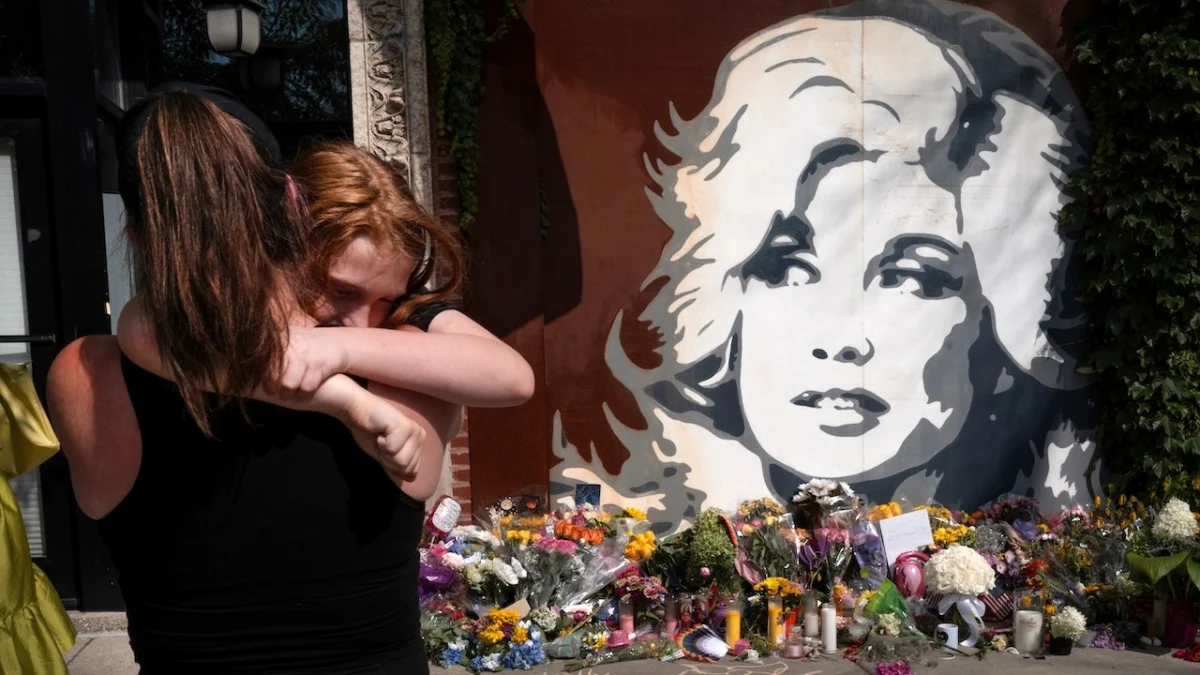
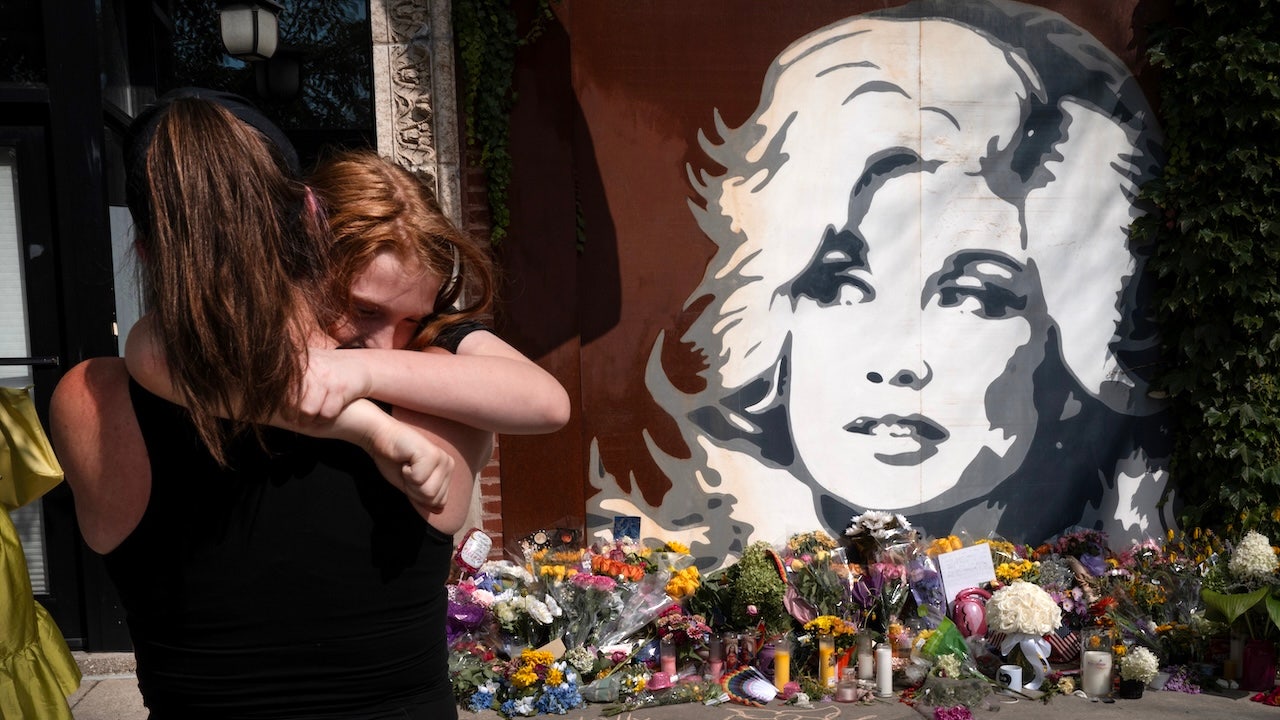
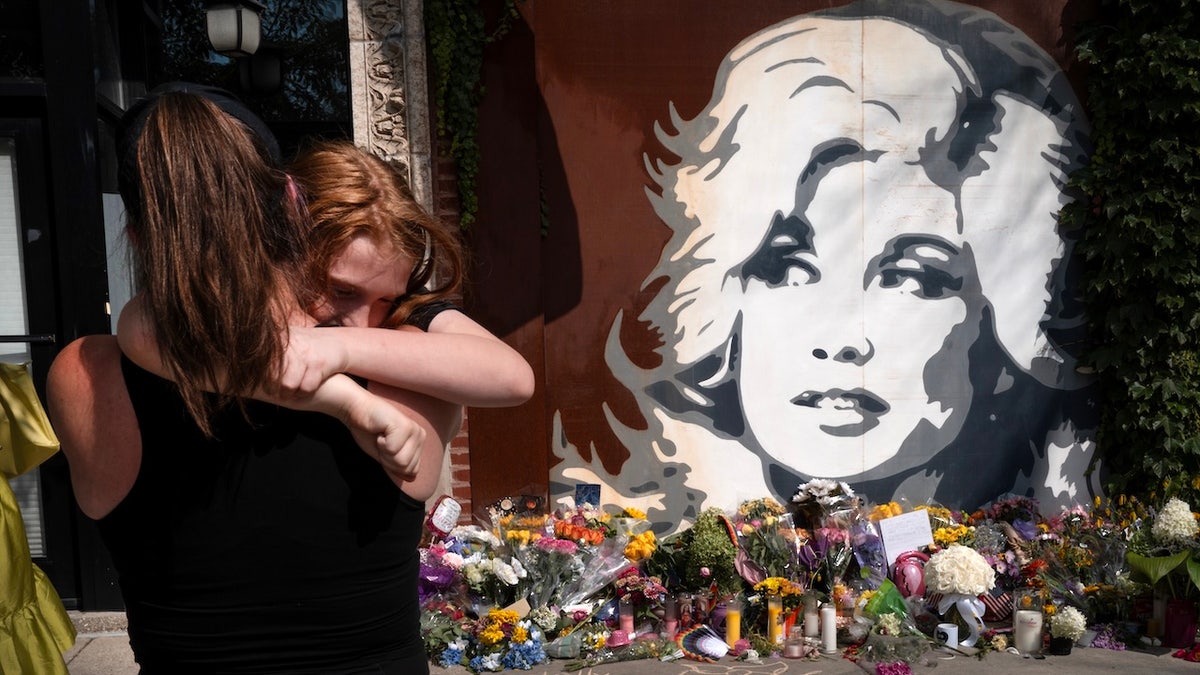
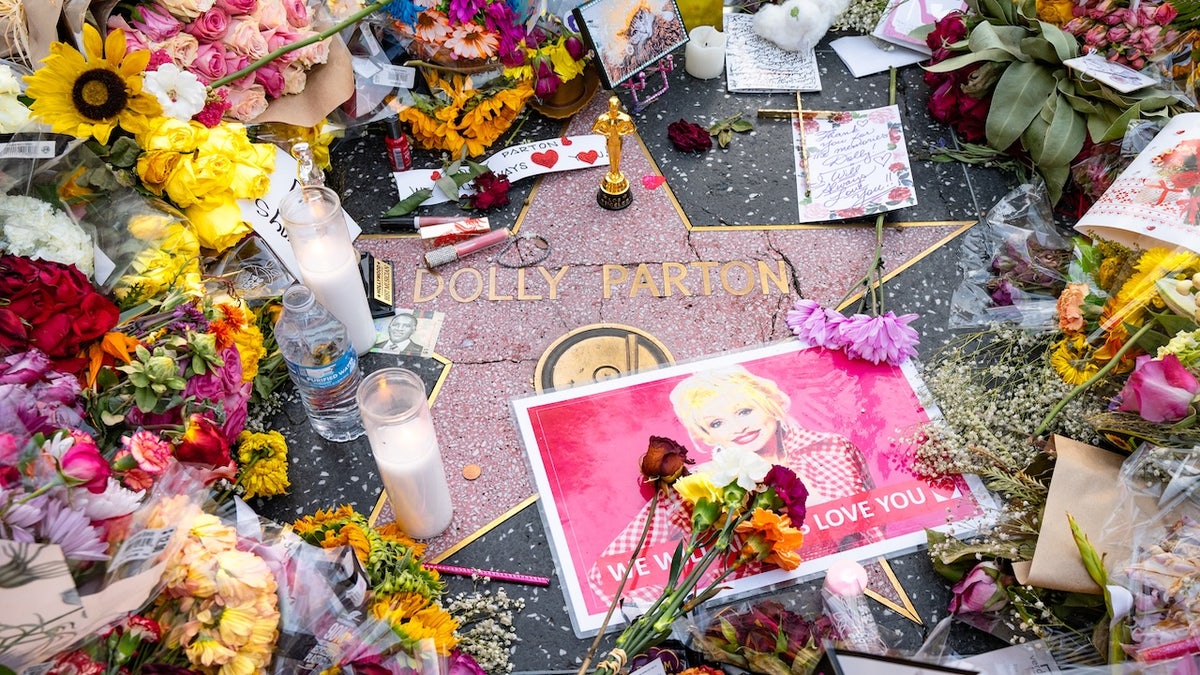
The world was cast into mourning following the announcement that Dolly Parton, the legendary country music singer, actress, and humanitarian, passed away on Tuesday, August 25, 2026. As news of her death spread, the response was immediate and visceral. From makeshift memorials at her star on the Hollywood Walk of Fame to somber gatherings at her home in Brentwood, Tennessee, and murals in Chicago, the outpouring of grief has been staggering. For many, the loss of the "Queen of Country" felt less like the passing of a distant star and more like the departure of a lifelong confidante.
Grief experts suggest that this intense reaction is not only natural but expected given Parton’s unique position in the global cultural zeitgeist. When a public figure remains a constant presence in the media for over six decades, they transition from being a mere entertainer to a permanent fixture in the routines and memories of their audience. This creates a psychological phenomenon known as a parasocial relationship—a one-sided bond where the fan invests emotional energy and time into a person who does not know them, but who feels intimately familiar.
Dr. Dara Houp, a licensed clinical psychologist based in New York City, explains that the human brain does not always distinguish between real-life social interactions and the deep emotional connections formed through media. "When a celebrity shares their personal life—childhood experiences, hardships, and victories—our brains register these bits of information through the same emotional and neural pathways utilized for our real-life friendships," Dr. Houp noted. For fans of Parton, who was famously open about her humble beginnings in the Great Smoky Mountains and her subsequent struggles and triumphs, a genuine attachment was developed over decades of storytelling.
This attachment is reinforced by the way Parton’s career spanned multiple generations. For older fans, she was the voice of the 1970s and 80s; for younger generations, she was the "Book Lady" who sent them free books through her Imagination Library or the savvy business mogul who remained authentically herself in an ever-changing industry. When such a figure dies, it isn’t just the person who is lost, but also the "perceived relational intimacy" that the fan has nurtured.
The intensity of this grief is further explained by the concept of "collective grief." Desiree Taranto, a licensed mental health counselor and clinical director at Empower Your Mind Therapy, points out that the widespread reaction reflects a shared emotional response that resonates across entire communities. "Parton’s music, movies, philanthropy, and public persona became part of many people’s family traditions, memories, and difficult life moments," Taranto said. Whether it was a song played at a wedding, a movie watched during a childhood illness, or a philanthropic effort that touched a local community, Parton’s influence was woven into the personal histories of millions.
On digital platforms and in grief support groups, fans have struggled to articulate why the loss feels so heavy. One Reddit user captured the sentiment of many, writing, "I honestly didn’t know I could react that way over someone I don’t even personally know. [Dolly] was a ray of sunshine in this dark world." Others have coined the term "post-Parton depression" to describe the lingering sadness and the sense of a world that feels suddenly dimmer.
This sense of loss is often heightened when the celebrity in question represents a specific set of virtues. For many, Dolly Parton was the embodiment of resilience, ambition, and unconditional kindness. Her ability to navigate the complexities of fame while maintaining a reputation for grace and generosity made her a moral compass for many of her followers. As one fan noted, "She is exactly who Jesus wanted us to be." When such a symbol of "goodness" is removed from the world, the grief can feel like a loss of hope or a disruption of the fan’s own moral framework.
Furthermore, Dr. Houp emphasizes that losing a celebrity can feel like losing a piece of one’s own history. "When a celebrity’s life is connected to a personal milestone—such as a break-up or the birth of a child—their death permanently disrupts a living connection to who, what, or where you used to be," she explained. A song like "I Will Always Love You" or "9 to 5" might be tied to a specific era of a fan’s life; the death of the artist who created those anchors can make those memories feel more distant or tinged with a new kind of melancholy.
The privacy surrounding Parton’s final days has also sparked a conversation about how public figures handle their health. Reports of a private cancer battle have highlighted the reasons why some patients choose not to share their diagnoses. For an icon like Parton, maintaining privacy may have been a way to control her narrative and protect her fans from premature mourning, allowing her to remain a "ray of sunshine" until the very end. However, the revelation of a hidden struggle can sometimes add a layer of "complicated grief" for fans who feel they missed the chance to offer support or prepare for the end.
To navigate this complex emotional landscape, mental health experts suggest several strategies. First and foremost is the validation of the feelings themselves. Taranto advises mourners to "accept your feelings and know that it is okay to mourn someone you never met." There is often a societal stigma attached to grieving a celebrity, with some labeling it as "celebrity worship" or "over-dramatic." However, the psychological reality is that the grief is real because the emotional investment was real.
Reaching out to others who are experiencing the same loss is another vital step in the healing process. "Be there for each other and allow others to be there for you," Taranto suggested. Engaging in communal acts of remembrance—such as listening to her discography, watching her films, or contributing to her charitable causes—can help transition the grief from a sense of loss to a celebration of legacy. Shared grief reminds individuals that they are not alone in their sadness, fostering a sense of community that Parton herself often championed.
Journaling or writing about what the person meant to you can also provide a constructive outlet for the "deep sadness that you just can’t shake." By articulating how Parton’s work touched their lives, fans can process the "post-Parton depression" and find a way to carry her values forward.
Ultimately, the death of Dolly Parton serves as a profound reminder of the power of human connection, even across the divide of fame and distance. Her life was a masterclass in authenticity, and her death has revealed the massive, invisible network of love she built through her art and her heart. While the world may feel smaller without her physical presence, the "parasocial" bonds she created ensure that her influence will remain a permanent part of the cultural and emotional landscape for generations to come. As fans continue to gather at murals and walk-of-fame stars, they are not just mourning a singer; they are honoring a woman who, for many, was the closest thing to a friend they ever found in the spotlight.
