
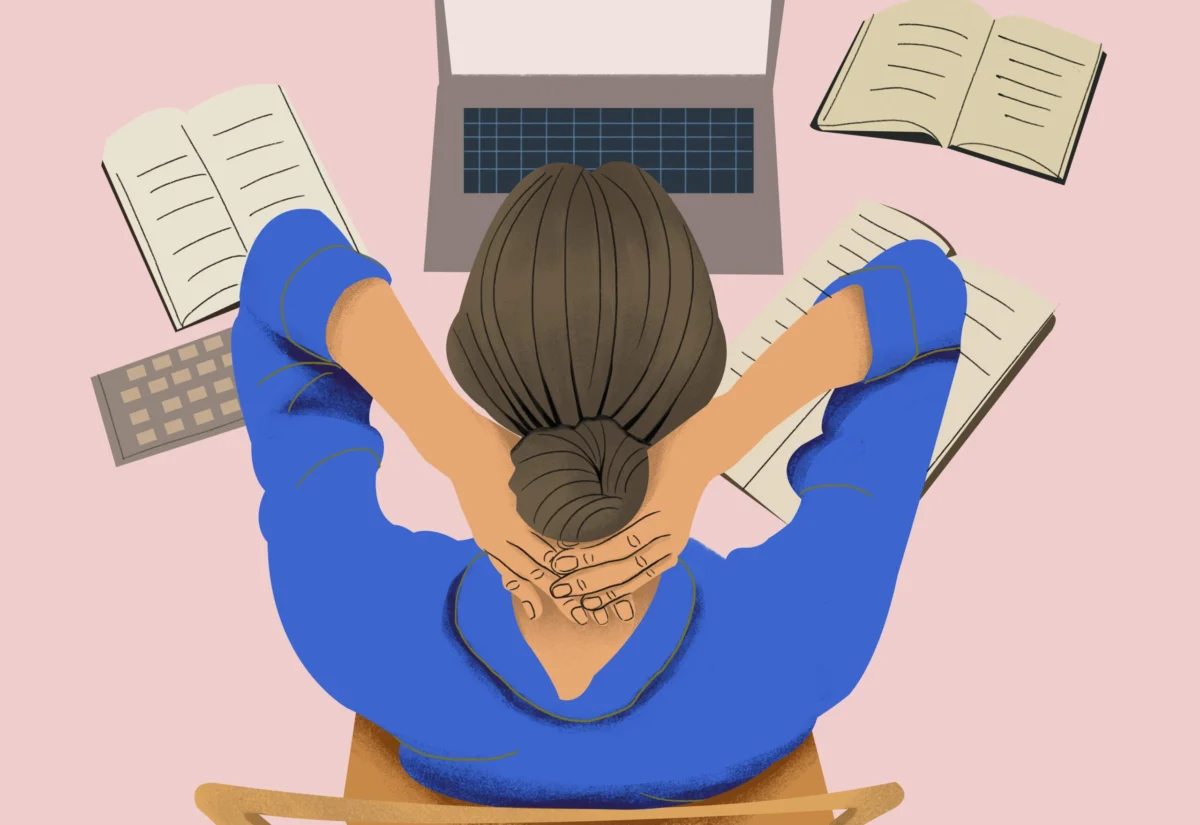
While digital convenience has fragmented our collective attention, reading remains a vital cognitive muscle that—when exercised through both ease of access and intentional mental friction—serves as a fundamental bulwark against cognitive decline and societal passivity.
The modern landscape of information consumption is currently defined by a profound tension between the effortless accessibility of content and the rigorous depth of traditional literacy. As short-form video algorithms and generative artificial intelligence redefine how we interact with information, many observers fear the dawn of a "postliterate" era where the long-form book becomes a relic of the past. However, a closer examination of current reading habits, psychological research, and technological trends suggests that reading is not dying; rather, it is undergoing a complex transformation. To preserve the profound neurological and civic benefits of the written word, we must learn to navigate the "friction" of reading—minimizing the barriers to entry while embracing the mental effort required for deep comprehension.
The Myth of the Postliterate Era
The narrative of a literacy crisis reached a fever pitch earlier this summer following a widely discussed report in The Atlantic titled “The End of Reading Is Here.” The piece painted a grim picture of American education, noting that even at the university level, instructors are increasingly hesitant to assign full-length books, opting instead for excerpts designed to satisfy standardized testing requirements. The suggestion was clear: we have entered an age where the sustained attention required for a 300-page narrative has been permanently eroded by the 15-second dopamine loops of TikTok and Instagram Reels.
Yet, data from the Pew Research Center and industry analysts provide a more nuanced perspective. A 2025 study revealed that the percentage of Americans who read books has remained remarkably stable over the last several years. What has changed is the medium. While print remains the dominant format, e-book consumption and audiobook listenership are surging. In 2025, print sales saw growth driven by genres like science fiction and self-help, and digital lending through platforms like Libby and Overdrive hit a record-breaking 820 million checkouts. The "end of reading" may be a compelling headline, but the reality is a massive shift in how we "stack" text into our brains.
The Biological Imperative: Reading as Mental Exercise
The stakes of this transition extend far beyond cultural preference. Literacy is not merely a functional skill; it is an intensive mental workout with documented health benefits. Studies consistently show that leisure reading improves language proficiency and expands vocabulary, but its impact on the brain goes deeper. Engaging with a book has been shown to reduce stress, alleviate symptoms of anxiety, and combat insomnia more effectively than many digital distractions.
Furthermore, reading is a primary tool for developing empathy. By inhabiting the perspectives of characters in a narrative, readers exercise the brain’s "theory of mind," the capacity to understand that others have beliefs and desires different from their own. Perhaps most critically in an aging society, consistent reading is linked to a reduction in cognitive decline. Like any muscle, the brain’s reading circuits require regular stimulation to maintain their elasticity. When we stop reading, we aren’t just losing stories; we are losing the mental infrastructure that allows us to process complex information and maintain focus.
The Strategy of Reducing Friction
For many, the barrier to reading is not a lack of interest, but the "friction" of modern life. High-stress jobs, long commutes, and the constant pestering of smartphone notifications make the act of sitting down with a heavy volume feel like a monumental task. This is where technology, often blamed for the decline of reading, can serve as its savior.
The rise of the e-reader—such as the Kindle Paperwhite or the Kobo Libra Colour—has fundamentally reduced the physical friction of reading. These devices offer a level of portability and convenience that a 1,300-page biography like Robert Caro’s The Power Broker simply cannot match. For younger generations, the e-book has become a primary gateway; Pew data indicates that over 40 percent of young adults have read an e-book in the past year. By integrating with library apps like Libby, these devices provide a "frictionless" acquisition process, allowing readers to borrow and begin a new book in seconds, even while commuting.
Audiobooks further reduce friction by decoupling the act of reading from the requirement of visual focus. While some purists argue that listening is not "reading," neurological research suggests that the brain processes and retains information from audiobooks with a level of comprehension comparable to print. For the time-poor individual, audiobooks transform chores or driving into opportunities for intellectual engagement, ensuring that the "crime of opportunity" that is reading remains possible in a crowded schedule.
The Necessity of Useful Friction
While reducing the barriers to entry is essential for building a habit, there is a specific type of "useful friction" that is necessary for deep learning. Educational psychologists, such as Daniel Willingham of the University of Virginia, argue that true learning only occurs when there is cognitive friction—the act of grappling with difficult ideas, rereading complex passages, and taking notes in the margins.
This is where the advantage of print becomes apparent. A 2018 meta-analysis suggested that paper-based reading offers a slight but meaningful edge in comprehension over screen-based reading, particularly for informational texts. The physical nature of a book—the ability to flip back to a previous page, the spatial memory of where a certain passage sits on a page, and the lack of a "back" button—encourages a slower, more deliberate pace.
In contrast, digital devices often encourage a "shark-like" behavior. As noted by linguistics professor Naomi Baron, we have been conditioned by search engines to scan and skim digital text, looking for specific answers rather than absorbing the whole. Scrolling, in particular, has been shown to tax cognitive resources because the eye must constantly refocus as the text moves, leaving less mental energy for actual comprehension. To become a better reader, one must learn when to use the frictionless ease of a Kindle and when to embrace the productive struggle of a physical book.
The AI Dilemma and the Future of Literacy
The most recent threat to the reading habit is the temptation of AI-generated summaries. With tools like ChatGPT able to condense a classic novel into five bullet points, the incentive to do the "cognitive lifting" of reading is lower than ever. However, relying on AI to summarize information is the ultimate form of removing friction, and it comes at a high cost.
Pia Kreijkes, a researcher at Cambridge University Press & Assessment, warns that as we outsource our reading effort to AI, our foundational reading skills will inevitably decline. The "psychological realism" or "moral complexity" of a masterpiece like Anna Karenina cannot be experienced through a summary; it must be felt through the act of reading. If the next generation relies on AI to process the world’s literature, they may gain the data points of a story while losing the transformative experience of the narrative.
Conclusion: Reclaiming the Narrative
Becoming a better reader in a postliterate era does not require a rejection of technology, but a more intentional use of it. The goal of leisure reading should be enjoyment and engagement, not the fulfillment of a rigid set of rules. If a book isn’t working, the reader should feel empowered to drop it. If an audiobook makes a difficult text more accessible, it should be embraced.
Ultimately, the preservation of reading is a civic necessity. The founders of the American democratic experiment believed that an informed citizenry—one capable of deep thought and critical analysis—was the only defense against tyranny. A society that only consumes ten-second video clips is a society that is easily manipulated. By reclaiming the habit of reading, we do more than just improve our vocabularies or lower our stress levels; we preserve the cognitive independence required to navigate an increasingly complex world. Whether on a screen, through a pair of headphones, or on the printed page, the act of reading remains the most powerful tool we have for expanding the boundaries of our own minds.
