
"We have broken-down houses, a burnt one over here, a lot of houses that are not livable," Lonny Fritzler stated, painting a stark picture of the decay in Lodge Grass. Yet, amidst the remnants of addiction’s toll, a powerful wave of hope and determined rebuilding is transforming the landscape, driven by community resilience and a commitment to a healthier future.
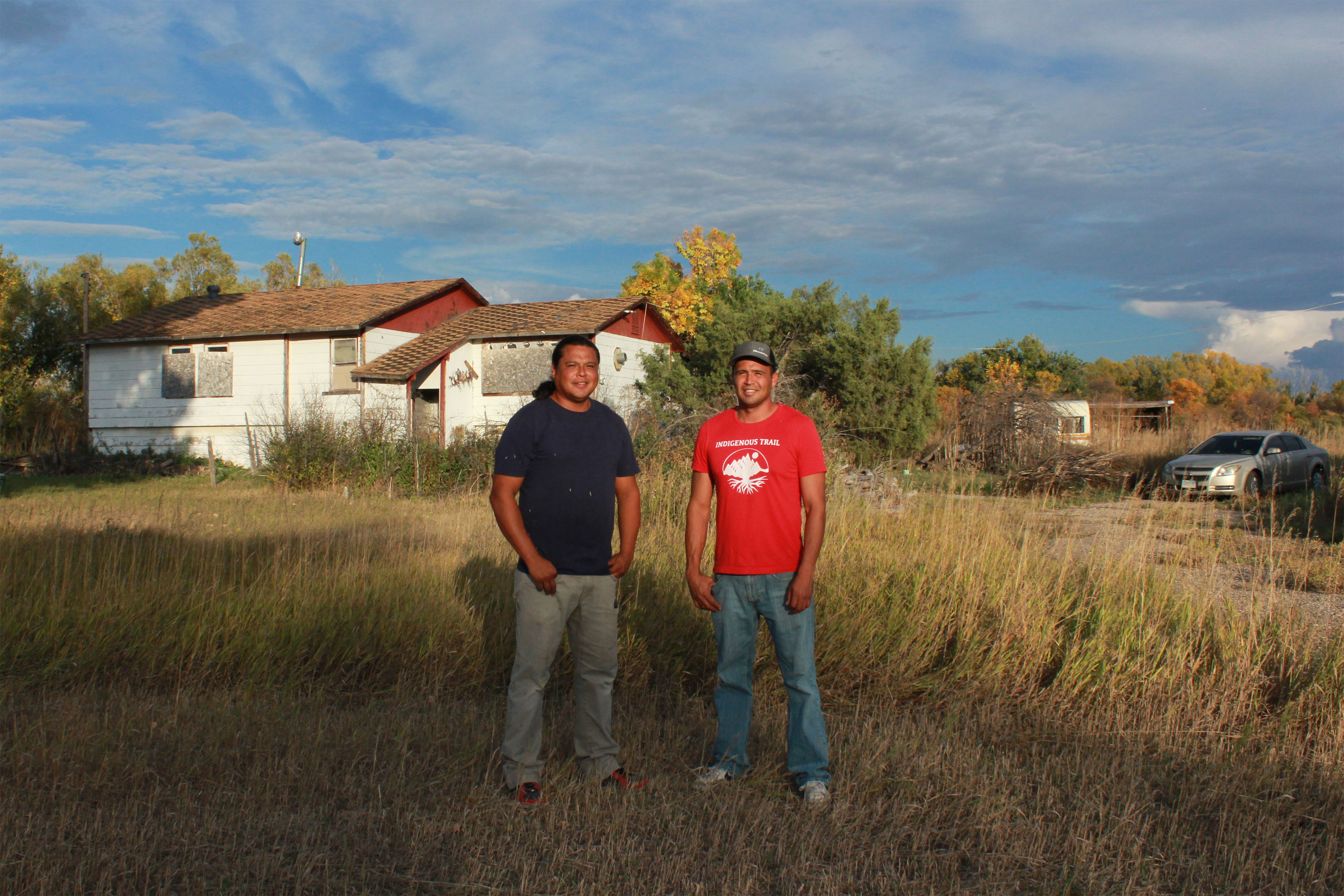
LODGE GRASS, Mont. – The vast prairie surrounding the Fritzler brothers’ childhood home on the Crow Indian Reservation once echoed with the sounds of horsemanship and the bounty of the land. Today, the boarded-up clapboard house stands as a silent testament to the pervasive struggle with methamphetamine addiction that has deeply impacted this community. Lonny, 41, and Teyon, 34, Fritzler, however, are not dwelling on the past but actively engaged in forging a new future, not just for themselves but for their entire community. Their journey, marked by years of battling meth addiction that claimed their father and grandfather, led them away from Lodge Grass to find sobriety. Now, they are returning, not to the decay, but to the construction of hope.
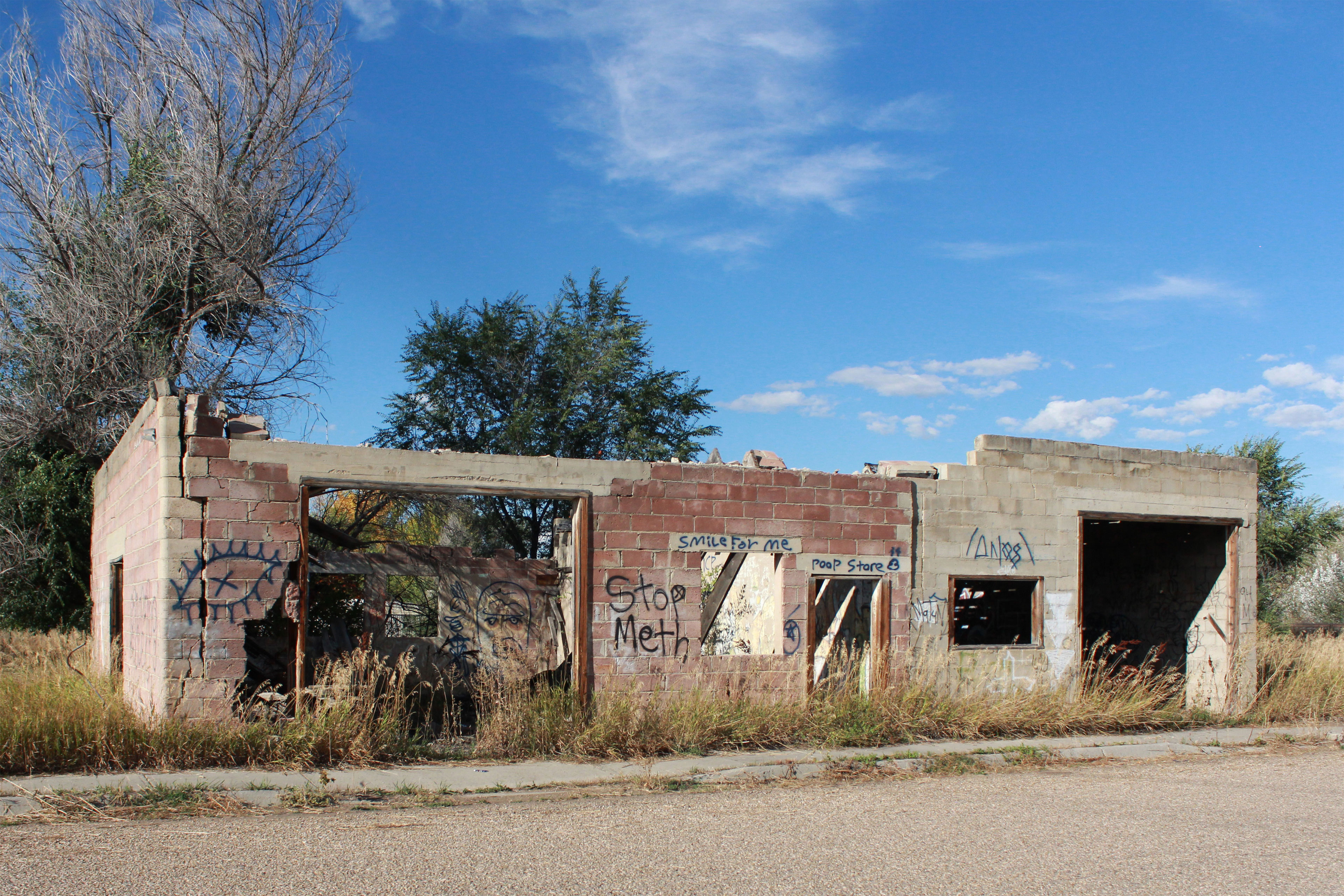
The family property, nestled near the Little Bighorn River, tells a story of neglect: a caved-in corral roof, a listing garage, and a house in dire need of extensive repairs. These crumbling structures are a common sight across Lodge Grass, a town of approximately 500 residents, reflecting the deep scars left by methamphetamine. The housing shortage, exacerbated by the effects of addiction, often forces multiple generations to share living spaces, a practice that can be rooted in cultural traditions but also highlights the scarcity of adequate housing. Lonny describes a neighborhood dotted with disrepair: "We have broken-down houses, a burnt one over here, a lot of houses that are not livable."
The impact of methamphetamine addiction is a grim reality in Lodge Grass. A local survey, commissioned by the Mountain Shadow Association, a Native-led nonprofit, indicates that an astonishing 60% of residents aged 14 and older grapple with drug or alcohol addiction. For many, the dilapidated buildings are more than just eyesores; they are physical manifestations of this ongoing crisis. However, the tide is beginning to turn. In recent years, the town has systematically demolished over two dozen abandoned buildings, clearing the way for a new narrative. For the first time in decades, new businesses are emerging, symbolizing the community’s collective effort to overcome the devastation wrought by meth.
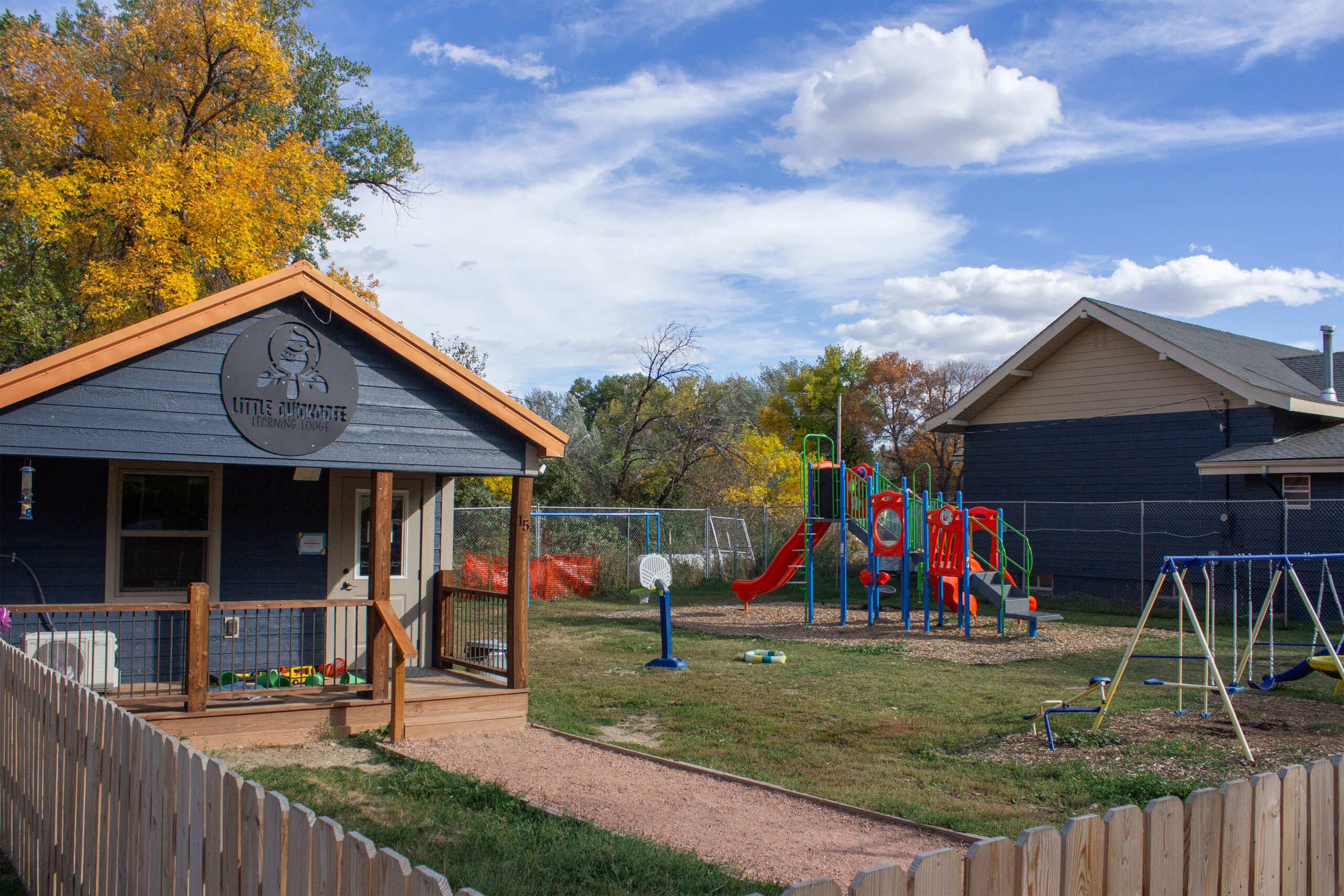
A significant milestone in this renewal arrived in October 2024 with the delivery of a new daycare center. The arrival of the small, wooden building was met with a celebratory parade, a tangible symbol of progress replacing a formerly abandoned home that had tested positive for meth traces. Megkian Doyle, director of the Mountain Shadow Association, recalled the emotional outpouring: "People were crying. It was the first time that you could see new and tangible things that pulled into town." This event underscores the profound psychological impact of visible renewal in a community long struggling with despair.
The Mountain Shadow Association is also spearheading the development of Kaala’s Village, a visionary project aimed at creating a comprehensive campus dedicated to healing from addiction. The ambitious plan includes mental health resources, temporary housing for children whose parents are undergoing treatment elsewhere, and long-term housing for families rebuilding their lives free from substance abuse. While the full realization of this campus is years away, the construction site has become a focal point for community members, who gather to witness the progress. Doyle describes this nascent hope as "a ground-level swell of hope that’s starting to come up around your ankles."
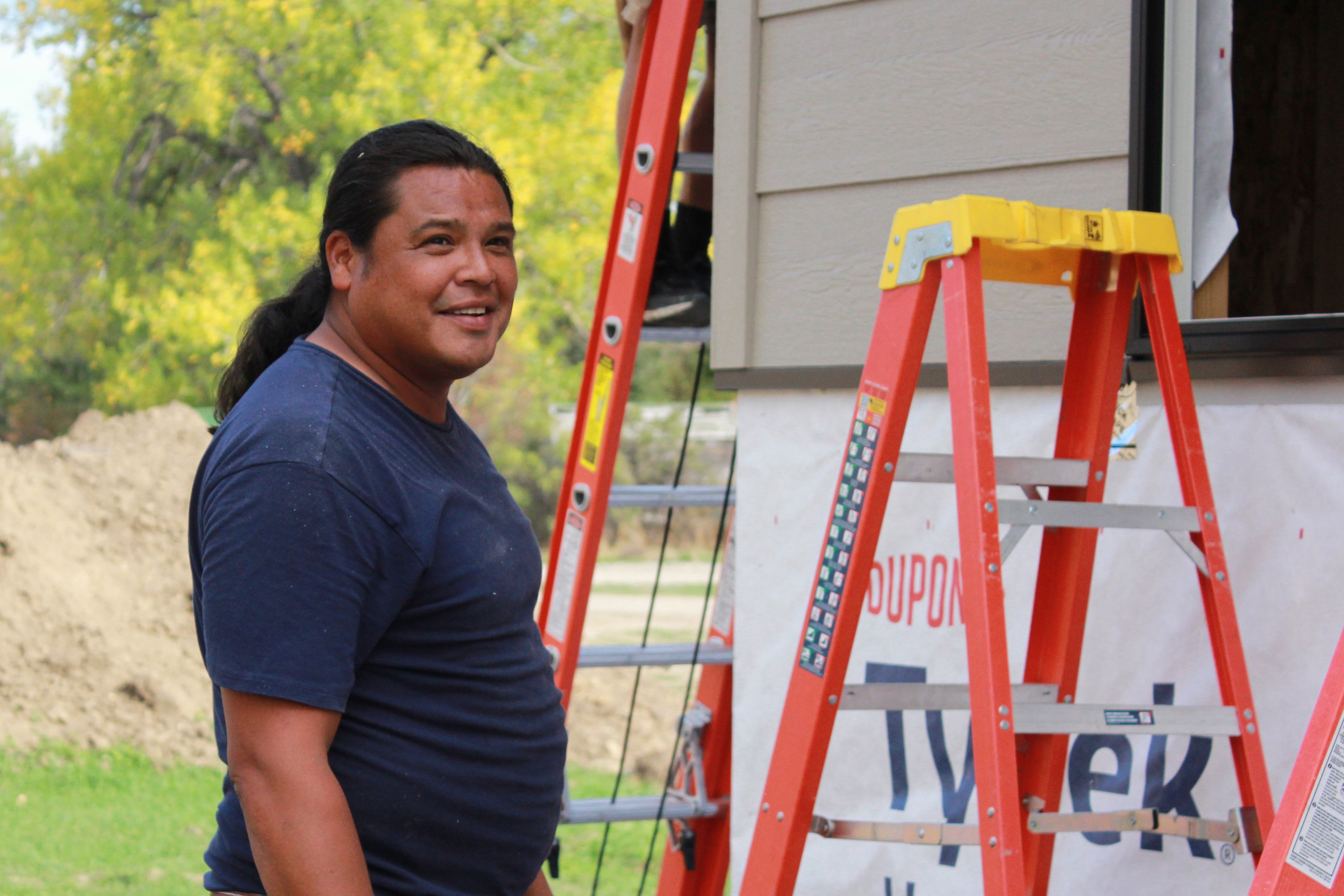
Among the dedicated builders at Kaala’s Village are Lonny and Teyon Fritzler. For them, this work is a profound act of service, a way to contribute to the revitalization of their ancestral lands within the Apsáalooke Nation, also known as the Crow Tribe. Lonny reflects on his personal transformation: "When I got into construction work, I actually thought God was punishing me. But now, coming back, building these walls, I’m like, ‘Wow. This is ours now.’" This sentiment highlights the deep connection between physical rebuilding and the reclaiming of community identity and pride.
Methamphetamine addiction represents a pervasive public health crisis across the United States, contributing significantly to the nation’s overdose epidemic. This issue has been particularly devastating within Indigenous communities, a term encompassing tribal jurisdictions and areas with substantial Native American populations. Research indicates that Native Americans experience the highest rates of methamphetamine addiction compared to any other demographic group in the U.S. A.C. Locklear, CEO of the National Indian Health Board, an organization dedicated to improving health outcomes in Indian Country, states, "Meth has never left our communities."
The challenges faced by reservations, often located in rural areas that historically exhibit higher rates of meth use, are compounded by pre-existing socioeconomic factors. Native American communities frequently contend with elevated levels of poverty, chronic diseases, and mental illness, all recognized as significant risk factors for addiction. These persistent issues are deeply rooted in over a century of systemic discrimination and the enduring legacies of colonization. Compounding these challenges, the Indian Health Service, responsible for providing healthcare to Native Americans, has been historically underfunded, with further detrimental impacts from budget cuts, including those seen under the Trump administration, which have curtailed health programs nationwide.
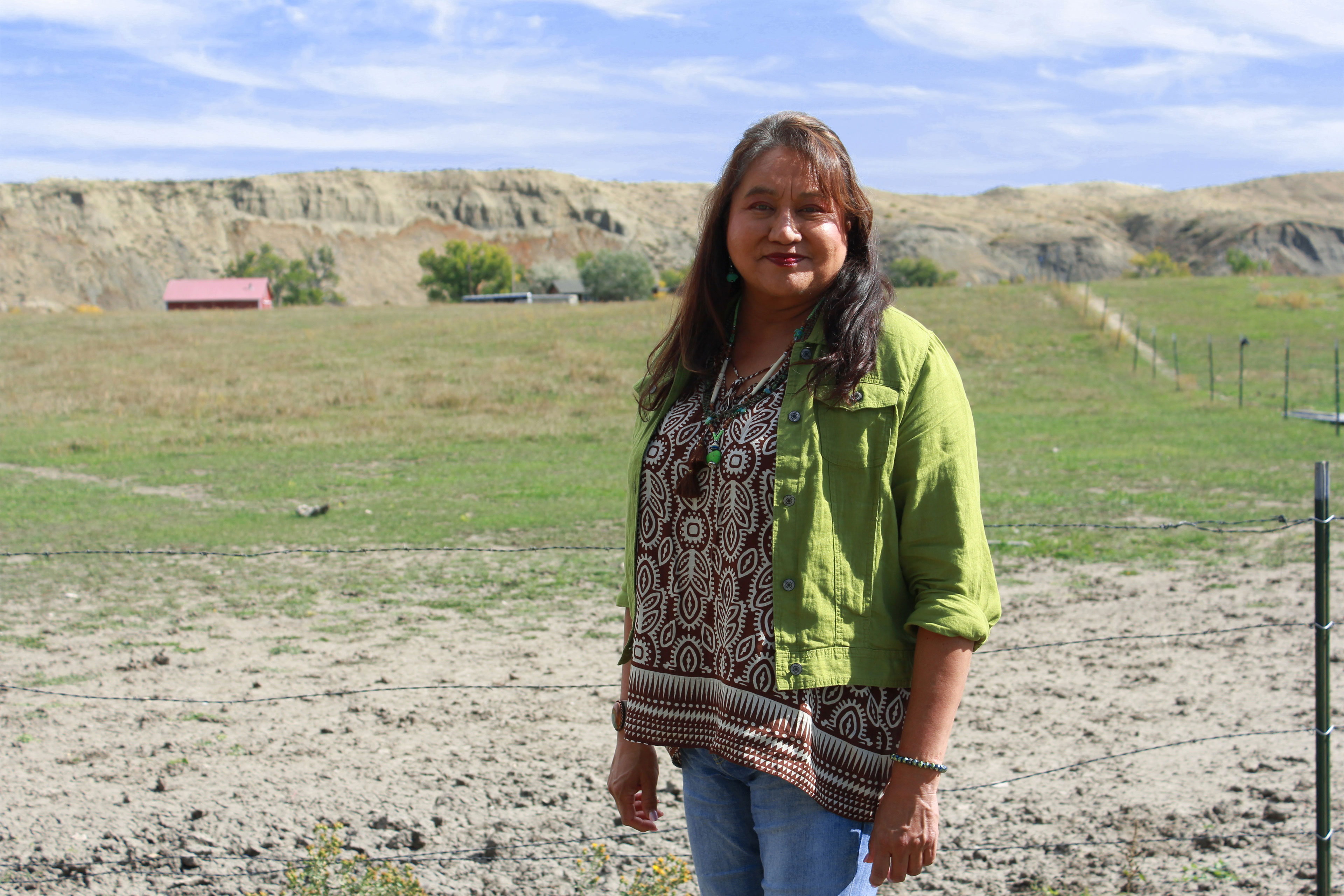
Despite these systemic hurdles, tribal nations have cultivated remarkable resilience, drawing strength from their rich traditions and cultural practices. LeeAnn Bruised Head, a recently retired public health adviser with the U.S. Public Health Service Commissioned Corps and a member of the Crow Tribe, emphasizes this inherent strength. She points to the preservation of the Crow language, the strong kinship ties that extend beyond immediate family, and the intergenerational mentorship within clans as crucial elements of survival and community support. "The strength here, the support here," Bruised Head asserts, "You can’t get that anywhere else." This deep-seated community cohesion provides a vital foundation for recovery efforts.
The transformation in Lodge Grass is becoming increasingly visible. Quincy Dabney, the town’s mayor and a volunteer at the newly opened Lodge Grass drop-in center, greets individuals seeking sobriety or a warm meal. The center, housed in a former church, represents a crucial step in providing accessible support. Dabney has been instrumental in organizing community cleanup initiatives since 2017, which evolved from litter removal to the demolition of condemned, abandoned houses. These structures had become notorious hubs for drug activity, with meth being sold, distributed, and used openly, often in proximity to children. "There was nothing stopping it here," Dabney remarked, highlighting the previous lack of intervention.
While the problem persists, as evidenced by the dismantling of a large multistate trafficking operation based on the Crow reservation in 2024, the community’s resolve is unwavering. Drug traffickers have historically targeted tribal nations as key distribution points, a pattern that law enforcement continues to combat. Yet, amidst the remnants of this struggle, such as a graffiti-marked, roofless stone building bearing the message "Stop Meth," are clear signs of progress. Dabney gestures to a cleared field where a long-standing trailer once stood, now removed by the town. A neighboring house is undergoing renovations to accommodate a new mental health worker for the drop-in center, signifying a direct investment in local support services.
Down the road, the construction of Kaala’s Village is progressing steadily. The name "Kaala," meaning "grandmother" in Crow, evokes a sense of nurturing and ancestral wisdom central to the project’s ethos. The initial phase involves building a therapeutic foster home, with future plans encompassing family reunification housing, a community garden, and spaces for traditional ceremonies. Doyle envisions a future where residents actively participate in building their own small homes, guided by builders trained in providing mental health support. "She said one of the most important aspects of this work is that we finish it," emphasizing the commitment to seeing this vital project through to completion.
The community’s proactive approach, exemplified by efforts like Kaala’s Village, has become even more critical in light of federal funding uncertainties. The political volatility and subsequent cuts to federal grants and programs have underscored the vulnerability of relying solely on external support, reinforcing the need for grassroots initiatives. However, a sustainable funding model for such endeavors remains elusive, intensifying competition for philanthropic dollars.
Kaala’s Village, with an estimated cost of $5 million, is being constructed in phases as funding becomes available. The association anticipates opening the foster home by spring, with family housing to follow the next year. The site’s proximity to the Fritzler brothers’ childhood home is symbolic of their personal and communal journey. Beyond their construction roles, Lonny and Teyon are undergoing training to provide mental health support, aspiring to work directly with individuals and families seeking healing at Kaala’s Village.
Regarding their own family home, the brothers harbor a quiet ambition to restore it, "Just piece by piece," Lonny says, his voice filled with determination. "We’ve got to do something. We’ve got these young ones watching." Their commitment to rebuilding, both their ancestral home and their community’s future, serves as a powerful beacon of hope for generations to come.