
"For older adults experiencing homelessness, specialized shelters like MVP are not just a temporary roof over their heads; they are a lifeline, offering dignity, medical attention, and a crucial pathway toward stability."
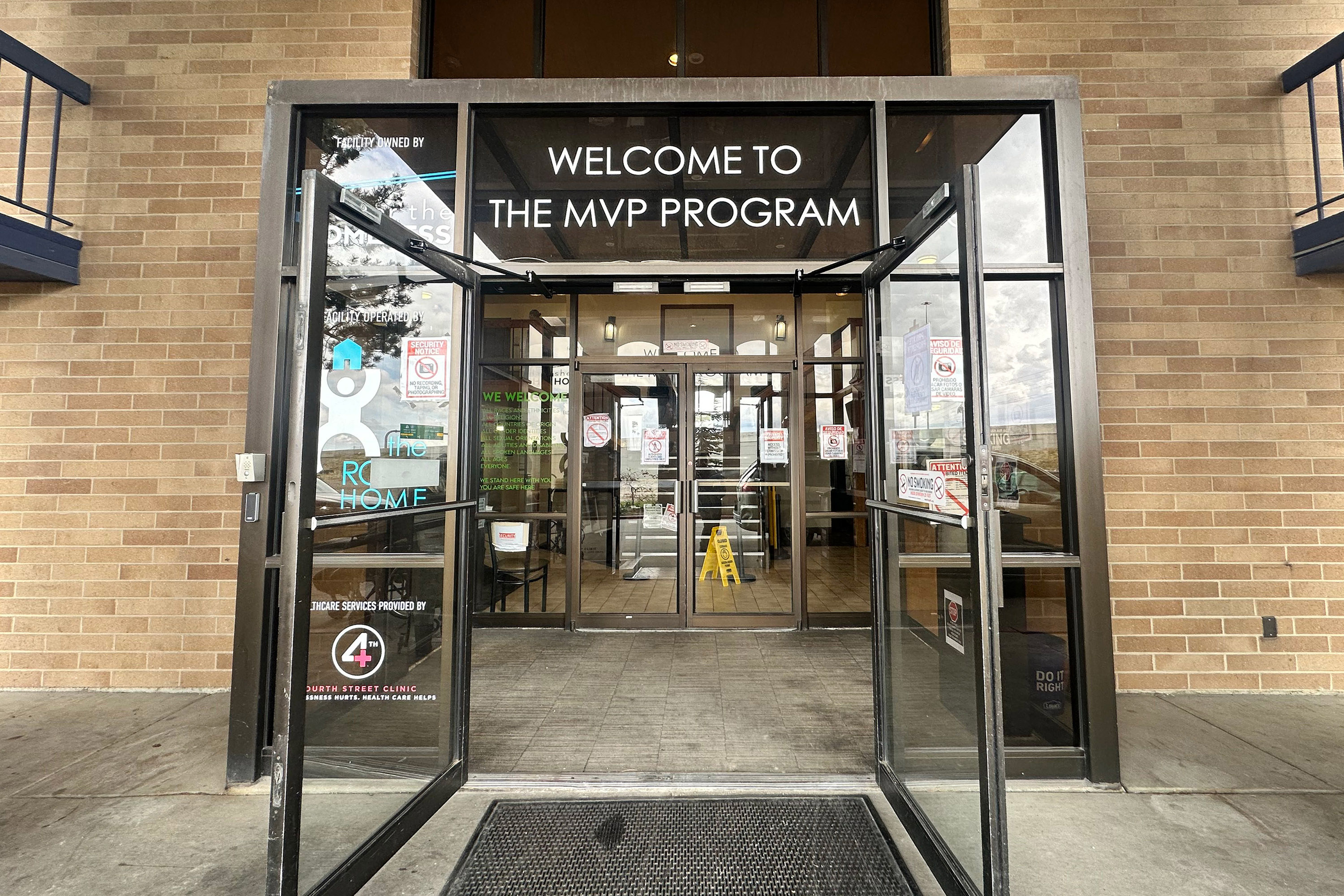
In Sandy, Utah, just outside the bustling metropolis of Salt Lake City, stands an unassuming two-story brick building that has been repurposed with profound impact. This former hotel now serves as a sanctuary for seniors experiencing homelessness, a demographic increasingly recognized as one of the fastest-growing segments of the unhoused population in the United States. Known as the Medically Vulnerable Population (MVP) facility, operated by the local nonprofit The Road Home, this shelter is specifically designed to meet the unique needs of individuals aged 62 and older, as well as younger adults with chronic health conditions, who find themselves without stable housing.
The challenges faced by older adults experiencing homelessness are multifaceted and often exacerbated by age-related physical and cognitive decline. Traditional homeless shelters, often ill-equipped to handle the complexities of aging, can present significant barriers. For individuals struggling with mobility issues, the simple act of climbing into a bunk bed or navigating to a shared bathroom can be a daunting ordeal. Issues like incontinence, common among older populations, can lead to embarrassment and a reluctance to seek shelter, while the lack of private facilities further compounds these difficulties. In some instances, individuals unable to fully care for themselves may even be asked to leave conventional shelters, creating a cycle of vulnerability and neglect.
The MVP facility distinguishes itself by directly addressing these critical shortcomings. Its accommodations are thoughtfully designed with accessibility in mind, featuring rooms that cater to individuals with mobility challenges. The provision of private bathrooms is a significant advancement, offering a crucial level of privacy and dignity for residents managing conditions like incontinence. This thoughtful approach to design underscores a commitment to ensuring that basic human needs are met with respect and consideration.
Dennis Culhane, a researcher at the University of Pennsylvania specializing in homelessness, highlights the alarming trend of aging among the unhoused population. "It’s not just those who have been homeless for years who are now aging," Culhane explains, "but many seniors are losing their housing for the first time in their lives." This distinction is critical: it means that individuals who have contributed to society for decades, often through stable employment and homeownership, are now facing the devastating reality of homelessness, often due to unforeseen circumstances such as job loss, mounting medical debt, or cognitive decline. The transition from independent living to homelessness can be particularly traumatic for this group, who may lack the established support networks or coping mechanisms often found in younger individuals who have experienced homelessness for longer periods.
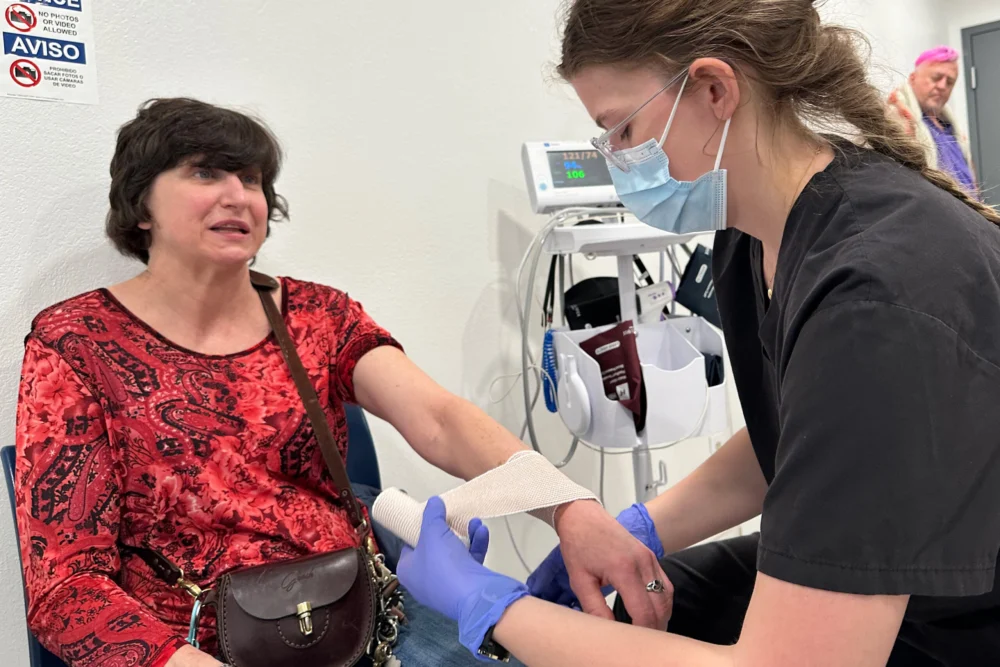
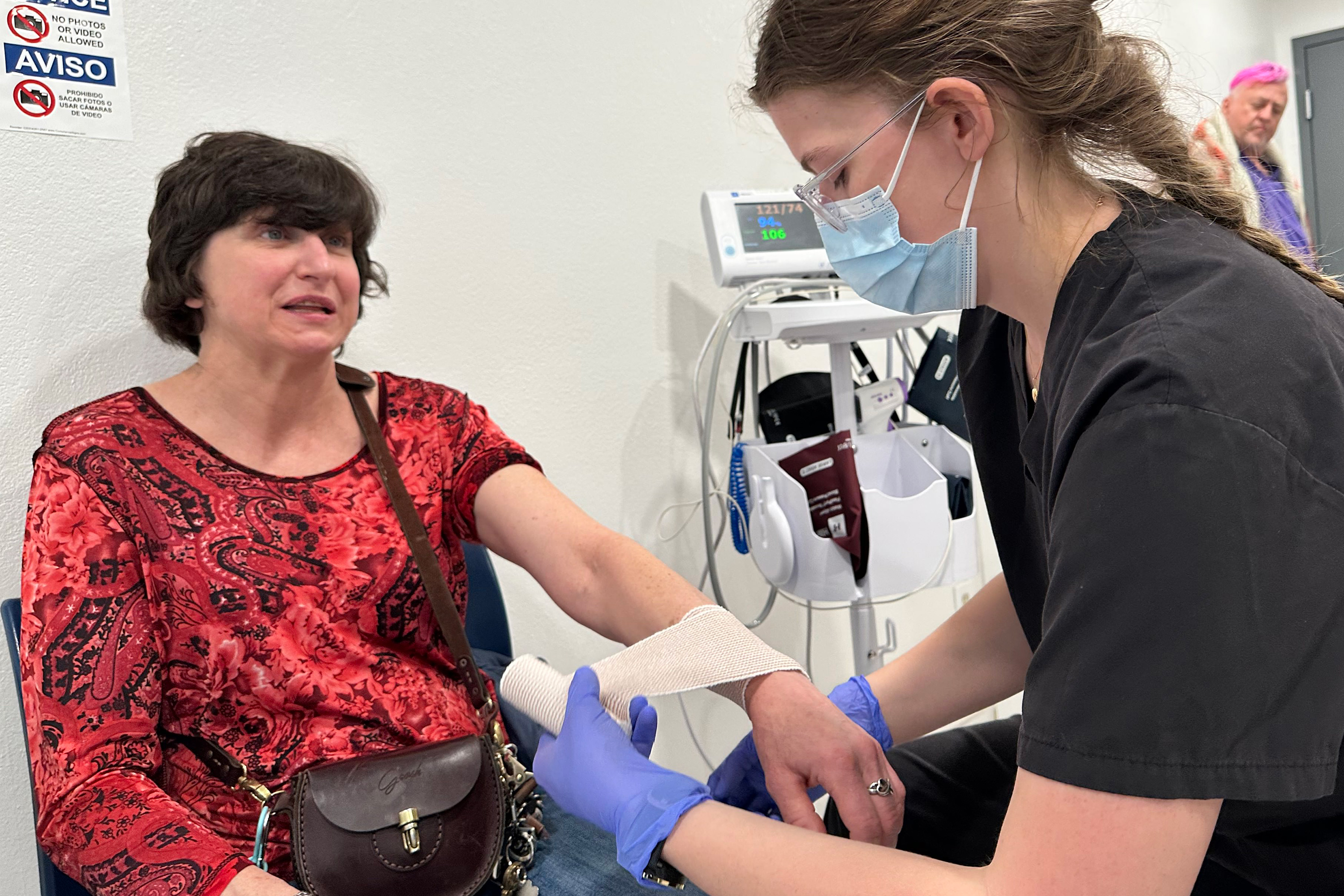
The MVP’s innovative model integrates medical care directly into the shelter environment, a revolutionary approach that allows for the better management of residents’ health as they age. This on-site medical support is not merely an add-on; it is fundamental to the shelter’s mission. Jamie Mangum, a resident in her early 50s battling lung cancer, experienced this firsthand when she fell and injured her wrist. Instead of facing a lengthy wait or the arduous task of seeking external medical attention, she was able to descend a short flight of stairs to be treated by an on-site emergency medical technician. "Elsewhere, I would have had to wait for hours," Mangum shared. "Here, I just go in and they take care of me." This immediate access to care not only alleviates physical pain but also reduces the immense stress and anxiety associated with managing a serious illness while homeless. Beyond immediate medical needs, specialized social workers at MVP have also assisted Mangum in navigating her cancer treatment, demonstrating a holistic approach to care.
Baleigh Dellos, the administrator of the MVP facility for The Road Home, elaborates on the diverse range of needs the shelter addresses. "We have clients who need memory care. Perhaps they were living independently before, but now they can’t and were evicted due to dementia or other reasons," she stated. This highlights the shelter’s capacity to care for individuals with cognitive impairments, a demographic often overlooked in standard homeless services. The presence of specialized medical case managers, along with visiting primary care physicians and therapists, ensures that residents receive comprehensive care tailored to their evolving health conditions. Even physiotherapy is available within the shelter’s private spaces, further reducing the need for residents to travel for essential treatments, a significant barrier for many.
A vital component of the MVP’s success is its partnership with the Fourth Street Clinic, which provides crucial medical services directly within the shelter. Matt Haroldsen from Fourth Street Clinic emphasizes the immediate impact of this collaboration. "The first thing most new individuals need is help with their medications," he explained. For those living on the streets, maintaining a consistent medication regimen is a monumental challenge. Haroldsen recounts instances where individuals experiencing homelessness resort to burying their insulin to keep it cool, only to forget where it’s buried or have it spoil due to extreme temperatures. The ability to securely store and access medications at MVP is a critical step towards stabilizing health conditions, which in turn empowers residents to focus on other vital tasks. These include obtaining identification, securing necessary documents for disability benefits, Social Security, and various programs that can ultimately lead to permanent housing.
The growing recognition of the unique challenges faced by older adults experiencing homelessness has spurred the development of similar specialized shelters across the country. Local governments and non-profit organizations in Florida, California, and Arizona have initiated programs designed to cater to this vulnerable population. Caitlin Synovec, deputy director of the National Health Care for the Homeless Council, underscores the life-or-death implications of such specialized care. "Access to specialized shelters can mean the difference between life and death," Synovec stated. This is particularly true in colder climates, where denial of shelter due to mobility issues or medical conditions can have fatal consequences. The tragic case of an elderly homeless man in Bozeman, Montana, who died of hypothermia in 2022 after being turned away from a shelter due to incontinence, serves as a stark reminder of the critical need for compassionate and adaptable housing solutions.
Beyond the immediate risk of exposure, complex medical needs can also pose challenges within general shelters, which are often not equipped to handle them. Synovec points out, "A typical shelter won’t allow someone with oxygen because it presents a fire risk." This illustrates how seemingly basic safety protocols in conventional shelters can inadvertently exclude individuals with critical medical requirements. By providing integrated medical care, MVP and similar facilities create a safer and more supportive environment for both residents with complex health needs and the broader shelter population. Synovec further emphasizes that on-site medical care is instrumental in helping older adults maintain stability once they secure housing, as health issues are a primary driver of housing instability among seniors.
The MVP model is proving to be a scalable and effective solution. Jacob Torner, vice president of programs at the Task Force for Ending Homelessness in Fort Lauderdale, Florida, which operates the Elder Haven shelter, reports significant success: "More than 80% of people who went through our program last year were able to move into stable or permanent housing." The MVP facility in Utah has also achieved remarkable outcomes, permanently housing 36 seniors by the end of last year.
Despite these successes, the demand for such specialized services far outstrips the available resources. Dellos notes that MVP’s waiting list consistently hovers around 200 individuals, with priority given to those with the most urgent medical needs, rather than simply the length of their wait. This highlights the ongoing need for increased funding and the replication of this successful model to address the growing crisis of senior homelessness.
The transformative impact of the MVP is vividly illustrated by the story of Jeff Gregg, a 62-year-old resident. Gregg, who struggles with chronic back pain stemming from an old injury, had battled opioid addiction for decades. He described the arduous cycle of losing jobs, health insurance, and ultimately his housing, only to find himself back in the devastating grip of addiction. "Struggling with that, having a job, health insurance, then losing the job, no insurance, ending up on the street and back in that hell. And I’d go back to the same place," he recounted.
For Gregg, maintaining sobriety was a constant battle against more immediate survival needs like finding food and shelter. He found solace and a path to recovery at MVP, the first place where he felt he could truly relax and focus on his well-being. "I was able to get off the drugs. It took me a couple of months, but I slowly made progress," he shared. This newfound stability enabled him to undergo back surgery, significantly reducing his pain. Gregg now hopes that with diminished pain, he can secure employment and eventually rent an apartment, marking a profound turning point in his life.
The collaborative efforts between NPR and Montana Public Radio, which brought this story to light, underscore the national significance of this issue. The MVP facility in Utah is not just a shelter; it is a beacon of hope, demonstrating that with specialized care and compassionate programming, older adults experiencing homelessness can regain their health, dignity, and a path toward a stable future.