
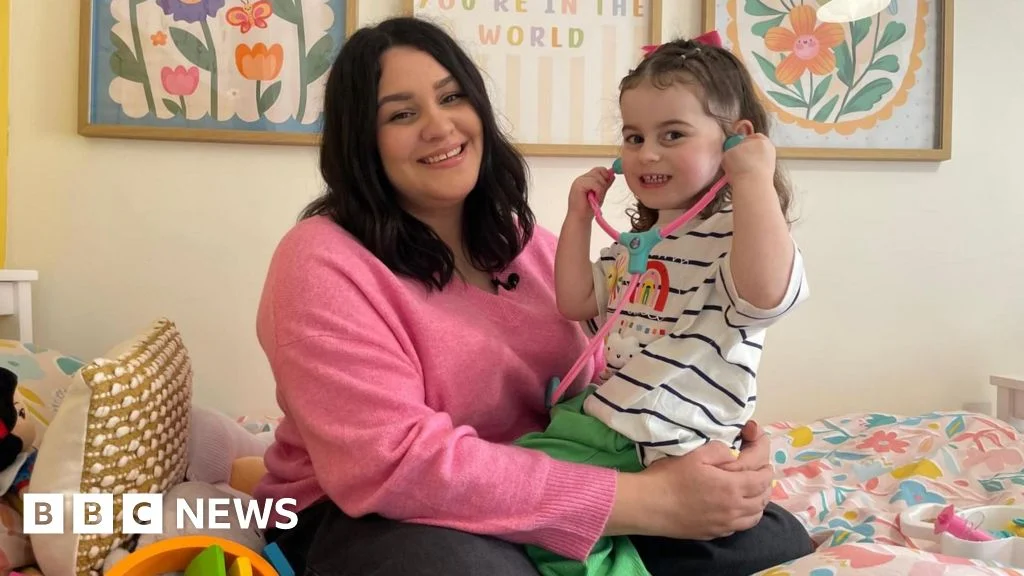
"I knew I wasn’t safe, but I didn’t think I was out of control. My time in a mother and baby mental health unit didn’t just save my life; it saved my daughter’s, too, by fostering a bond I thought was lost forever."
The birth of a child is often envisioned as a moment of unparalleled joy, yet for some mothers, it can plunge them into the depths of severe mental illness. This was the stark reality for Sofii Lewis, whose initial expectation of a two-week stay in a specialist mother and baby mental health unit stretched into five transformative months. Her journey, marked by the harrowing experience of postpartum psychosis and obsessive-compulsive disorder (OCD) tendencies, illuminates the critical importance of specialized perinatal mental health support, not only for the mother’s recovery but for the foundational bond with her child.
For 27-year-old Sofii Lewis from Aberdare, Rhondda Cynon Taf, the immediate aftermath of her daughter Evie’s birth was devoid of the expected maternal connection. Following a challenging pregnancy and delivery, she described an unsettling emotional void upon holding her newborn. "There was nothing. I had no interest, even though I had just given birth to my first child," she recounted, a sentiment that foreshadowed the severe mental health crisis that would soon engulf her.
In the days and weeks that followed, Sofii’s condition rapidly deteriorated. Plagued by profound sleep deprivation, she began experiencing auditory hallucinations – a persistent beeping noise in her bedroom that seemed to emanate from neither her phone nor the baby monitor. Her mind, in a terrifying distortion of reality, convinced her that this sound was connected to a sinister plot to "buy Evie," associating the beeping with a till or checkout. "It makes no sense to me now, but that felt so real at the time," she explained, highlighting the profound disconnect from reality characteristic of psychosis. Alongside these delusions, Sofii found herself struggling with intense anger every time Evie cried, a deeply distressing experience for any new mother.
Recognizing the escalating severity of her emotional state, Sofii sought help from a counsellor. It was during this consultation that the suggestion of a mother and baby mental health unit (MBU) was first raised – a concept Sofii admitted she was entirely unaware existed. Her initial reaction was one of fear and apprehension. The thought of being separated from her partner and confined to what she imagined would be a "prison-like" environment filled her with "hysterical" anxiety. However, the reality of the MBU proved to be a stark contrast to her worst fears.
Postpartum psychosis (PPP) is a rare but severe mental illness that typically manifests abruptly within days or weeks following childbirth, affecting approximately one in 1,000 mothers. Its symptoms, which can fluctuate rapidly, include mania, depression, confusion, hallucinations, and delusions. Unlike the more commonly understood postnatal depression and anxiety, PPP is an urgent medical emergency requiring immediate and specialized intervention due to its rapid onset and potential for quick escalation. Experts emphasize that it can affect any woman, irrespective of prior mental health history, making early detection and intervention paramount.
Upon admission, Sofii discovered that the MBU was less a prison and more akin to a supportive residential community. Here, she found herself among other women navigating similar, profoundly challenging experiences. This shared environment, coupled with a comprehensive treatment plan encompassing medication, individual therapy, and structured activities designed to foster mother-baby bonding, began to mend the fractured connection she felt with Evie. A pivotal moment occurred when Evie was 16 weeks old – the first time Sofii was able to engage in skin-to-skin contact with her daughter, an experience she described as "a really big moment for me," signifying a crucial step in her recovery and the blossoming of their bond.
Leaving the intensive support of the MBU after five months was not without its difficulties, presenting a new set of challenges as Sofii transitioned back to her home life. However, three years on, she stands as a testament to the power of specialized care and now dedicates herself to raising awareness and encouraging other mothers to seek help. "They aren’t alone in this and when you are in it, it does feel like the most isolating thing in the world," she affirms. "You think ‘I’ll never get back to [being] a normal mum,’ but you will."
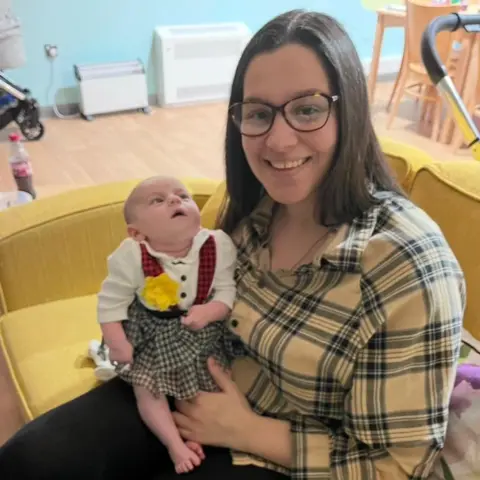
The advancements in perinatal mental health support are underscored by the experience of Dr. Sally Wilson, who works with the charity Action on Postpartum Psychosis. Eleven years ago, immediately after the birth of her own daughter, Dr. Wilson experienced PPP firsthand. "In my mind I had died. I was living in an afterlife and being punished for something that happened to my daughter," she recalled, highlighting the terrifying detachment from reality she endured. Her admission to a general psychiatric ward, separated from her baby, reflected the limitations of care at the time.
Dr. Wilson’s arduous recovery journey fueled her advocacy for improved services. She notes significant progress since her own experience, with "perinatal specialist teams in all the health boards in Wales" now in place. Furthermore, dedicated mother and baby units are available, including one in Swansea and a newly opened collaborative unit in Chester, serving both NHS England and NHS Wales patients. Despite these improvements, Dr. Wilson stresses that "plenty of work is still to be done" to enhance awareness among expectant parents, the general public, and even healthcare professionals.
Prof. Arianna Di Florio from Cardiff University echoes the importance of raising awareness without inadvertently creating undue anxiety among pregnant women. She emphasizes that while PPP is "very rare," it is also "very treatable." "It’s really terrifying but there are treatments that work very well and most women recover with some never getting ill again," she explains, offering a message of hope and reassurance. The prognosis for recovery from PPP is "very good."

Professor Di Florio highlights the inherent difficulty in detecting the condition, particularly in women with no prior history of mental illness, and the immense societal pressure on new mothers to appear "perfect," which can deter them from admitting struggles and seeking help. She delivers a crucial message: "I know it’s easy for me to say but I think it’s a very important message to say that nobody chooses to get postpartum psychosis, it can happen to anyone." This underscores the indiscriminate nature of the illness and the need for compassion and understanding.
Sofii Lewis’s courageous sharing of her story, coupled with the insights from experts like Dr. Sally Wilson and Prof. Arianna Di Florio, sheds light on a critical aspect of maternal health. It serves as a powerful reminder that severe perinatal mental illnesses, though frightening, are treatable, and specialized support can lead to profound recovery and stronger family bonds. The existence of dedicated mother and baby units and specialist perinatal teams offers a lifeline, ensuring that mothers like Sofii can navigate the darkest moments of postpartum illness and emerge with renewed hope and connection. The collective message is clear: help is available, and no mother should suffer in silence.
If you’ve been affected by the issues in this story, help and support is available via BBC Action Line.