
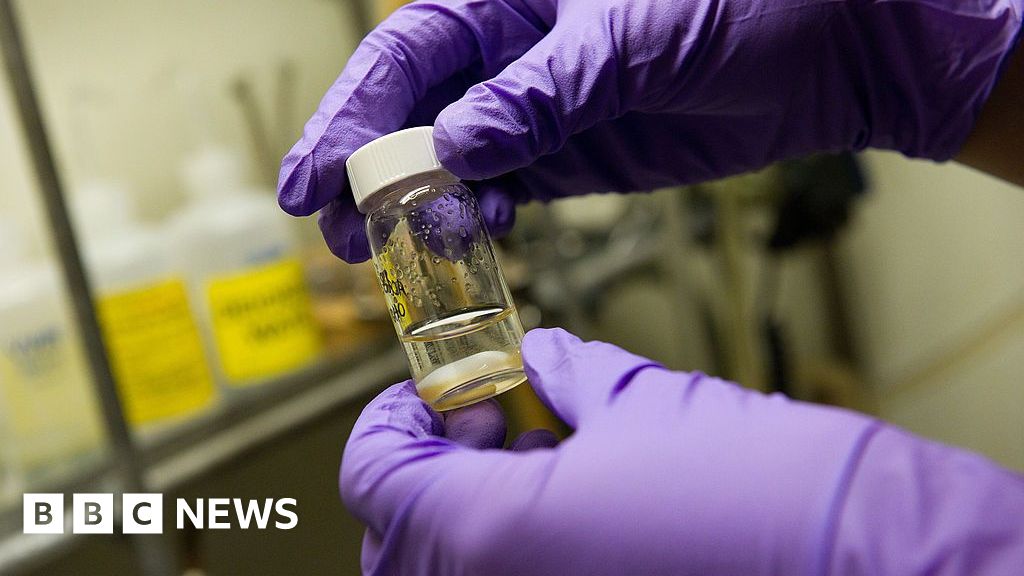
"This groundbreaking ‘universal vaccine’ represents a radical departure from traditional immunization, aiming to prime the body’s innate defenses to combat a vast spectrum of respiratory viruses, bacteria, and even allergens with a single nasal spray, potentially ushering in an era free from common coughs, colds, and flus."
For over two centuries, vaccines have been meticulously designed to target individual pathogens, a highly effective but inherently narrow approach. Now, researchers at Stanford University are pioneering a revolutionary "universal vaccine" delivered via nasal spray, which seeks to fundamentally alter how our immune system defends against disease. Instead of training the body to recognize a specific threat, this innovative therapy primes the innate immune system’s frontline defenders, lung macrophages, to an "amber alert" state, ready to neutralize any invading respiratory pathogen, from the common cold to antibiotic-resistant bacteria, and even mitigate allergic responses. This bold strategy could redefine public health, offering unprecedented broad-spectrum protection and a new weapon in the global fight against infectious diseases.
The history of vaccinology, a field profoundly shaped by Edward Jenner’s pioneering work in the late 18th century, has largely revolved around the principle of specific immunity. Traditional vaccines introduce a weakened or inactive form of a pathogen, or components thereof, to stimulate the adaptive immune system. This process leads to the production of highly specific antibodies and memory T-cells that can rapidly neutralize that exact pathogen upon subsequent exposure. This targeted approach has yielded monumental successes, from the eradication of smallpox to the effective control of diseases like measles, polio, and diphtheria, dramatically improving global health.
However, this specificity, while powerful, also presents significant limitations, particularly when dealing with the dynamic and diverse landscape of respiratory infections. Influenza viruses, for instance, constantly mutate, necessitating annual vaccine reformulations that are often a best guess against circulating strains and can have varying efficacy. The common cold is not caused by a single virus but by a multitude of pathogens, including hundreds of rhinovirus serotypes and various coronaviruses, making a conventional, single-target vaccine an impossibility. Furthermore, the emergence of novel pathogens, such as SARS-CoV-2, demands rapid, bespoke vaccine development, a process that, while accelerated during the COVID-19 pandemic, still requires precious time during which lives are lost and economies are disrupted. Beyond viruses, bacterial lung infections, often secondary to viral illnesses, contribute significantly to morbidity and mortality, exacerbated by the growing crisis of antibiotic resistance.
It is against this backdrop that the research from Stanford University emerges as a potential paradigm shift. Their "universal vaccine" does not aim to train the body to fight one specific infection, but rather to enhance the innate immune system’s general readiness. This is a radical departure from the established vaccinology playbook, moving beyond the traditional adaptive immunity focus to leverage the body’s first line of defense in a novel and broadly protective manner.
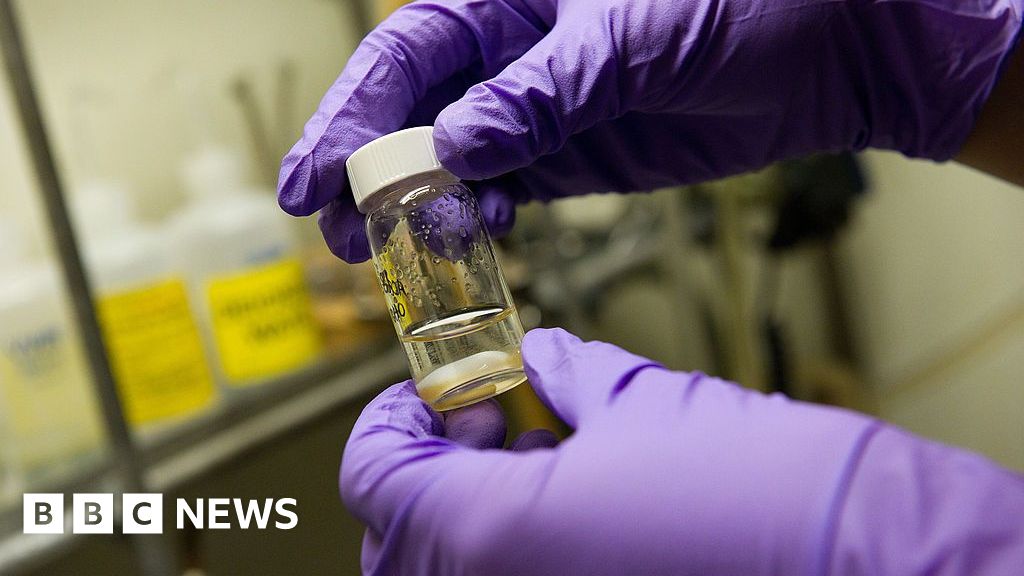
At the heart of this innovative approach lies the concept of "trained immunity" within lung macrophages. Macrophages are large, specialized white blood cells that play a critical role in the innate immune system. They act as scavengers, engulfing and digesting cellular debris, foreign substances, microbes, and cancer cells (a process called phagocytosis). They also serve as antigen-presenting cells, initiating adaptive immune responses. The nasal spray vaccine works by delivering a specific stimulant directly to the respiratory tract, particularly the lungs. Once administered, it leaves these lung-resident macrophages on what researchers describe as an "amber alert" state. This isn’t a passive state; it signifies a profound reprogramming of these cells, leading to "trained immunity."
Trained immunity refers to the phenomenon where innate immune cells, particularly monocytes and macrophages, acquire enhanced functional responses upon re-stimulation with the same or even unrelated stimuli, retaining a "memory-like" state. Biochemically, this involves epigenetic modifications—changes in gene expression without altering the DNA sequence itself—that lead to more efficient pathogen recognition, heightened phagocytic activity, and a faster, more robust production of antimicrobial proteins and inflammatory cytokines. In essence, the macrophages become hyper-vigilant and hyper-responsive. The Stanford team demonstrated that this heightened state of readiness led to a remarkable 100-to-1,000-fold reduction in viruses successfully penetrating the lungs and entering the body in animal experiments. For the few pathogens that did manage to breach this reinforced initial barrier, the rest of the immune system was "poised, ready to fend off these in warp speed time," as Prof. Bali Pulendran, a professor of microbiology and immunology at Stanford, explained. This dual layer of defense—enhanced initial clearance and accelerated adaptive response priming—is what underpins the vaccine’s broad efficacy.
The implications of such broad-spectrum protection are vast. The researchers showed that this vaccine protects not only against a wide array of respiratory viruses, including those responsible for the common cold and flu, but also against dangerous bacterial lung infections. Specifically, it proved effective against Staphylococcus aureus and Acinetobacter baumannii. Staphylococcus aureus is a common cause of pneumonia, bloodstream infections, and serious skin and soft tissue infections, with methicillin-resistant Staphylococcus aureus (MRSA) posing a significant public health threat due to its resistance to multiple antibiotics. Acinetobacter baumannii is another formidable pathogen, notorious for causing severe infections, particularly in hospital settings, and is frequently multidrug-resistant, presenting a major challenge in clinical management. By offering protection against such critical bacterial threats, this universal vaccine could play a crucial role in mitigating the global antibiotic resistance crisis, reducing the need for antibiotics and preserving their effectiveness.
Beyond infections, the vaccine also demonstrated a surprising ancillary benefit: it appeared to reduce the immune response to house dust mite allergens, a common trigger for allergic asthma. This suggests that the immune system reprogramming induced by the vaccine might steer the immune response away from maladaptive allergic reactions, possibly by modulating the balance of T-helper cell subsets (e.g., shifting from a Th2-driven allergic response to a Th1-type response that prioritizes pathogen clearance), thereby dampening inflammatory processes associated with allergies.
The scientific community has reacted with considerable excitement to these findings. Prof. Daniela Ferreira, a professor of vaccinology at the University of Oxford, who was not involved in the study, lauded it as "really exciting" and a potential "major step forward," remarking that it "could change how we protect people from common coughs, colds and other respiratory infections" if validated in human trials. She particularly highlighted the clarity with which the study elucidated the novel mechanism of action. Prof. Pulendran himself emphasized that this vaccine "elicits a far broader response that is protective against not just the flu virus, not just the Covid virus, not just the common cold virus, but against virtually all viruses, and as many different bacteria as we’ve tested, and even allergens."
The transformative potential for public health is immense. A universal nasal vaccine could drastically reduce the annual burden of respiratory illnesses, leading to fewer hospitalizations, lower healthcare costs, and improved quality of life, especially for vulnerable populations such as the elderly, immunocompromised individuals, and young children. In the context of pandemic preparedness, such a vaccine could serve as an invaluable "bridge" during the initial stages of a novel pathogen outbreak, buying crucial time while specific vaccines are developed. As Pulendran noted, "That would reduce mortality, disease severity, and perhaps build up a level of immune resilience that would have a huge impact." Furthermore, in a more routine scenario, "one could imagine a seasonal spray that could be administered to imprint broad immunity" at the start of winter, providing a proactive shield against the usual onslaught of seasonal bugs.
However, despite the immense promise, the path from animal studies to widespread human application is long and fraught with challenges. The researchers are now planning human clinical trials, which will proceed through rigorous phases to assess safety (Phase 1), efficacy and optimal dosing (Phase 2), and large-scale validation (Phase 3). One crucial aspect will be to determine if the same profound effect can be achieved in people, whose immune systems are far more complex and have been shaped by decades of infections, unlike those of laboratory animals.
The delivery method also requires careful consideration. While administered as a nasal spray in animal experiments, achieving optimal penetration to the depths of human lungs to effectively activate macrophages might necessitate delivery via a nebuliser, which could impact user compliance and practicality. Furthermore, the duration of the "amber alert" state in humans remains unknown; the three-month effect observed in animals may differ.
Perhaps the most significant question revolves around the long-term safety of "dialling up" the immune system beyond its normal state. Jonathan Ball, professor of molecular virology at the Liverpool School of Tropical Medicine, while acknowledging the work as "exciting," cautioned that "we have to ensure that keeping the body on ‘high alert’ doesn’t lead to friendly fire, where a hyper-ready immune system accidentally triggers unwelcome side effects." This concern about immune dysregulation, potentially leading to autoimmune conditions or chronic inflammatory disorders, is legitimate and will require meticulous monitoring during clinical trials. The delicate balance of immune regulation is critical; an overzealous innate response could have unintended consequences. The research team does not envision a scenario where the immune system is permanently heightened, rather suggesting its use as a complement to, rather than a replacement for, existing specific vaccines.
In conclusion, this groundbreaking research from Stanford University represents a truly exciting frontier in vaccinology. By shifting the focus from pathogen-specific adaptive immunity to the broad priming of innate immune defenses, the "universal vaccine" offers a tantalizing glimpse into a future where common respiratory illnesses, dangerous bacterial infections, and even some allergies could be broadly mitigated with a single, easily administered treatment. While significant hurdles remain, particularly in human trials, delivery optimization, and long-term safety assessments, the potential for this radical departure in vaccine design to profoundly impact global public health is undeniable, marking the dawn of a new era in prophylactic medicine.