
"For many seniors experiencing homelessness, traditional shelters present insurmountable barriers, from climbing bunk beds to managing chronic health conditions. Specialized facilities like Utah’s MVP are emerging as vital lifelines, offering not just a roof, but comprehensive medical care and dignity."
In the quiet outskirts of Sandy, Utah, a formerly unassuming two-story brick hotel has been transformed into a beacon of hope. It now serves as the Medically Vulnerable Population (MVP) facility, a groundbreaking shelter designed specifically for individuals aged 62 and older, or younger adults grappling with chronic health conditions. This initiative addresses a critical and growing demographic within the homeless population: seniors. Unlike many traditional shelters, which are ill-equipped to handle the complex medical and mobility challenges faced by older adults, the MVP facility provides a safe, accessible, and supportive environment tailored to their unique needs.
The demographic of homelessness is shifting, with individuals aged 65 and older representing the fastest-growing segment of the homeless population in the United States, according to Dennis Culhane, a researcher at the University of Pennsylvania. This increase is driven by two converging factors: individuals who have experienced chronic homelessness for years are now aging, and a significant number of older adults are losing their housing for the first time in their lives. These newcomers often face the destabilizing effects of job loss, mounting medical debt, divorce, or the death of a spouse, leading to unforeseen financial precarity and ultimately, homelessness.
The challenges faced by seniors in traditional homeless shelters are often substantial and can be a source of significant distress and even danger. Simple tasks that many take for granted, such as navigating bunk beds, adhering to complex medication schedules, or accessing shared bathrooms in a timely manner, become formidable obstacles for those with mobility issues or incontinence. In some instances, shelter staff may even ask residents to leave if they are unable to independently manage their personal care, a policy that can further marginalize vulnerable individuals. The MVP facility, by contrast, integrates medical care directly into its services, recognizing that aging and chronic illness are not barriers to shelter but rather central reasons for needing specialized support.
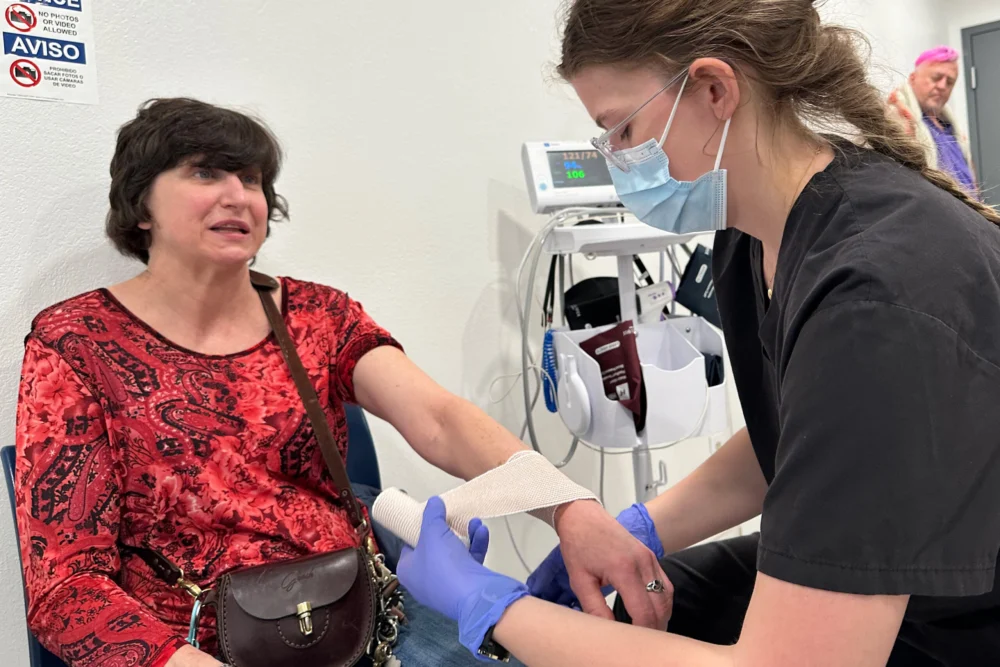
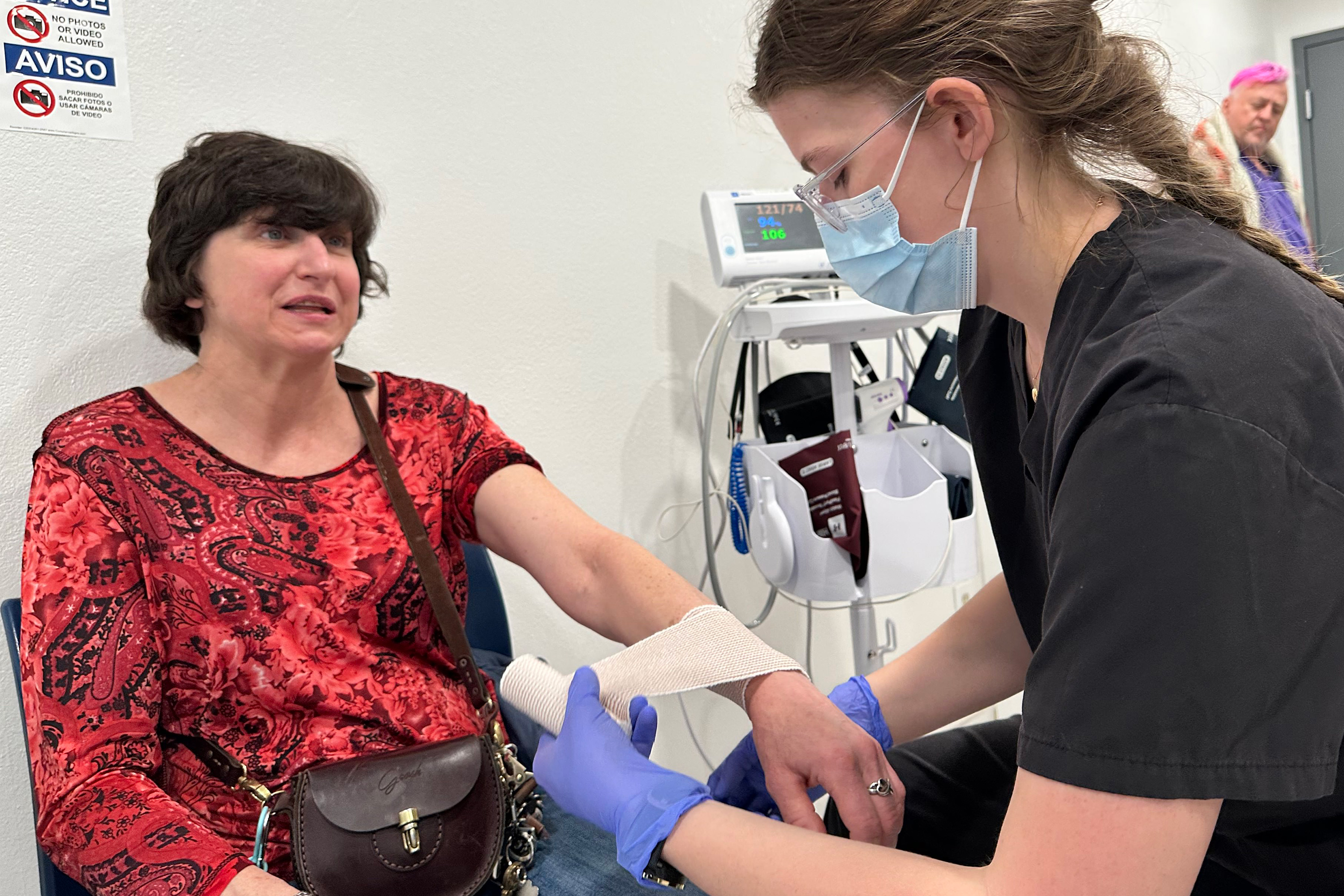
Jamie Mangum, a resident of the MVP facility who is in her early 50s and battling lung cancer, shared a personal anecdote that highlights the profound difference such a specialized shelter can make. After a fall in her room, she needed immediate medical attention for a swollen wrist. Instead of facing a lengthy wait or the burden of seeking external care, she was able to summon an on-site emergency medical technician by simply going downstairs. Her wrist was quickly bandaged, and she could return to her room, a stark contrast to her previous experiences in other shelters where she would have had to wait hours or independently arrange for emergency services. Beyond immediate care, specialized social workers at MVP have also assisted Mangum in navigating her cancer treatment, demonstrating a holistic approach to resident well-being.
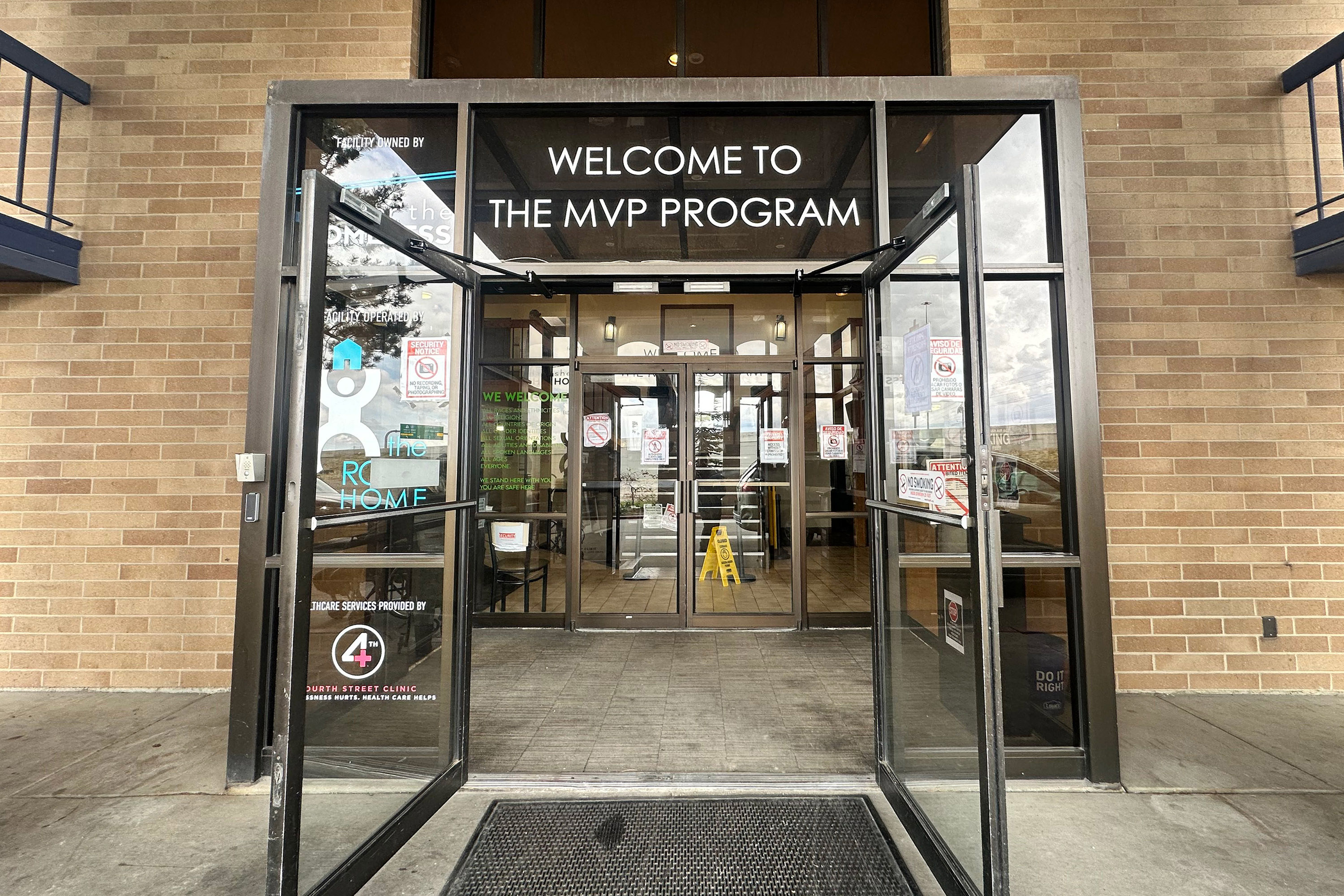
Baleigh Dellos, who manages the MVP shelter for The Road Home, a local nonprofit organization, emphasizes the diverse needs of their residents. "We have clients who require memory care," she explained. "Perhaps they were living independently before, but can no longer manage due to dementia or other reasons and were subsequently evicted." This underscores the necessity of a facility that can accommodate individuals with cognitive impairments and other progressive health issues, providing a safe environment where their conditions can be managed with dignity and expertise.
The MVP shelter is a testament to the power of integrated care. It employs specialized medical case managers and hosts weekly visits from primary care physicians and therapists. Residents can even receive physical therapy within the shelter’s private spaces, further reducing the logistical hurdles often associated with accessing healthcare. This comprehensive approach aims to stabilize residents’ health conditions, which is a crucial first step towards addressing other pressing needs.
A key partnership that enables this integrated care model is with the Fourth Street Clinic, which provides on-site medical services. Matt Haroldsen of Fourth Street Clinic noted that a primary need for new residents is assistance with medication management. For individuals experiencing homelessness, simply storing medications safely can be a significant challenge. "When they are in encampments, their medicine gets stolen," Haroldsen stated. The ability to securely store and manage medications is not only essential for health but also frees individuals to focus on other critical tasks, such as obtaining identification, applying for disability benefits, Social Security, and various programs that can lead to stable housing.
The challenges of managing chronic conditions like diabetes while experiencing homelessness are particularly acute. Haroldsen recounted instances where individuals with diabetes would bury their insulin in the ground to keep it cool, only to forget its location or find that the medication had spoiled due to temperature fluctuations. By providing a stable environment and access to proper storage and administration of medications, MVP helps to stabilize these conditions, preventing costly hospitalizations and improving overall quality of life.
The MVP model is not an isolated experiment; it represents a growing national trend. Local governments and nonprofits across Florida, California, and Arizona are establishing similar shelters to address the specific needs of older adults experiencing homelessness. Caitlin Synovec, deputy director of the National Health Care for the Homeless Council, stressed that access to specialized shelters can be a matter of life and death. In colder climates, denying shelter to seniors due to mobility issues or medical conditions can have fatal consequences. She cited a tragic case in Montana in 2022 where an older homeless man died from exposure after being turned away from a shelter due to incontinence.
Furthermore, complex medical needs can pose risks in traditional shelters that are not equipped to handle them. Synovec pointed out that some shelters prohibit residents who require oxygen due to fire safety concerns, illustrating the limitations of generic shelter models. Providing on-site medical care within shelters, she argues, is the most effective way to help seniors maintain stability once they secure housing. Health issues are a significant contributing factor to why many older adults struggle to afford or maintain housing.
The MVP model is demonstrating promising results, not only in Utah but also in other regions. Jacob Torner, vice president of programs at the Task Force for Ending Homelessness in Fort Lauderdale, Florida, which operates Elder Haven, reported that "more than 80% of the individuals who went through our program last year were able to move into stable or permanent housing." The MVP facility in Sandy has also seen considerable success, permanently housing 36 older adults by the end of last year.
Despite these successes, the demand for such specialized services far outstrips the available resources. Dellos noted that the MVP’s waiting list consistently hovers around 200 individuals. To manage this demand, the shelter prioritizes individuals with the most critical medical needs, rather than simply those who have been waiting the longest. This ensures that those most at risk receive immediate support.
The impact of these specialized shelters on individual lives is profound. Jeff Gregg, a 62-year-old resident of MVP, shared his journey of recovery. A long-standing back injury had led to a decades-long opioid addiction, a cycle he found nearly impossible to break while living on the streets. He explained that basic survival needs—finding food and shelter—often overshadowed his efforts to maintain sobriety. "Struggling with that, having a job, medical insurance, then losing the job, no insurance, ending up on the street, and back into that hell. And I’d end up in the same place," Gregg recounted.
At MVP, Gregg found a sanctuary where he could finally focus on his recovery. "I was able to get off the drugs. It took me a couple of months, but I was chipping away at it," he said. This newfound stability and support paved the way for him to undergo back surgery, alleviating his chronic pain. Gregg now hopes that with reduced pain, he can secure employment and rent an apartment, marking a significant step towards regaining his independence and dignity. The MVP model, with its integrated medical care and compassionate approach, is proving to be a critical pathway to stability and recovery for a vulnerable and growing segment of the homeless population.