
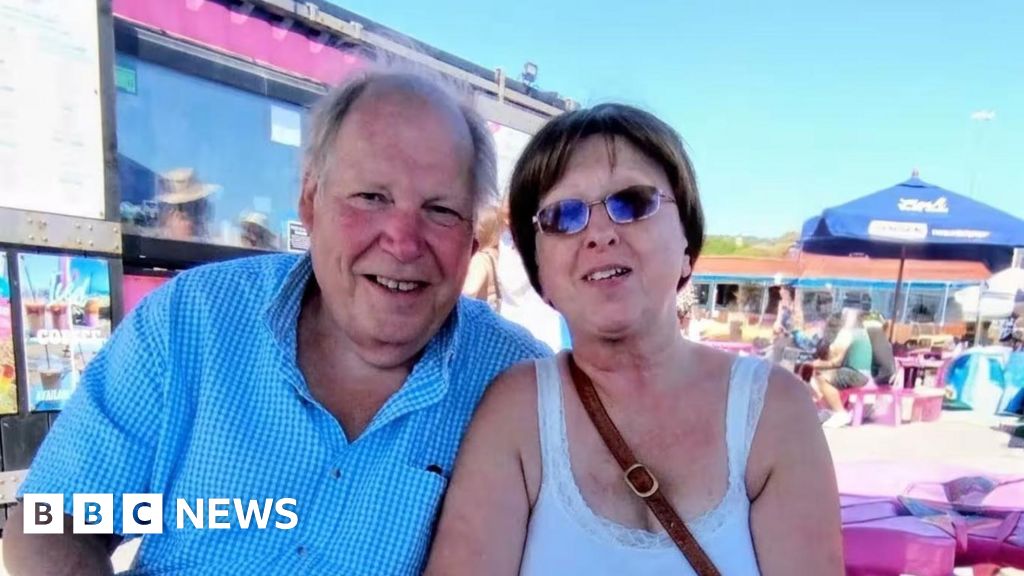
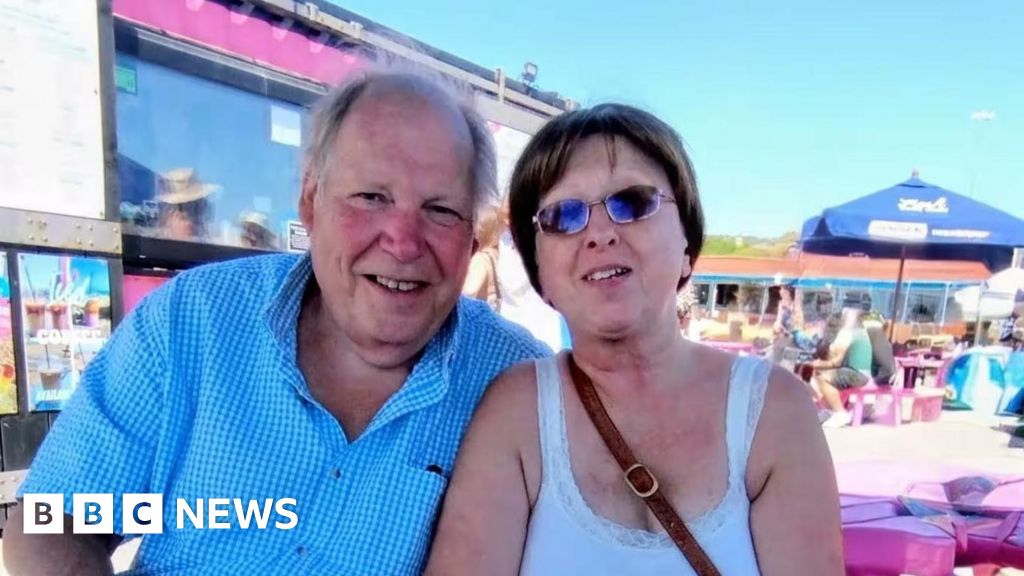
"Facing a life-altering diagnosis is daunting, but for one Kent couple, the challenge was compounded by a statistically improbable twist: both were diagnosed with kidney cancer, treated by the same surgeon, underscoring the unpredictable nature of health and the profound resilience of shared experience."
The enduring partnership of David and Jill Kenward, a couple from Greatstone, near New Romney, who have navigated life’s journey together for 44 years, has been tested by an extraordinary medical coincidence. In a turn of events that stunned medical professionals and the couple themselves, both David, 65, and Jill, 63, received the same diagnosis of kidney cancer, with tumours located on their left kidneys, and subsequently underwent identical robotic surgical procedures performed by the same specialist. This remarkable shared experience highlights not only the rarity of their situation but also the increasing importance of incidental findings in early cancer detection and the strength derived from mutual support during profound health challenges.
An Unforeseen Shared Diagnosis
The Kenwards’ journey into parallel cancer diagnoses began with Jill. At 63, she was undergoing treatment for breast cancer when an X-ray, part of her routine diagnostic work-up, unexpectedly revealed a 1cm tumour on her left kidney. This incidental discovery, made while addressing a separate medical concern, proved to be a critical early detection of kidney cancer. Following this finding, Jill was referred to Dr. Thomas Milan, a consultant urological surgeon at East Kent University Hospital, who successfully performed robotic surgery to remove the tumour. The procedure, known for its precision and minimally invasive nature, facilitated her recovery and allowed her to return to her life.
Two years later, the family faced a chilling sense of déjà vu. David, 65, was undergoing investigations for prostate cancer when a scan, much like Jill’s X-ray, uncovered a significant 6cm tumour on his left kidney. The parallels were striking: the same organ, the same side, and, remarkably, the same surgeon who had treated his wife. David recalled the surreal experience, stating, "I had so many visits with Jill when she was going through it, and then two years later I found myself sitting in the hot seat in the same room, and she was there for me." This shared understanding, born from direct experience, provided an unparalleled foundation of support. "Because we have both been through it, we don’t see it as a big deal really, we just get on with it," David reflected, a testament to their shared resilience. Both emphasized that they had experienced no discernible symptoms related to their kidney cancers, making their diagnoses a stroke of fortunate timing, a result of investigations for other, unrelated conditions.
The Medical Perspective: Rarity and Rising Incidence
Dr. Thomas Milan, the surgeon who operated on both David and Jill, underscored the extraordinary nature of their case. Having performed over 1,000 operations for kidney diseases, Dr. Milan stated, "To see a married couple both undergoing the same operation within a few years is extremely rare… this is the first time that I have encountered this." His observations also shed light on a broader trend: while kidney cancers are still considered "less common" compared to other malignancies, there is a noticeable "increase in cases." This rise is attributed to various factors, including an aging population, lifestyle changes, and, crucially, the increased use of advanced imaging technologies for unrelated conditions, which often leads to incidental discoveries of asymptomatic tumours.
Understanding Kidney Cancer and Robotic Surgery
Kidney cancer, specifically renal cell carcinoma (RCC), is among the top ten most common cancers in adults. Its prevalence is influenced by factors such as age, gender (more common in men), smoking, obesity, high blood pressure, and certain genetic conditions, though in many cases, like the Kenwards’, it appears sporadically. A significant challenge with kidney cancer is its often asymptomatic nature in early stages. Tumours can grow quite large before symptoms like blood in the urine (hematuria), persistent back or side pain, a lump in the abdomen, unexplained weight loss, or fatigue become apparent. This makes incidental findings, as experienced by David and Jill, particularly vital for early detection and improved prognosis.
The treatment for localized kidney cancer often involves surgery to remove the tumour or the entire kidney (nephrectomy). In the Kenwards’ case, both underwent robotic surgery, a testament to advancements in surgical techniques. Robotic-assisted laparoscopic surgery offers several advantages over traditional open surgery, including smaller incisions, reduced blood loss, less post-operative pain, shorter hospital stays, and quicker recovery times. For kidney tumours, especially those located peripherally or of smaller size, a partial nephrectomy—removing only the cancerous part of the kidney while preserving healthy tissue—is often the preferred approach. This preserves kidney function and reduces the risk of long-term kidney disease. Dr. Milan’s expertise in performing these precise operations was undoubtedly a significant factor in the successful outcomes for both David and Jill, enabling their "quite quick" recovery.
The Psychosocial Impact of a Shared Illness
Beyond the medical details, the Kenwards’ story offers a compelling insight into the psychological and emotional dynamics of a couple facing identical health crises. While any cancer diagnosis is profoundly challenging, sharing the exact same battle presents a unique blend of burdens and strengths. On one hand, the shared vulnerability can amplify anxiety, as each partner witnesses the other’s struggle, potentially reflecting their own. On the other hand, it fosters an unparalleled depth of empathy and understanding.
Jill had firsthand experience of the diagnosis, treatment, and recovery process, which allowed her to offer not just emotional comfort but also practical guidance and reassurance to David when he received his diagnosis. She understood the physical discomfort, the emotional toll, the medical jargon, and the recovery timeline in a way no one else could. Similarly, David’s support during Jill’s initial ordeal likely prepared him, albeit subconsciously, for his own journey. Their shared perspective—"we just get on with it"—is a powerful coping mechanism, rooted in mutual experience. It transforms the illness from an isolating personal battle into a shared project, reinforcing their bond forged over 44 years. This shared adversity can strengthen relationships, cultivating a profound sense of partnership and resilience that extends beyond the immediate medical challenge.
Broader Implications and Lessons Learned
The Kenwards’ extraordinary case serves as a poignant reminder of several critical aspects of modern healthcare. Firstly, it underscores the invaluable role of diagnostic imaging, even when performed for unrelated conditions, in uncovering silent diseases. For many, like David and Jill, these incidental findings are the only pathway to early detection of asymptomatic cancers, significantly improving treatment outcomes. Secondly, it highlights the continuous evolution of medical technology, with robotic surgery offering less invasive and more effective treatment options, contributing to faster recovery and better quality of life for patients.
Furthermore, their story is a testament to the power of human connection and mutual support in navigating life’s most challenging moments. While statistically rare, their shared diagnosis illuminates the universal human capacity for resilience, adaptation, and solidarity in the face of illness. It reinforces the notion that even in the most unexpected and daunting circumstances, a shared journey can transform an overwhelming burden into a testament to an enduring partnership.
As David and Jill continue their lives in Greatstone, their experience stands as a remarkable narrative of medical coincidence and enduring love. It’s a story that resonates far beyond their immediate community, offering hope and illustrating the profound impact of timely diagnosis and the strength that can be found in sharing life’s most unexpected battles, side by side.