
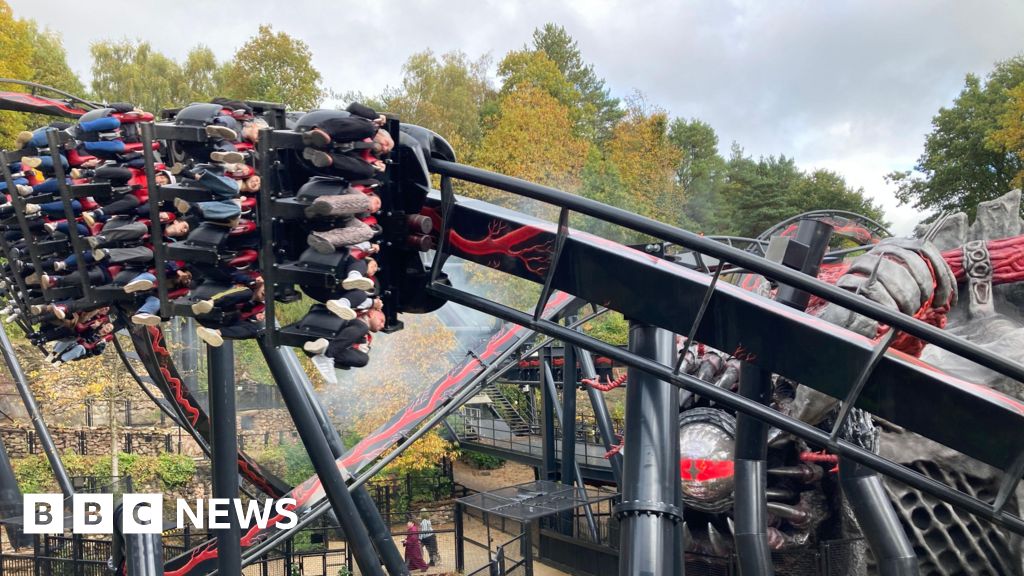
"A new trial policy by Merlin Entertainments will significantly restrict access to its disability queuing system at theme parks like Alton Towers, impacting neurodiverse individuals with conditions such as autism, ADHD, and anxiety, and sparking a critical dialogue about inclusive access and reasonable adjustments for invisible disabilities."
Merlin Entertainments, the operator behind popular UK attractions including Alton Towers, Chessington World of Adventures, and Legoland Windsor, has initiated a controversial trial during the February half-term that redefines eligibility for its crucial Ride Access Pass. This pilot scheme, set to be reviewed before the parks’ main season opening in March, specifically targets individuals whose primary challenge with queuing stems from "difficulty with crowds," a common issue for many neurodiverse guests. Previously, this criterion qualified visitors for the pass, which allows those with disabilities or medical needs to bypass conventional queues. The decision has drawn immediate criticism from disability advocates and affected families, who argue it represents a significant step back for accessibility and inclusion, potentially excluding a vulnerable segment of the population from enjoying theme park experiences.
The Ride Access Pass has long served as a vital mechanism for Merlin Entertainments to provide a more inclusive experience for visitors facing genuine difficulties with standard queuing procedures. Its core purpose is to mitigate the physical and psychological challenges that can make a traditional queue line insurmountable for individuals with various disabilities. However, Merlin states that the system has come under increasing strain due to a rising number of pass requests, leading to extended wait times even for those using the access pass. In response, the company aims to "optimise" the system, but the chosen method of restriction has ignited a fierce debate.
Under the trial, eligibility for the Ride Access Pass is narrowed significantly. Only those demonstrating "difficulty standing," requiring "level access," or having "urgent toilet needs" will automatically qualify. Crucially, individuals whose primary need for the pass is "difficulty with crowds" – a category encompassing many with autism, ADHD, and anxiety – will now be directed to guest services for "personalised support" rather than being granted the pass directly. This change marks a departure from previous policy and raises serious questions about the nature and efficacy of this alternative "support" compared to the direct benefit of the access pass.
For neurodiverse individuals, the challenges presented by large crowds and extended queues are profound and distinct from mere impatience. Conditions like autism and ADHD often involve sensory processing differences, where the cacophony of sounds, sights, and close proximity of other people in a crowded queue can quickly lead to sensory overload. This can manifest as intense distress, meltdowns, panic attacks, or severe anxiety, making the environment unbearable and unsafe. Similarly, individuals with ADHD may struggle with the sustained focus and stillness required for queuing, experiencing an overwhelming need to move, fidget, or escape the confined space. These are not preferences but neurological realities that severely impede participation in typical public activities.
Henry Shelford, chief executive of the ADHD UK charity, powerfully articulated this distinction, stating, "a group of people will be excluded because of this lack of accommodation." He emphasized that the difficulty faced by children and adults with ADHD in queuing is fundamentally different from a general dislike of waiting. "When a kid has ADHD, their energy and their focus makes [queuing] just impossible," Shelford explained, drawing on his own experience as an adult with ADHD. "I have a need to move all the time, and being penned in in that way is very difficult for me as an adult. And it’s near impossible for children and others." His remarks underscore the disabling nature of queuing for this demographic and the severe impact of withdrawing a crucial accommodation.
The policy change also highlights a socioeconomic disparity. While the Ride Access Pass was a free service for eligible disabled guests, Alton Towers and other Merlin parks offer a "Fastrack" pass that allows visitors to skip queues for an additional charge, starting at approximately £35 per person on top of the regular ticket price. For families now excluded from the free disability pass, the only alternative to conventional queuing is to incur significant extra costs, effectively making accessibility a luxury rather than a right. This commercial alternative raises concerns about equitable access, as it places a financial burden on families who already face higher costs associated with disability.
This shift in Merlin’s policy follows an update by Nimbus Disability, a provider of the widely recognised Access Card, which many attractions use to verify disability status. Nimbus recently refined its "standing and queuing" card section into two distinct symbols: "difficulty standing" (indicating a physical need) and "difficulty with crowds" (often linked to neurodivergence or anxiety). Merlin Entertainments’ trial specifically targets those whose Nimbus card displays only the "difficulty with crowds" icon, making a clear link between the new categorization and the reduced access. This external change, while aiming for greater clarity in disability identification, has inadvertently become a catalyst for more restrictive policies at major attractions.
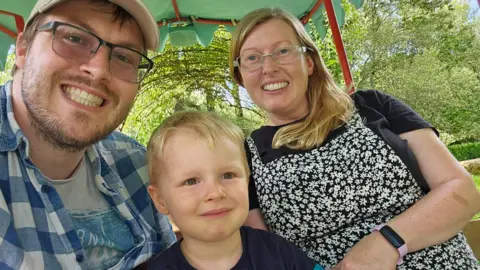
The personal stories emerging from this policy change underscore its profound human impact. Jonathan and Cheryl Willis, who contacted BBC Your Voice, expressed their devastation regarding the new restrictions. Their five-year-old son, Joshua, who has autism and mobility issues, considers Alton Towers his "special place" due to his particular interest in rollercoasters. However, under the new Nimbus card scheme, Joshua was only allocated the "difficulty with crowds" icon, rendering him ineligible for the Ride Access Pass during the trial. His parents are adamant that he will be unable to cope with main queues. Cheryl highlighted the broader significance of these outings for Joshua, who struggles to leave the house and is not currently in nursery or school. "He’s learning to be out and about in the world," she stated, adding, "They don’t understand how massive a problem this is causing to people like us." This powerful testimony illustrates how the seemingly minor adjustment of a queuing system can dismantle crucial opportunities for social engagement and personal development for disabled children and their families.
In response to the growing outcry, Rob Smith, Chief Operating Officer at Merlin Entertainments, acknowledged the "growing demand" that had led to issues with the existing pass system. He also recognized that the suggested eligibility changes had "raised concerns for some guests." Smith reiterated Merlin’s commitment to supporting neurodiverse guests and those with mental health needs, stating, "We are listening carefully to this feedback and are committed to keeping this approach under review ahead of our main season openings in March." He concluded by affirming the company’s deep commitment "to creating inclusive experiences and ensuring all guests feel supported when visiting our attractions."
While Merlin’s commitment to review the policy is a positive step, the trial period itself has already caused distress and disruption. The situation raises fundamental questions about the interpretation of "reasonable adjustments" under disability discrimination laws, such as the Equality Act 2010 in the UK. These laws mandate that service providers make reasonable adjustments to ensure disabled people are not substantially disadvantaged compared to non-disabled people. Critics argue that removing an existing, effective adjustment for a significant group of disabled individuals, without a demonstrably equivalent alternative, could be seen as a failure to meet these obligations.
The challenge for large entertainment venues lies in balancing operational efficiency, safety, and the commercial imperative with their ethical and legal responsibilities towards accessibility. While managing crowd flow and ensuring that disability access systems are not misused is a legitimate concern, the current trial’s approach has been criticized for casting too wide a net, penalizing genuinely disabled individuals whose needs are invisible but profound. The "personalised support" offered at guest services remains vaguely defined, leading to fears that it may not provide the same level of accommodation or dignity as the Ride Access Pass.
The discourse surrounding this policy change underscores the ongoing evolution of understanding around disability, particularly invisible conditions like neurodivergence and mental health challenges. As society strives for greater inclusion, the onus is on businesses to develop solutions that are both practical for their operations and truly inclusive for all their potential customers. The Alton Towers trial serves as a critical reminder that accessibility is not a static concept but requires continuous engagement, empathy, and a willingness to adapt policies to meet the diverse needs of the disabled community. The upcoming review in March will be pivotal in determining whether Merlin Entertainments can navigate these complex issues to deliver on its stated commitment to inclusive experiences.