
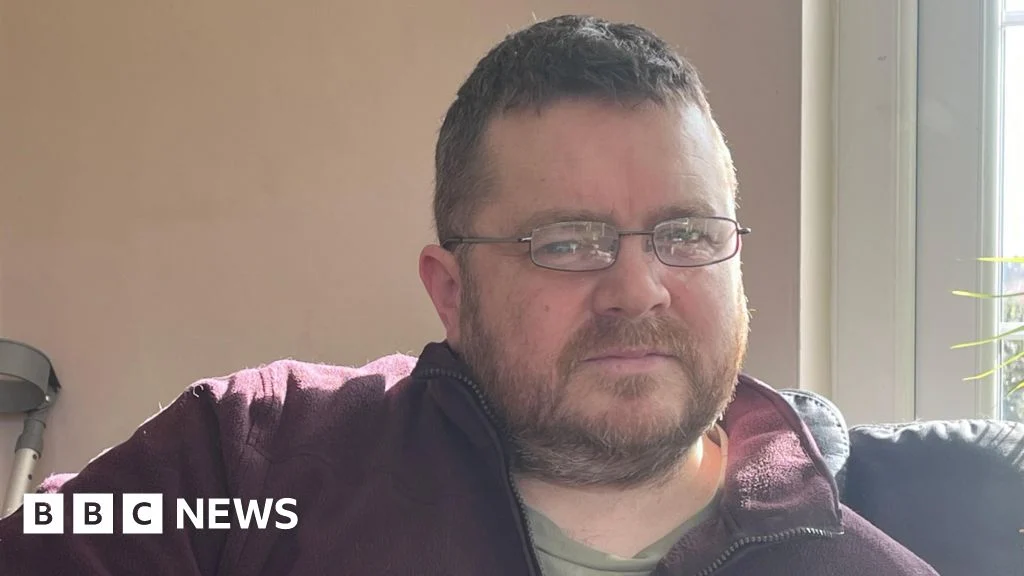
"The swift, devastating onset of bacterial meningitis, often without the tell-tale rash, underscores the urgent need for widespread symptom recognition. Mark McNamee’s harrowing journey from a simple earache to an induced coma serves as a stark reminder that this life-threatening infection can strike adults with profound and lasting consequences, demanding immediate medical attention."
The recent experience of Mark McNamee, an Omagh man who battled bacterial meningitis in January 2026, casts a critical light on the insidious nature of this severe infection and the often-misunderstood spectrum of its symptoms. His miraculous survival, after enduring an induced coma and extensive intensive care, highlights the profound impact such an illness can have on an individual and their family, while also drawing attention to a broader public health concern regarding recent outbreaks in the UK. McNamee’s story serves as a powerful testament to the unpredictability of bacterial meningitis, challenging common misconceptions about who is susceptible and emphasizing the vital importance of rapid diagnosis and intervention.
Mark McNamee’s ordeal began innocently enough with what he presumed was a routine ailment: a sore ear accompanied by a fever. Unbeknownst to him, these seemingly benign symptoms were the prelude to a life-threatening condition that would plunge him into an induced coma and leave him fighting for survival. He awoke in the South West Acute Hospital (Swah) in Enniskillen, County Fermanagh, days later, grappling with the disorienting reality that he had been diagnosed with bacterial meningitis, an infection that inflames the protective membranes surrounding the brain and spinal cord. The sheer speed of its progression was "mind-blowing," transforming a simple ear infection into a critical, near-fatal illness.
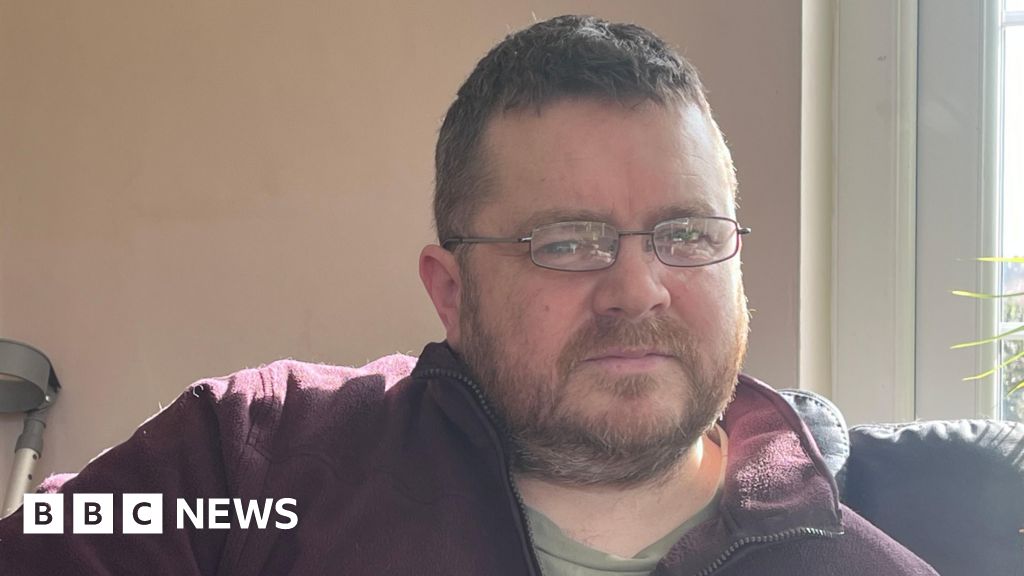
His wife, Ellen, recounted the terrifying speed with which Mark’s condition deteriorated. What started as an earache rapidly escalated to include fever, severe headaches, dizziness, vomiting, and profound confusion. These classic symptoms, indicative of a severe neurological infection, prompted an urgent ambulance transfer to Swah. Ellen, observing her husband’s rapid decline, initially suspected sepsis, a life-threatening response to infection. However, the true diagnosis, confirmed after a CT scan revealed brain inflammation, was bacterial meningitis – a revelation that shocked her, as like many, she believed such a severe form of the disease primarily affected children. This common misconception often leads to delayed recognition in adults, costing precious time in a condition where every hour counts.
Bacterial meningitis is a medical emergency that can lead to severe brain damage, hearing loss, learning disabilities, or even death if not treated promptly with powerful antibiotics. Unlike viral meningitis, which is often milder, bacterial strains are far more aggressive and require immediate medical attention. Bacteria such can enter the bloodstream and travel to the brain and spinal cord, or directly infect the meninges if there is an open wound or a severe infection nearby, such as a severe ear infection like Mark’s. The inflammation caused by the bacteria can quickly lead to swelling of the brain, increasing intracranial pressure and leading to the severe neurological symptoms Mark experienced.
A crucial aspect of Mark’s case, and one that his wife Ellen was keen to highlight, was the absence of the characteristic purpuric rash. This non-blanching rash, often described as small, red or purple spots that do not fade when pressed, is widely recognized as a warning sign for meningococcal disease (a common cause of bacterial meningitis). However, as Ellen learned from medical staff and Mark’s own experience, this rash does not appear in all cases of bacterial meningitis. Mark exhibited other critical symptoms, including a stiff neck and sensitivity to bright lights (photophobia), alongside the confusion and severe headaches. The over-reliance on the presence of a rash can be dangerously misleading, delaying vital medical assessment and treatment. Public health campaigns increasingly emphasize that a rash is just one possible symptom among many, and its absence should never deter seeking urgent medical help if other symptoms are present.
Adding another layer of complexity to Mark’s critical condition, he also developed encephalitis, an inflammation of the brain itself, secondary to the meningitis. This complication, often referred to as meningoencephalitis when occurring alongside meningitis, can significantly worsen outcomes and lead to more severe neurological damage. The combined assault on his central nervous system meant Mark’s fight for survival was particularly challenging, requiring an induced coma to protect his brain and allow his body to focus on fighting the infection under controlled conditions in the Intensive Care Unit (ICU).

For Ellen, the days Mark spent in the coma and his subsequent two weeks in ICU were a living nightmare. The fear of raising their children alone loomed large as doctors fought to stabilize him. She described being on "autopilot," a common coping mechanism for families facing such unimaginable stress. The revelation that Mark had contracted "the most severe strain" of bacterial meningitis only amplified their terror. The emotional toll was immense, with Ellen praying constantly and taking each day as it came, unable to predict the outcome.
The recovery process after coming out of an induced coma is often protracted and fraught with uncertainty. When Mark was first roused, his response was not what doctors and his family had hoped for. Ellen recounted the heartbreaking experience of seeing him awake but unresponsive, unable to move his limbs, nod, or speak. He merely lay looking, a state that deeply worried the medical staff. In the initial days post-coma, Mark exhibited symptoms akin to "somebody with severe Alzheimer’s," a distressing manifestation of the brain’s struggle to recover from profound inflammation and injury. This period of cognitive impairment and unresponsiveness highlighted the unknown extent of potential brain damage, a terrifying waiting game for his family.
Months later, Mark is profoundly grateful to be alive, but the battle with bacterial meningitis has left an indelible mark. His life, and that of his family, has been irrevocably altered. He now contends with a range of debilitating long-term sequelae that significantly impact his daily life. These include persistent memory issues, impaired eyesight, problems with balance, and disrupted sleep patterns. Severe headaches continue to plague him, and his hearing has become acutely sensitive. The frustration of these limitations is palpable, particularly for an individual who values an active life and his career as an engineer. While he hopes to return to work, the uncertainty of his full recovery casts a shadow over his future, forcing him to take each day as it comes.
Ellen attests to the "big impact on our family, mentally and just in every way." Mark’s anxiety has significantly heightened, and he is understandably "very wary of the children being sick," a natural protective instinct born from his own near-fatal experience. The journey through such a severe illness often leaves psychological scars, including post-traumatic stress disorder (PTSD) and heightened health anxiety, requiring ongoing support and resilience from both the patient and their loved ones.

Mark’s case resonates with a wider public health alert recently issued by the UK Health Security Agency (UKHSA). This urgent warning to health workers was prompted by the investigation of 20 suspected cases of bacterial meningitis, tragically including two fatalities, across England. Such alerts underscore the ongoing threat posed by bacterial meningitis, even in populations that benefit from robust vaccination programs against certain strains. While vaccines like MenACWY and MenB have dramatically reduced cases, not all strains are covered, and vigilance remains paramount. The UKHSA’s call for heightened awareness among clinicians reinforces the need for prompt recognition of symptoms, particularly atypical presentations, to ensure rapid diagnosis and treatment that can be life-saving.
Mark McNamee’s harrowing experience serves as a powerful reminder that bacterial meningitis is a relentless and unforgiving disease that can strike anyone, regardless of age, often with little warning. His story underscores the critical importance of public awareness campaigns that educate individuals about the full spectrum of symptoms, particularly that the absence of a rash does not rule out the diagnosis. It is a testament to the dedication of healthcare professionals at Swah, to whom Mark and Ellen express immense gratitude, and a stark warning that rapid medical intervention remains the most crucial factor in mitigating the devastating impact of this severe infection. For Mark, every day is a step forward, a testament to his resilience, and a poignant reminder of the preciousness of life.