
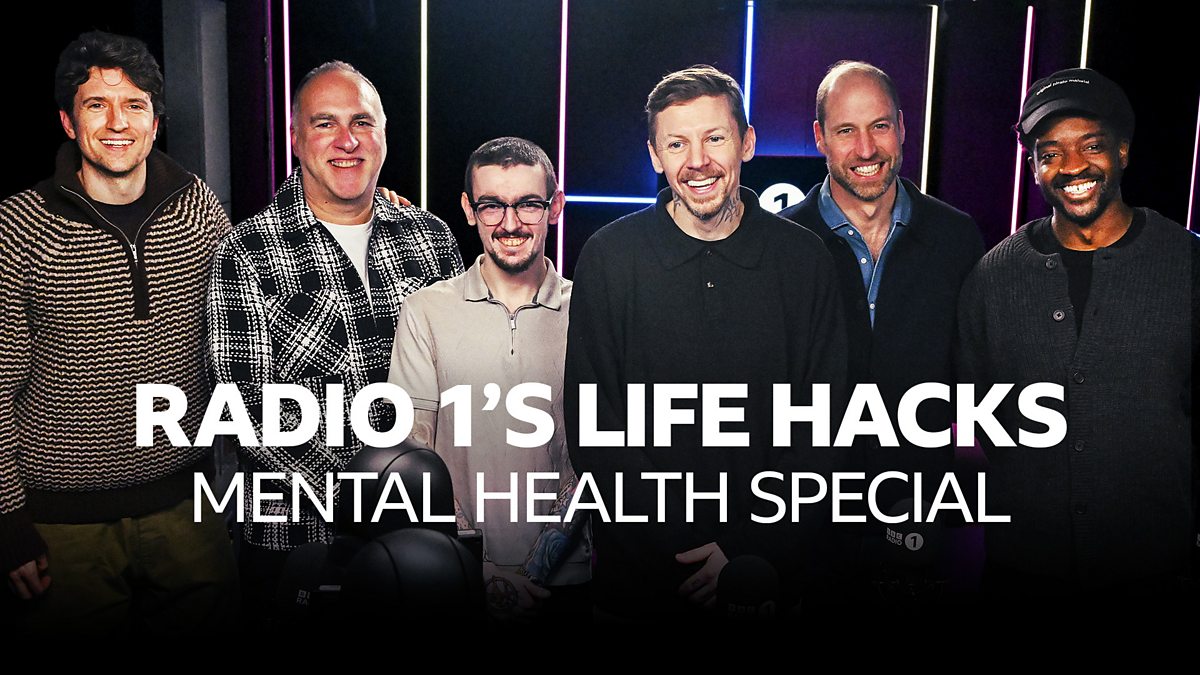
"A crucial BBC Radio 1 ‘Life Hacks’ special, hosted by Greg James, confronts the sensitive and vital issues surrounding male mental health and suicide, aiming to break down barriers and foster open discussion."
This episode represents a significant effort by BBC Radio 1 to address one of the most pressing public health challenges today. With its focus on male mental health and the sensitive topic of suicide, the program, led by presenter Greg James and featuring a panel of guests, underscores the urgent need for frank conversations. By bringing these discussions to a broad audience, particularly its younger demographic, the special seeks to demystify mental health struggles and encourage men to seek support, highlighting that these are not issues to be faced in silence. The program’s availability on BBC iPlayer ensures broad access, reinforcing the BBC’s commitment to public service broadcasting and societal well-being.
The "Life Hacks" program on BBC Radio 1 has long served as a vital platform for young people, tackling an array of real-life issues with an accessible and relatable approach. From navigating career choices to understanding relationships, the show’s mission has consistently been to provide guidance, information, and a sense of community for its audience. This dedicated special, delving into the complexities of male mental health and suicide, aligns perfectly with the program’s foundational ethos of addressing critical topics that directly impact its listeners’ lives. By selecting such a profound and often stigmatized subject, "Life Hacks" reaffirms its role not just as an entertainment provider, but as a public service entity committed to fostering well-being.
The gravity of male mental health cannot be overstated. Globally, men are disproportionately affected by suicide, with rates often significantly higher than those for women across various age groups. This alarming statistic points to a deeper societal issue: the entrenched stigma surrounding male vulnerability and emotional expression. Traditional notions of masculinity often dictate that men should be strong, stoic, and self-reliant, discouraging them from admitting weakness or seeking help for mental health struggles. This cultural conditioning can lead to men suffering in silence, internalizing their pain, and avoiding professional support until they reach a crisis point. The consequences are dire, contributing not only to higher suicide rates but also to under-diagnosis and under-treatment of conditions like depression, anxiety, and substance abuse among men.
In this context, the role of media, particularly public service broadcasters like the BBC, becomes indispensable. Programs such as the "Life Hacks" special possess the unique power to penetrate these societal barriers. By featuring prominent and relatable figures like Greg James, the discussion gains immediate credibility and appeal, encouraging a wider audience to engage with a topic they might otherwise avoid. James, known for his approachable style, can help to normalize these conversations, making them feel less intimidating and more accessible. The presence of a "panel of guests" further enriches the discourse, likely bringing diverse perspectives from experts, individuals with lived experience, or advocates, thereby offering a multi-faceted view of male mental health challenges and potential pathways to recovery.
One of the most significant challenges men face is articulating their emotions. Often, mental distress in men manifests not as sadness but as anger, irritability, aggression, or a tendency to engage in risky behaviours, including increased alcohol or drug use. These coping mechanisms can further isolate them and exacerbate their underlying issues, making it harder for friends, family, or even themselves to recognize the signs of mental health problems. The "Life Hacks" special, by creating a dedicated space for sensitive discussion, provides a crucial opportunity to shed light on these less obvious manifestations of distress. It can equip listeners with the knowledge to identify warning signs in themselves and others, fostering an environment where seeking help is viewed as an act of strength and self-preservation, rather than a sign of weakness.
The importance of open dialogue and robust support systems is paramount. Programs like this serve as a vital catalyst for encouraging peer support networks, promoting professional help through therapy and counselling, and emphasizing the critical role of friends, family, and community in identifying and supporting individuals in distress. By openly discussing suicide, the program can help to demystify it, reducing the fear and shame that often prevent individuals from reaching out. It can also provide crucial signposting to mental health resources and charities, ensuring that those affected know where to turn for immediate and ongoing support. For many listeners, this episode might be the first time they hear these sensitive topics discussed openly and empathetically, potentially inspiring them to reflect on their own mental health or to reach out to a loved one.
The BBC’s commitment to public service is further underscored by the "Contains adult themes" warning accompanying the program. This responsible approach acknowledges the sensitive nature of the content and prepares the audience for potentially challenging discussions, reflecting the broadcaster’s duty of care. The availability of the episode on BBC iPlayer extends its reach significantly, allowing individuals to access the content at their convenience, re-watch segments, or share it with others. While the specific episode may not currently offer Audio Described or Sign Language versions, the presence of these options for other BBC content, as indicated by the platform’s user interface, highlights the BBC’s broader commitment to accessibility and inclusivity, striving to make its valuable programming available to the widest possible audience.
Beyond this singular episode, the "Life Hacks" special contributes to a broader, ongoing national and international conversation about mental health. It reinforces the message that mental health is as important as physical health and that struggles are a part of the human experience, not a personal failing. By continuously integrating such vital discussions into mainstream programming, public service broadcasters help to chip away at the systemic issues that perpetuate mental health crises. The lasting impact of such an initiative lies not just in the immediate listenership, but in the ripple effect it creates—encouraging more people to talk, more support systems to emerge, and more individuals to seek the help they deserve. Ultimately, this "Life Hacks" special is more than just a radio program; it is a critical intervention, an educational tool, and a beacon of hope for those navigating the often-silent struggles of male mental health.