

"Masturbation is more than a momentary release; it is a vital tool for pelvic health, stress management, and sexual self-discovery that benefits from the same intentionality as any other physical wellness practice."
While often relegated to a hushed or utilitarian role in daily life, masturbation serves as a complex physiological event with profound implications for long-term health. Moving beyond the "quick release" requires an understanding of how the nervous system, pelvic musculature, and endocrine system interact to provide benefits ranging from improved sleep and immune function to enhanced erectile longevity and relationship intimacy.
The Physiology of Solo Sex
According to data from a 2024 Bedbible survey, the average man spends approximately 46 hours a year masturbating. Despite the frequency of this activity, most men rely on techniques developed in adolescence, prioritizing efficiency over exploration. However, medical experts suggest that viewing masturbation through a lens of "sexual fitness" can unlock significant health perks.

Dr. Yudara Kularathne, consultant physician and CEO of HeHealth, notes that during the process of masturbation, the body undergoes a series of notable physiological changes. Heart rate increases and blood flow is redirected to the genitals, but the most significant impact occurs in the brain. The release of a neurochemical cocktail—including endorphins, oxytocin, and prolactin—promotes deep relaxation, improves sleep quality, and supports overall psychological well-being. Furthermore, the surge of feel-good hormones during orgasm acts as a natural analgesic, helping to mitigate stress and physical pain.
Beyond the immediate mood boost, the physical act of masturbation offers structural benefits. Dr. Paul Gittens, a board-certified urologist and founder of The Rockwell Center for Sexual Health, explains that the contractions associated with orgasm exercise the pelvic floor muscles. Much like any other muscle group, the pelvic floor requires regular engagement to maintain its integrity. Strengthening these muscles is a proactive step toward supporting erectile function and preventing urinary incontinence as men age.
The Problem of Pattern Rigidity
A common hurdle in male sexual health is what therapists call "pattern rigidity." Jon Prezant, a New York-based sex and couples therapist, describes this as the tendency to repeat the exact same routine with the sole goal of finishing quickly. Over time, the nervous system habituates to this specific stimulus. A technique that felt intense at age 20 may feel muted by age 35, not because of a medical pathology, but because the body has become desensitized to a repetitive loop.
To break this plateau, sexual health experts recommend a variety of upgrades designed to retrain the nervous system and enhance the physical experience.
1. Environmental and Positional Shifts
Simple environmental changes can drastically alter the sensory experience. Dr. Uchenna Ossai, a pelvic health physical therapist and sexuality educator, suggests that changing positions—such as standing instead of lying down—can improve the resting tone of the pelvic floor and increase blood flow to the penis. These shifts disrupt the "autopilot" mode of the brain and force the body to process new sensations.
2. The Post-Workout Window
Integrating masturbation into a fitness recovery routine can be highly effective. Following exercise, endorphin levels are elevated, blood circulation is optimized, and pelvic floor muscles are naturally more relaxed. Utilizing this window allows for a more mindful experience, where the individual can focus on the nuances of sensation rather than rushing toward a conclusion.
3. Pressure and Speed Calibration
One of the most common issues in male masturbation is the "death grip"—applying excessive pressure that cannot be replicated during partnered sex. This can lead to delayed ejaculation or difficulty reaching orgasm with a partner. Prezant advises men to consciously alternate between firm and light pressure, varying the rhythm and stroke length to keep the nervous system responsive to a broader range of touch.
4. The Role of Lubrication
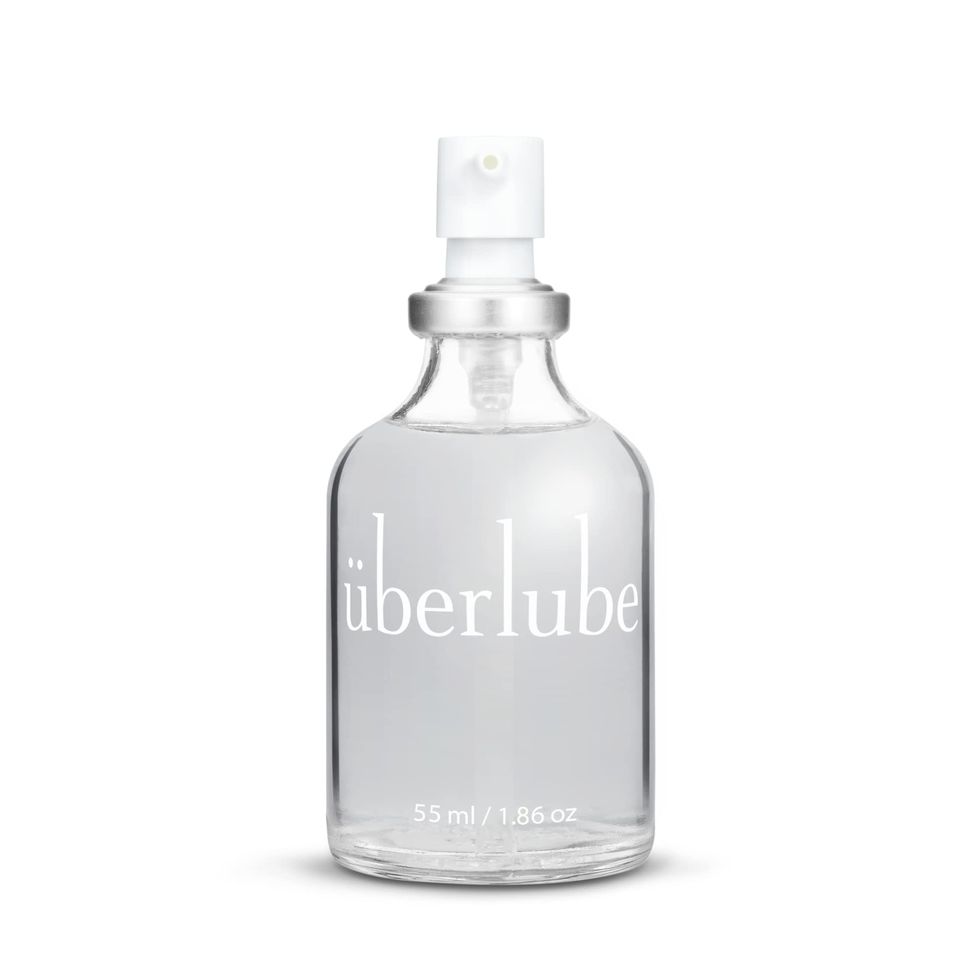
Lubrication is often overlooked but remains a critical tool for sensation management. Heather England, PhD, a sex therapist, points out that high-quality lube reduces friction-related desensitization and skin irritation. For solo play, silicone-based lubricants are often preferred for their longevity, though water-based formulas are necessary when using silicone-based toys to prevent material degradation.

5. Incorporating External Stimulation
The use of masturbation sleeves and vibrators can serve as "rehabilitation" for those who have become desensitized to hand touch. Sleeves provide a more distributed, uniform pressure that mimics the sensation of partnered sex. Vibrators, long associated primarily with female pleasure, are increasingly recognized as effective tools for men. Sex and intimacy coach Court Vox explains that vibration interrupts "idiosyncratic" patterns, stimulating nerve endings along the shaft and base that are often ignored during traditional stroking.
6. The Perineum and Prostate
The perineum, the area between the scrotum and the anus, is a significant hotspot due to its proximity to the prostate and the base of the penis. Applying steady, rhythmic pressure to this area can intensify the climax. For those willing to explore further, prostate stimulation offers a different category of sensation. As Prezant clarifies, the prostate is a nerve-rich gland present in all male bodies; its stimulation is a matter of anatomy and biology, providing access to deeper, more intense orgasmic experiences.
7. Erectile Support and Stamina
Cock rings are an accessible way to enhance erection firmness and duration by gently restricting blood outflow from the penis. This can lead to a different kind of buildup and a more powerful finish. Additionally, the practice of "edging"—bringing oneself to the brink of orgasm before backing off—is a recognized technique for building sexual stamina and increasing body awareness. This practice helps men understand their "arousal arc," which is particularly beneficial for those dealing with premature ejaculation.
8. Cognitive and Psychological Upgrades
Sexual pleasure is as much mental as it is physical. Experts recommend moving away from a total reliance on porn, which can lead to a passive, scripted experience. Instead, utilizing imagination and fantasy puts the individual back in control of the narrative and pacing. This mental flexibility can lead to more creative and fulfilling sexual encounters, both solo and with partners.

9. Mindfulness and Breathwork
The "cheapest" yet most effective upgrade is the integration of mindfulness. By focusing on deep breathing and staying present in the body, men can prevent the intrusive thoughts—such as work stress or "to-do" lists—that often truncate the pleasure of the experience. Scheduling time for a session, rather than squeezing it into a five-minute window, allows the nervous system to fully engage with the various stages of arousal.
10. Vocalization
Finally, experts encourage men to break the habit of masturbating in complete silence. Vocalizing—whether through deep breathing or moaning—allows for a more "indulgent" and less contained experience. Prezant notes that men who are silent during solo sex often carry that silence into partnered encounters, which can be misread as disengagement. Learning to be vocal during masturbation can improve communication and intimacy in a relationship.
Conclusion
Masturbation is a foundational aspect of male sexual health that deserves the same attention and "skill-building" as any other area of physical fitness. By breaking pattern rigidity, experimenting with new tools and techniques, and fostering a mindful connection to the body, men can transform a routine habit into a powerful tool for longevity, health, and satisfaction. Moving beyond the quick release isn’t just about feeling better in the moment; it is about maintaining a functional, responsive, and healthy body for a lifetime.