
"Prostate cancer is more than a clinical diagnosis; it is a profound challenge to a man’s identity that requires both medical vigilance and the courage to seek emotional support."
This statement underscores the dual nature of the prostate cancer experience—the physiological battle against the disease and the psychological struggle to maintain one’s sense of self. By examining the story of Dr. Henry H. Washington III, we see how proactive screening, family history awareness, and community engagement are vital components in changing the trajectory of men’s health, particularly within high-risk populations.
The Transition from Service to Survival
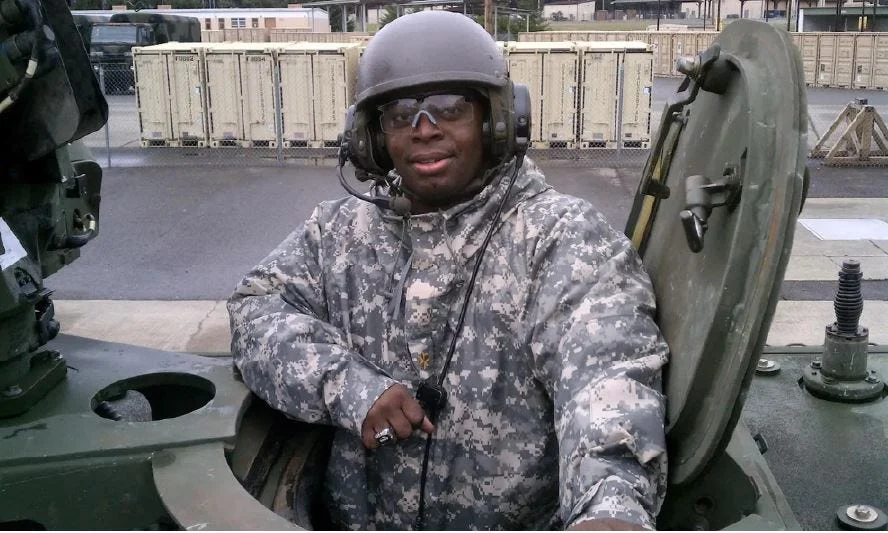
For many veterans, the transition from active military duty to civilian life is a period of significant adjustment, marked by a shift in routine, identity, and healthcare oversight. For Henry H. Washington III, PhD, who served in the U.S. Army for 25 years, this transition was interrupted by a life-altering medical revelation. During his routine outgoing physical—a standard procedure facilitated by the Veterans Administration (VA) for those departing the service—doctors identified an abnormality that led to a diagnosis of prostate cancer.
The irony of the timing was not lost on Washington. After a quarter-century of military service where physical readiness and resilience were paramount, he faced a different kind of adversary—one that was internal and silent. Despite a profound family history of the disease, the news was a seismic shock. Washington had already witnessed the devastating impact of prostate cancer firsthand, having lost both his father and grandfather to the illness. This legacy of loss created a complex emotional landscape; while he was intellectually aware of his risk, the reality of the diagnosis sparked a cascade of anger and vulnerability.
Understanding the Clinical Landscape of Prostate Cancer
Prostate cancer stands as the second most common cancer among men in the United States, surpassed only by skin cancer. Statistically, approximately one in eight men will receive a prostate cancer diagnosis during their lifetime. However, these statistics do not affect all populations equally. Epidemiological data consistently shows that Black men are at a significantly higher risk—roughly 70% more likely to be diagnosed and twice as likely to die from the disease compared to men of other racial backgrounds.
The prostate is a small, walnut-shaped gland in men that produces seminal fluid. Because of its location—nested below the bladder and in front of the rectum—malignancies in this area can interfere with several essential bodily functions. In its early stages, prostate cancer is often asymptomatic, meaning it can grow for years without the patient feeling any physical changes. This "silent" nature is why medical professionals emphasize the importance of screening.
Screening typically involves the Prostate-Specific Antigen (PSA) blood test and, in many cases, a Digital Rectal Exam (DRE). It is crucial to understand that these tests do not provide a definitive diagnosis of cancer; rather, they serve as indicators of potential issues. An elevated PSA level can be caused by various factors, including an enlarged prostate (benign prostatic hyperplasia) or inflammation (prostatitis). If screening results are concerning, physicians may recommend further diagnostic steps, such as an MRI or a prostate biopsy, which involves collecting tissue samples to be examined under a microscope.
Risk Factors and the Genetic Connection
The medical community has identified several key risk factors that necessitate increased vigilance. Age is the primary factor, as the risk rises significantly after age 50. Race also plays a pivotal role, with Black men and Caribbean men of African ancestry facing the highest risk. Geography is another factor, with the disease being most common in North America, Northwestern Europe, Australia, and the Caribbean islands.
However, as Washington’s story illustrates, family history is perhaps the most critical "red flag." Genetics play a substantial role in the development of prostate cancer. A man whose father or brother has had prostate cancer is twice as likely to develop the disease himself. This risk escalates if multiple relatives were diagnosed, particularly if those diagnoses occurred at a young age (before 55).
For Washington, this genetic predisposition was a constant presence in his life. His father had been an advocate for his health, "planting the seed" of the necessity for annual screenings. In many ways, the voice of the previous generation served as a life-saving internal compass. Even when Washington felt "invincible" due to his military background, the memory of his father’s insistence on being checked kept him compliant with medical screenings, ultimately leading to the detection of his cancer at a manageable stage.
The Psychological and Physical Toll of Treatment
The journey through prostate cancer does not end with the removal or treatment of the tumor. The aftermath of the disease often involves a "roller-coaster" of physical and emotional changes. Treatments—which can include surgery (prostatectomy), radiation therapy, hormone therapy, or chemotherapy—frequently result in side effects that impact urinary, bowel, and sexual functions.
For many men, these changes are not merely medical inconveniences; they are direct hits to their self-esteem and sense of masculinity. Washington speaks candidly about the "grief" associated with this process. "You are grieving the parts of your body that don’t work the same way as they did before," he notes. This sense of loss is often compounded by a societal expectation that men should remain stoic and silent about their health and emotions.
The psychological burden of prostate cancer can lead to isolation. The "invincibility" myth often prevents men from seeking the support they need, both from medical professionals and from their peers. Washington’s experience highlights a critical turning point: the realization that sharing his anger and vulnerability with others who understood his struggle was the only way to navigate the emotional turbulence of recovery.
Breaking the Stigma: Advocacy as a New Mission
Now more than a decade cancer-free, Washington has transformed his personal battle into a public mission. He recognizes that his experience provides him with a unique platform to reach other men, particularly those in the veteran and Black communities who may be hesitant to engage with the healthcare system or discuss "intimate" health concerns.
There is a significant cultural barrier regarding prostate health. Because the disease and its treatments affect sexual and urinary functions, it is often treated as a taboo subject. Washington aims to dismantle this stigma by being transparent about his own journey. By "putting himself out there," he creates a safe space for others to ask questions and seek help.
His advocacy work, often in partnership with organizations like Merck and ZeroCancer.org, emphasizes a proactive approach to health. The message is clear: understanding one’s risk is the first step toward survival. For those at high risk due to race or family history, the conversation about screening should begin as early as age 40 or 45.
Conclusion: A Legacy of Proactive Health
The story of Henry H. Washington III is a testament to the life-saving power of early detection and the importance of breaking the silence surrounding men’s health. His 25 years of military service taught him about discipline and combat, but his battle with cancer taught him about the strength found in vulnerability and the necessity of community.
As the medical community continues to refine screening guidelines and treatment options, the human element remains the most vital component. Personal narratives like Washington’s serve to humanize the statistics and provide a roadmap for others facing a similar diagnosis. The core takeaway for men is to listen to the "voices" of those who came before them, understand their genetic and racial risks, and take ownership of their health through regular screenings and open dialogue.
Prostate cancer is a formidable opponent, but through a combination of medical vigilance, emotional transparency, and a commitment to "paying it forward," survivors like Dr. Washington are ensuring that fewer men have to face the journey alone. His purpose has shifted from defending his country to defending the health and well-being of men everywhere, one conversation at a time.