
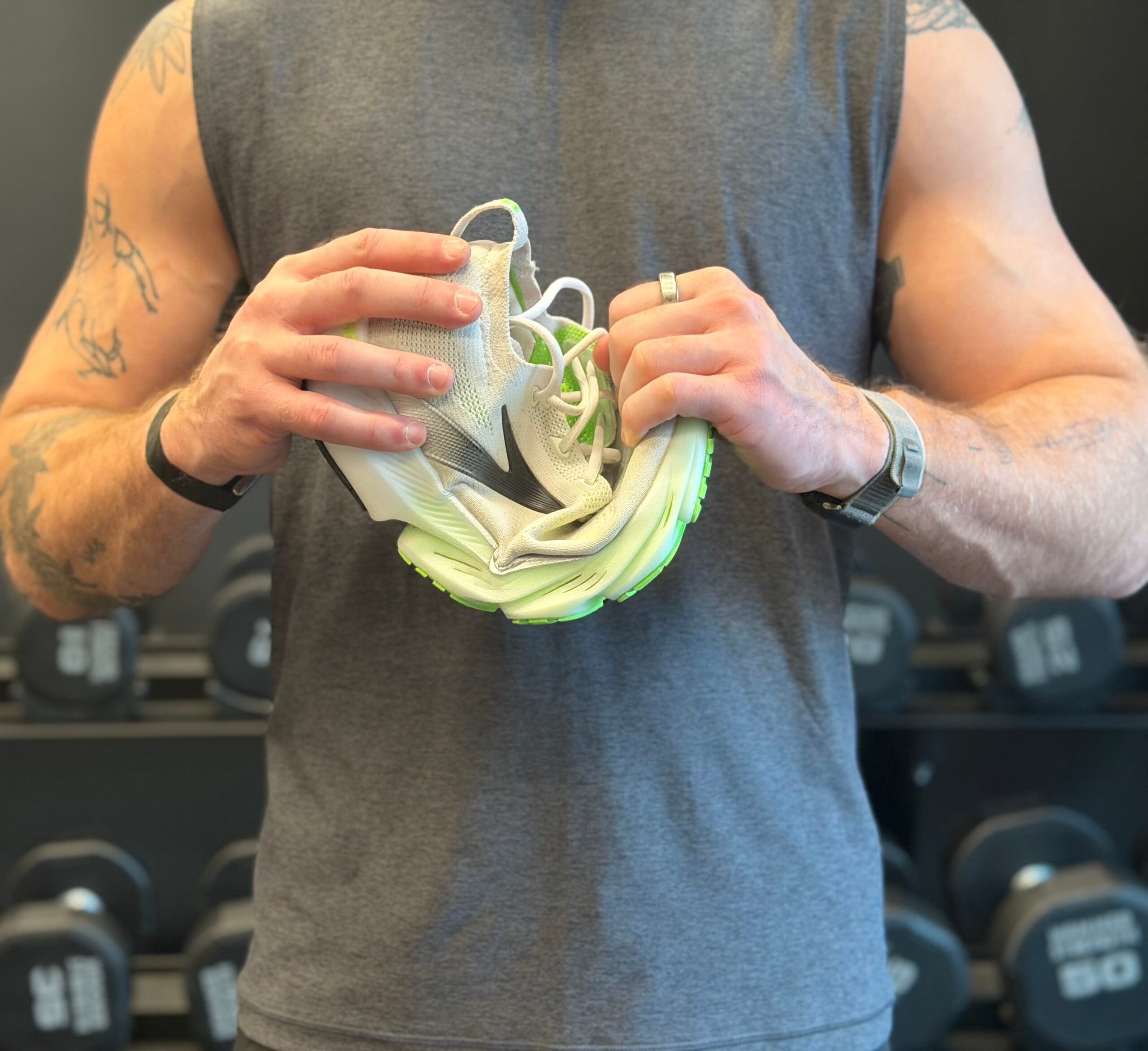
“The Brooks Glycerin Flex eschews the industry’s obsession with rigid, propulsive rockers in favor of a segmented, pliable sole that prioritizes natural foot movement and adaptable stability.”
The modern running shoe market is currently defined by a "bigger is better" philosophy, characterized by high-stack heights, carbon fiber plates, and aggressive rocker geometries designed to roll the runner forward. While these "super shoes" have revolutionized race day and recovery runs, they often sacrifice the foot’s natural ability to flex and adapt to the terrain. Brooks is attempting to disrupt this trajectory with the Glycerin Flex, a model that represents a decade of experimentation and a departure from the rigid structures that have come to dominate the road-running landscape.
The Evolution of the Flexible Trainer
For the past several years, the running industry has followed a predictable cadence. Manufacturers generally categorize their offerings into neutral trainers, stability shoes, or "super trainers" featuring max cushioning and propulsive plates. Outside of the niche "barefoot" or minimalist movement, there has been little innovation regarding the actual flexibility of the midsole. Brooks, a brand often perceived as conservative and reliable, is taking a calculated risk by introducing a shoe that moves with the wearer rather than forcing the wearer into a specific gait cycle.
The Glycerin Flex is the spiritual and technical successor to the Brooks Aurora BL, a limited-release "concept car" shoe that debuted several years ago. While the Aurora BL was a playground for Brooks’ BlueLine Lab—the brand’s innovation hub—the Glycerin Flex is the commercial realization of those experiments. It is designed for the runner who wants the premium, nitrogen-infused cushioning of a high-end trainer but desires a more "natural" feel that provides control and ground feedback.

Technical Specifications and Midsole Chemistry
At the heart of the Glycerin Flex is the DNA Tuned midsole. This nitrogen-infused foam is the same technology found in the award-winning Glycerin Max, but its application here is fundamentally different. Nitrogen infusion involves a process where the foam is "blown" with nitrogen under specific temperature and pressure conditions, creating a cell structure that is more consistent, lighter, and more responsive than traditional EVA (ethylene-vinyl acetate) foams.
The shoe features a 36 mm stack height in the heel with a 6 mm heel-to-toe drop. Despite the substantial amount of foam underfoot, the shoe remains impressively lightweight, tipping the scales at just 9.1 ounces. This weight-to-cushion ratio is a hallmark of nitrogen-infused midsoles, allowing for maximum impact protection without the "clunky" feel associated with older maximalist models.
The defining feature, however, is the "FlexZone." Brooks has implemented deep, segmented grooves that run from the midfoot through the forefoot. This segmentation allows the shoe to bend and twist in harmony with the foot’s various joints during the transition from mid-stance to toe-off. In an era where most shoes use a stiff forefoot to create a "rocker" effect, the FlexZone is a deliberate move in the opposite direction.
Upper Construction and Fit
While the midsole is the primary innovation, the upper of the Glycerin Flex follows a more traditional, albeit high-quality, design language. It utilizes a sock-like knit material intended to hug the foot securely. Unlike some knit uppers that can feel overly elastic or "sloppy" during high-speed turns, the Flex’s upper maintains its structure.
The tongue is a separate component rather than a fully gusseted bootie, a choice that enhances the ability to customize the lockdown and prevents the tongue from sliding during long efforts. This design ensures that while the bottom of the shoe is highly flexible, the top remains stable, providing a secure "cockpit" for the runner.

Road Performance: Control Over Propulsion
Testing the Glycerin Flex over 30 miles reveals a ride that is distinct from almost anything else in the current Brooks lineup. When compared to its sibling, the Glycerin Max, the Flex feels significantly less "bouncy." This is not to say it lacks energy return; rather, the energy is managed differently. In a rockered shoe, the foam and geometry work together to propel the runner forward like a mini-trampoline. In the Flex, the DNA Tuned foam acts more like a pliable shock absorber.
The most immediate sensation is one of control. Because the forefoot is segmented, the runner can feel the ground more intimately than in a stiff-soled shoe. This makes the Flex particularly adept at cornering and navigating urban environments. When turning a sharp corner on a city sidewalk, the shoe deforms and adapts to the lateral forces, whereas a rigid rocker might feel unstable or prone to "rolling" the ankle.
However, this focus on flexibility means the shoe lacks the "easy speed" found in modern super trainers. There is no mechanical assist pushing you into your next stride. For runners who have become accustomed to the aggressive roll of carbon-plated or high-rocker shoes, the Flex may initially feel like it requires more effort to maintain a fast pace. It is a shoe designed for the "basic run"—the daily miles where the goal is consistency and foot health rather than setting a personal best.
Real-World Durability and Weather Resistance
The Glycerin Flex was put to the test in the harsh conditions of a New York City winter, following significant snowfall and sub-zero wind chills. One of the standout surprises was the outsole traction. On surfaces slick with melting snow and ice, the segmented sole provided multiple points of contact, offering a level of grip that exceeded expectations for a standard road shoe.
Furthermore, the knit upper proved versatile. In temperatures dipping to -15 degrees Fahrenheit, the material was flexible enough to accommodate two pairs of socks for warmth without creating uncomfortable pressure points or restricting circulation. This adaptability suggests that the shoe is well-suited for runners in varying climates, though the knit material does have a tendency to hold onto dirt and grime, particularly in lighter colorways.

Versatility and the "Gym Cross-Over" Myth
There has been some discussion among enthusiasts regarding whether the Glycerin Flex could serve as a hybrid shoe for weight room workouts. Given its "flexibility," it might seem more suited for the gym than a standard high-stack runner. However, caution is advised. While the Flex is more stable than a "super shoe," it still features 36 mm of nitrogen-infused foam.
In exercises like squats, deadlifts, or overhead presses, stability is paramount. The very foam that makes the Flex comfortable for a 10-mile run creates an unstable platform under heavy loads. For upper-body days or general mobility work, the Flex is adequate, but it should not replace a dedicated lifting shoe or a more minimalist trainer for lower-body strength sessions.
The Verdict: A Unique Addition to the Rotation
At a retail price of $170, the Brooks Glycerin Flex sits at the premium end of the daily trainer market. It is a shoe that defies current trends, offering a "natural" ride for the runner who finds modern rocker geometries too intrusive or artificial.
Pros:
- Exceptional Flexibility: The FlexZone allows for a more natural gait and superior control during cornering.
- Premium Cushioning: DNA Tuned foam provides excellent impact protection without excessive weight.
- Adaptable Fit: The knit upper is comfortable and accommodates various sock thicknesses and foot shapes.
- Traction: The segmented outsole performs well in adverse weather conditions.
Cons:

- Lack of Propulsion: Runners seeking a "speed boost" from their footwear may find the lack of a rocker disappointing.
- Aesthetics: The current colorways and knit texture may not appeal to those looking for a sleek, modern lifestyle look.
- Upper Maintenance: The knit material is prone to staining and holds onto road debris.
The Glycerin Flex is a bold "big swing" from Brooks. It successfully carves out a niche between neutral and stability categories, providing a high-tech solution for those who want to feel the road again. While it may not be the fastest shoe in a runner’s closet, its reliability, durability, and unique road feel make it a compelling choice for a daily trainer. For the runner who values foot mechanics and control over mechanical propulsion, the Glycerin Flex is a sophisticated, well-engineered alternative to the status quo.