
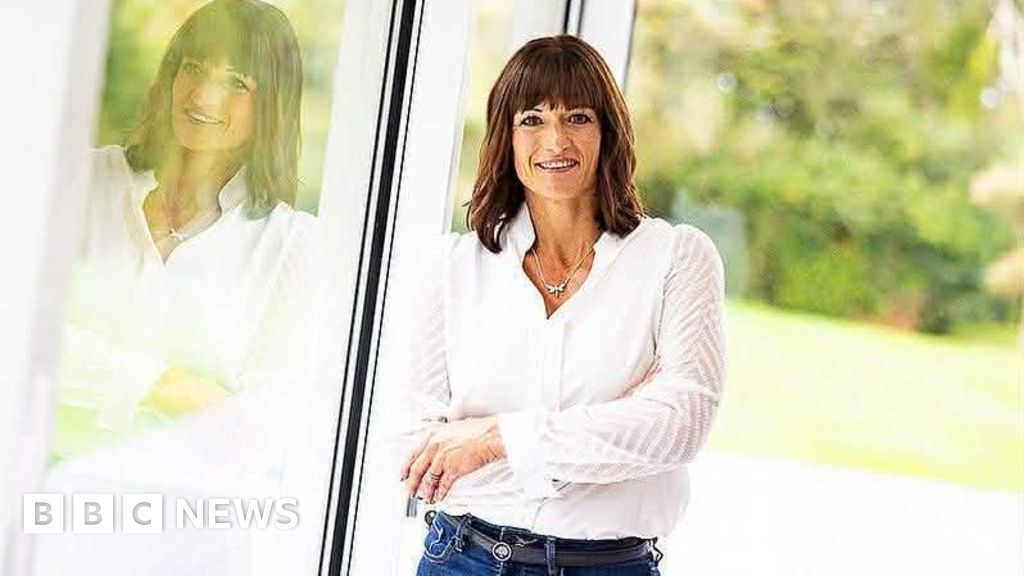
"Amidst personal struggles with debilitating symptoms, women in the Channel Islands are urgently advocating for comprehensive support and increased awareness surrounding menopause, asserting that current provisions are insufficient and governmental priorities are misplaced."
Across the Channel Islands, a growing chorus of women is speaking out about the profound challenges posed by menopause and the critical need for enhanced support systems. Personal accounts reveal a landscape where individuals grapple with severe symptoms in isolation, feeling unheard by medical professionals and underserved by public health provisions. This collective plea highlights not only the personal toll of menopause but also its significant impact on professional lives and the broader societal fabric, prompting calls for a fundamental re-evaluation of women’s health priorities within the island governments.
The often-overlooked and deeply personal journey through menopause is emerging as a critical public health and workplace issue in the Channel Islands. Women who have experienced severe menopausal symptoms are voicing strong concerns over what they describe as an alarming lack of adequate support and resources. Their testimonies underscore a systemic gap in understanding, care, and proactive measures, leading to significant personal distress and professional setbacks.
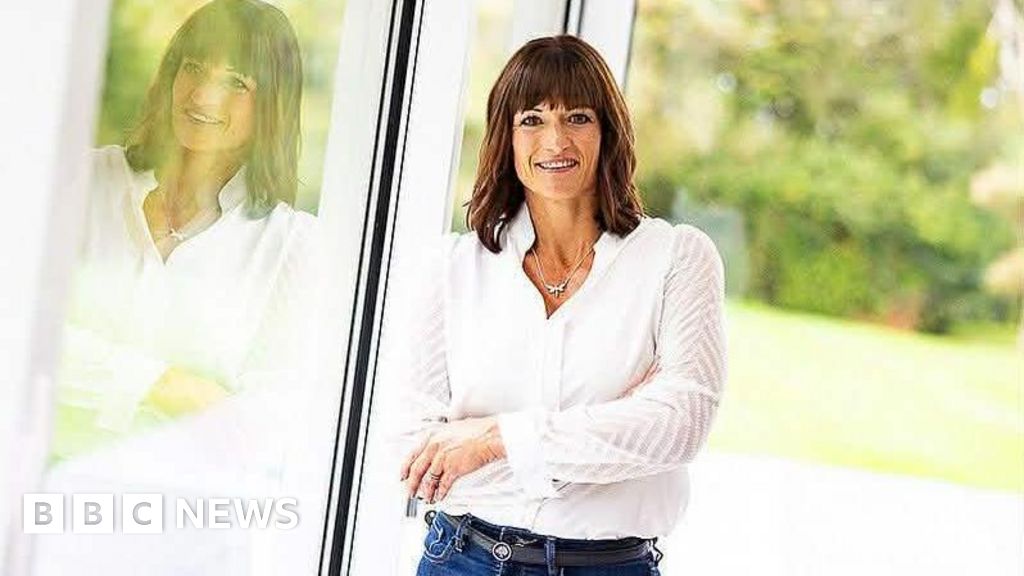
One such voice is Dani Barnett from Guernsey, whose experience with surgical menopause at the age of 40 in October 2021 was a "complete shock." Overnight, the necessity of having her ovaries removed plunged her into an immediate and intense menopausal state, bypassing the gradual hormonal shifts typically associated with natural menopause. This sudden onset brought with it a cascade of debilitating symptoms, including overwhelming anxiety, uncharacteristic anger fits, and severe brain fog. Barnett recounts moments of profound disorientation, struggling to recall basic information during professional meetings, leading to embarrassment, followed by intense hot flushes and heightened anxiety. The personal impact was immense, extending to daily frustrations such as crying over misplaced slippers, illustrating the pervasive and disorienting nature of her condition.
Barnett’s struggle was compounded by a perceived lack of medical understanding and empathy. Despite her distress, repeated visits to doctors were met with reassurances that her "levels are fine," leaving her feeling dismissed and isolated. This experience ignited a determination to prevent others from enduring similar struggles. In September 2025, she channeled her adversity into action, launching a business in Guernsey dedicated to providing support for women navigating menopause. Her initiative is rooted in the belief that education and open dialogue are paramount to dispelling the fear surrounding menopause. By fostering a supportive community, she aims to empower women with knowledge and reassurance, breaking down the stigma and silence that often accompany this life stage. Barnett passionately argues that the number of women forced to leave their jobs due to menopausal symptoms and insufficient workplace support is "outrageous," signaling a significant economic and social cost.
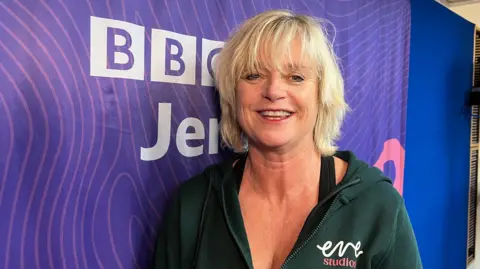
Across the water in Jersey, Trudi Roscouet echoes these sentiments, having herself experienced menopause at 51. She too established a business focused on raising awareness of women’s health and offering support, recognizing the far-reaching implications of menopause beyond the individual. Roscouet stresses that the effects of menopause permeate all aspects of life, impacting "our children, partners, bosses," and "everything." Her advocacy extends particularly to the workplace, where she identifies brain fog, anxiety, and insomnia as the top three symptoms adversely affecting women’s careers. Roscouet is a staunch proponent of continuous education for corporate entities, urging them to implement robust and ongoing support for female employees.
The critical importance of workplace support for menopausal women has gained legislative traction elsewhere. Under the forthcoming UK Employment Rights Act 2025, employers with more than 250 employees will be mandated to design and implement comprehensive menopause action plans. These plans, due for voluntary reporting in April 2026 and mandatory compliance by early 2027, are expected to include evidence-based measures such as flexible working arrangements, temperature control in offices, and specialized manager training. The objective is to dismantle workplace barriers and facilitate women’s continued employment through menopause. While this legislation directly applies to the UK, it sets a significant precedent that could influence policy and best practices in the Channel Islands.

Jersey’s government has taken steps in this direction, signing the 51 Employer Pledge in May 2022 to become a menopause-friendly workplace. This 14-point pledge commits to treating menopause with the same gravity, care, and support as other physical and mental health conditions, advocating for individualized approaches and robust staff support. However, Roscouet maintains that these commitments, while positive, do not go far enough. She expresses deep concern that the government perceives the issue of menopause as "dealt with" and that "women’s health is not a priority for them," highlighting a perceived disconnect between policy and the lived experiences of women.
‘Don’t Suffer in Silence’
In response to these criticisms, Deputy Andy Howell, Assistant Minister for Health and Social Services in Jersey with responsibility for Women’s Health, asserted the government’s unwavering commitment to "strengthening services and support for women." Howell pointed to existing provisions, including dedicated clinics at Rayner Outpatients and group-based sessions at the Listening Lounge, which focus on developing coping strategies for menopausal symptoms. Furthermore, she announced the government’s ongoing development of a comprehensive Women’s Health Strategy and the imminent launch of a Women’s Health Resource web page later this year. Deputy Howell concluded by emphasizing the government’s dedication to "building a stronger foundation for women’s health" throughout 2026, with a focus on delivering "safe, supportive, and accessible services that meet the needs of women at every stage of life." The States of Guernsey, having been approached for comment, has yet to provide a public statement regarding their current or future menopause support initiatives.
Despite the challenges, specialized support is available within the islands. In Guernsey, the Healthcare Group in St Martin’s offers a weekly menopause clinic led by Dr. Lucy Joslin, one of the island’s foremost experts in the field. Dr. Joslin acknowledges the increasing awareness of menopause symptoms among the public and expresses confidence in the range of effective treatment options available, asserting that tailored solutions can typically be found for most individuals. She encourages women to seek assistance and highlights additional local and national resources, including Guernsey Mind, the Menopause Discussion Group, and the British Menopause Society, to ensure that no woman has to suffer in silence.
The collective experiences of women like Dani Barnett and Trudi Roscouet serve as a powerful catalyst for change, pushing for greater recognition, medical understanding, and societal support for menopause. Their advocacy underscores the urgent need for comprehensive strategies that address the multifaceted challenges of this natural, yet often debilitating, life stage, ensuring that women in the Channel Islands receive the care and understanding they deserve.