
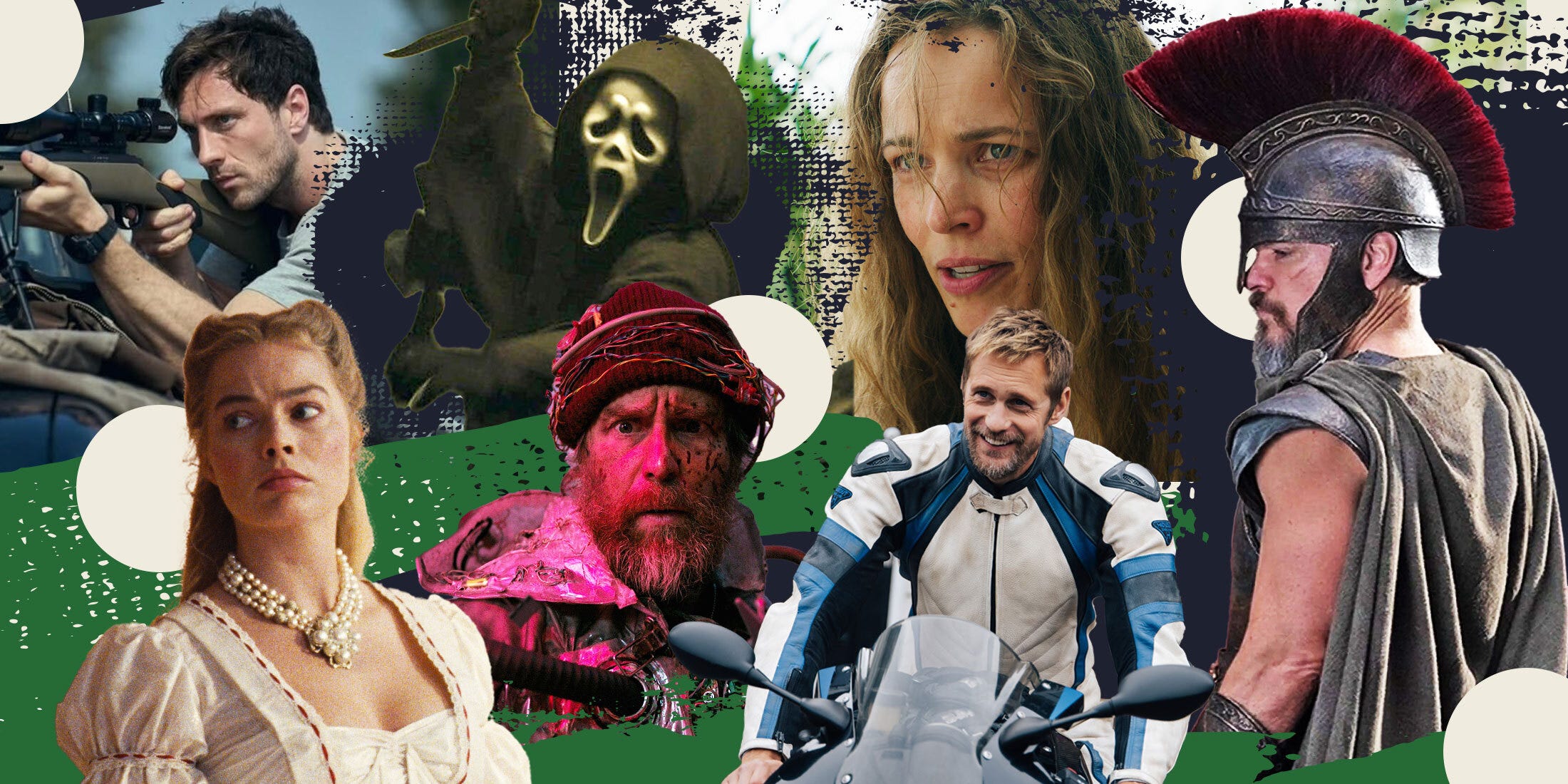
"The 2026 film slate represents a pivot toward bold, auteur-driven narratives and high-concept genre pieces that challenge the traditional boundaries between streaming and theatrical releases. This diverse collection of projects signals a renewed industry focus on star-powered thrillers, innovative horror, and the return of visionary directors to their creative roots."

As the global film industry moves deeper into the decade, the upcoming 2026 calendar suggests a significant shift in how audiences consume and engage with cinema. This transition is marked by a blend of long-awaited sequels to cult favorites, original horror stories from masters of the genre, and high-stakes collaborations between Hollywood’s most bankable stars. The following analysis explores the most significant releases on the horizon, examining the creative teams behind them and the cultural impact these films are poised to make.

The Return of the Visionary Auteurs
One of the most notable trends of 2026 is the return of established directors to the genres that defined their careers. Leading this charge is Sam Raimi with Send Help. For fans of Raimi, who haven’t seen him helm an original horror project since 2009’s Drag Me to Hell, this film is a major event. Starring Rachel McAdams and Dylan O’Brien, Send Help is described as a tonal hybrid of Cast Away and Misery. By placing a Survivor superfan in a life-or-death struggle against a malevolent boss on a deserted island, Raimi looks to utilize his signature "splatstick" style—a blend of visceral gore and dark, frenetic comedy—within a modern survivalist framework.

Similarly, Gore Verbinski makes a grand re-entrance with Good Luck, Have Fun, Don’t Die. Known for his visual mastery in the original Pirates of the Caribbean trilogy and the haunting atmosphere of The Ring, Verbinski has been largely absent from the director’s chair since 2016. His new project features Sam Rockwell as a man claiming to be from the future, tasked with thwarting a rogue artificial intelligence. While early buzz suggests the film leans into on-the-nose satire regarding our current technological anxieties, the reliance on Rockwell’s eccentric energy and Verbinski’s penchant for practical effects suggests a sci-fi romp that prioritizes craft over digital artifice.

High-Stakes Thrillers and Cop Dramas
The 2026 slate also reinforces the enduring power of the mid-budget thriller, particularly those anchored by established creative partnerships. The Rip sees Matt Damon and Ben Affleck reunite for a Netflix original that explores the dark underbelly of police corruption. Directed as a twisty, procedural crime story, the plot centers on a police team that discovers a massive "rip"—a stash of illicit cash—and the subsequent paranoia that ensues. The film’s "stacked" supporting cast, including Steven Yeun, Kyle Chandler, and Teyana Taylor, indicates that Netflix is continuing to invest heavily in prestige genre fare that mimics the theatrical experience.

In a similar vein, Crime 101 aims to capture the cinematic gravitas of a Michael Mann masterpiece. Based on the novella by Don Winslow, the film has already drawn comparisons to the 1995 classic Heat. With a powerhouse ensemble featuring Chris Hemsworth, Mark Ruffalo, Halle Berry, and Barry Keoghan, the film explores the high-tension world of professional thievery and the obsessive law enforcement officers who track them. By leaning into the "Mann-esque" aesthetic—characterized by cool blues, urban isolation, and tactical realism—Crime 101 seeks to fill a void in the modern action-thriller market.

Sci-Fi Epics and Survivalist Horror
The science fiction genre is set for a landmark year with the release of Project Hail Mary. Based on the bestselling novel by Andy Weir, the author of The Martian, the film stars Ryan Gosling as an astronaut on a solo mission to save humanity. Behind the camera are Phil Lord and Chris Miller, the duo known for their ability to balance high-concept stakes with genuine heart and humor. Given the success of Weir’s previous adaptations, Project Hail Mary is widely expected to be one of the year’s most significant commercial and critical hits, blending rigorous scientific concepts with a relatable, human-centric narrative.

In the realm of horror, the "28 Days Later" universe continues its expansion with 28 Years Later: The Bone Temple. While Danny Boyle stepped away from the director’s chair for this installment, the sequel is helmed by Nia DaCosta, whose work on Candyman proved her ability to modernize classic horror tropes. Written by Alex Garland, the film reunites audiences with a post-apocalyptic Britain, anchored by magnetic performances from Ralph Fiennes and Jack O’Connell. This sequel serves as the middle chapter of a planned trilogy, ensuring that the "rage virus" remains a central pillar of contemporary survival horror.

The A24 Influence and Indie Prestige
A24 continues to dominate the cultural conversation with a diverse array of projects that defy easy categorization. The Drama, starring Robert Pattinson and Zendaya, is perhaps the most enigmatic of the bunch. Directed by Kristoffer Borgli, who recently garnered acclaim for Dream Scenario, the film explores the unraveling of a newly engaged couple. A24’s viral marketing campaign and the pairing of two of the most influential actors of their generation have already made this a must-watch event.

The studio is also facilitating Charli XCX’s transition into cinema with The Moment. Described as a cross between This Is Spinal Tap and Curb Your Enthusiasm, the film is a meta-exploration of stardom and celebrity in the mid-2020s. This project aligns with A24’s history of supporting "artist-first" narratives that blend fiction with the real-life personas of their leads. Furthermore, A24’s How to Make a Killing serves as a star vehicle for Glen Powell. Directed by John Patton Ford, this black comedy neo-noir follows a man’s murderous attempts to secure an inheritance, supported by an impressive cast including Margaret Qualley and Ed Harris.

Reimagining the Classics
Literary adaptations are also receiving a modern, often provocative, makeover. Emerald Fennell, the Academy Award-winning mind behind Promising Young Woman, offers a visually stunning and anachronistic take on Wuthering Heights. Starring Margot Robbie and Jacob Elordi, the film has already sparked debate among book purists for its bold stylistic choices and its Charli XCX-produced soundtrack. Fennell’s approach suggests a desire to strip away the "stuffy" reputation of period dramas in favor of a charged, energetic romance that resonates with contemporary audiences.

Maggie Gyllenhaal’s The Bride! offers another reimagining, this time focusing on the Frankenstein mythos. Featuring Christian Bale as the Monster and Jessie Buckley as the titular Bride, the film is described as a "Joker and Harley Quinn" style take on the classic Gothic tale. With a supporting cast that includes Penelope Cruz and Peter Sarsgaard, Gyllenhaal’s second directorial effort aims to blend high-art sensibilities with the visceral appeal of a monster movie.

Action, Comedy, and Genre Deconstruction
Rounding out the 2026 slate are films that celebrate—and sometimes parody—the foundations of popular cinema. The Wrecking Crew pairs Jason Momoa and Dave Bautista for a buddy action comedy set in Hawaii. The film leans into the natural chemistry of its leads, offering a violent yet humorous investigation into a family mystery. On the opposite end of the spectrum, The Napa Boys serves as a sharp parody of the direct-to-video sequel era, blending the raunchy comedy of American Pie with the "wine culture" of Sideways.

Finally, the year sees the return of Samara Weaving in Ready or Not 2: Here I Come. The sequel to the 2018 sleeper hit promises to bring back the twisted, high-stakes games of the original, this time featuring a supporting cast that includes horror legend David Cronenberg and Sarah Michelle Gellar.

Conclusion
The cinematic landscape of 2026 is defined by its variety. From the return of master directors like Raimi and Verbinski to the bold experimentation of A24 and the star-studded thrillers of the major streamers, the year offers a comprehensive look at the future of storytelling. Whether through the lens of a killer chimpanzee in Primate or the cosmic isolation of Project Hail Mary, these films reflect an industry that is simultaneously looking back at its roots and pushing forward into new, uncharted territory. For audiences, the result is a calendar filled with high-concept entertainment that promises to be as thought-provoking as it is thrilling.