
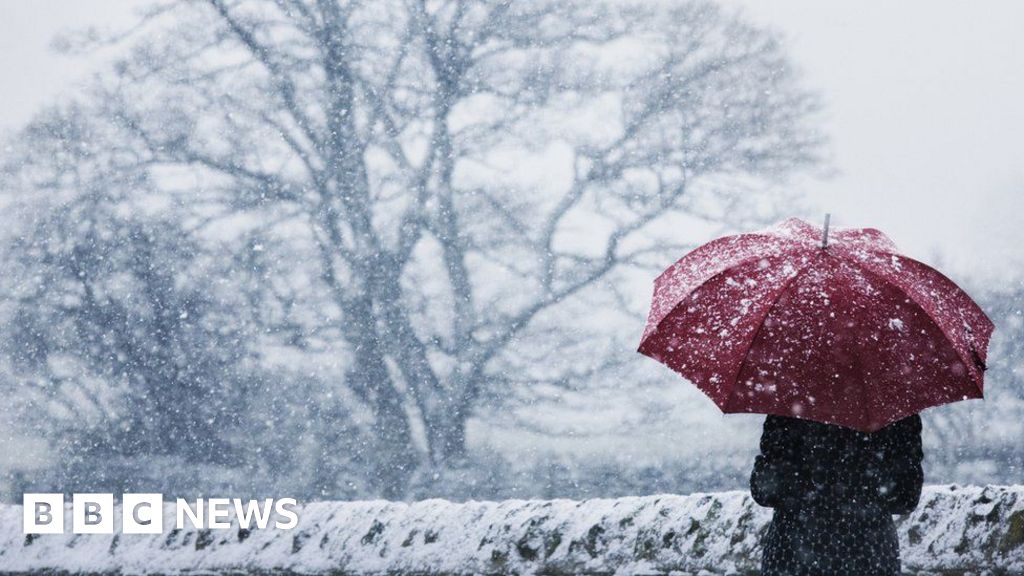
"A yellow cold health alert has been activated for significant swathes of Northern and Central England, signaling a critical period where vulnerable individuals face increased health risks from plummeting temperatures. This proactive measure by health and meteorological agencies underscores the importance of community vigilance and preparedness in safeguarding public health against the severe impacts of winter weather."
The UK Health Security Agency (UKHSA), in collaboration with the Met Office, has issued a yellow cold health alert for the East Midlands, North East, North West, West Midlands, and Yorkshire and The Humber regions. This alert, effective from 08:00 GMT on Friday, February 13, until 08:00 GMT on Monday, February 16, indicates a heightened risk to particularly vulnerable segments of the population. This includes the elderly, individuals with pre-existing health conditions, and those experiencing homelessness or economic hardship, who are more susceptible to the adverse effects of cold weather. The issuance of such an alert serves as a vital public health mechanism, prompting individuals and care providers to take preventative measures to mitigate potential health crises during periods of significant temperature drops.
The weather health alert service, a joint initiative between the UKHSA and the Met Office, operates across England to provide timely warnings and guidance regarding extreme temperatures. Designed as a comprehensive public health tool, the system aims to reduce illness and fatalities directly attributable to both cold and hot weather conditions. Cold health alerts are typically in effect between November 1 and March 30, encompassing the coldest months of the year, while heat health alerts are issued from June 1 to September 30, addressing summer temperature extremes. This seasonal activation ensures that public health messaging and preventative strategies are aligned with the prevailing meteorological risks. Beyond public advisories, the system plays a crucial role in disseminating critical guidance directly to key stakeholders, including NHS England, governmental bodies, and healthcare professionals. This direct communication channel enables coordinated responses, facilitating resource allocation, emergency planning, and the implementation of targeted interventions to protect at-risk populations.
The alert system employs a four-tiered classification, ranging from green to red, to convey the severity and potential impact of adverse weather conditions, drawing heavily on Met Office forecasts and meteorological data. Each level triggers specific recommendations and response protocols tailored to the escalating risk.
Understanding the Alert Levels:
-
Green (Minimal Risk): This is the normal baseline level, signifying minimal discernible risk to health from current or forecast temperatures. At this stage, the emphasis is on general preparedness and the promotion of good health practices. This includes advice on maintaining adequate home heating, dressing appropriately for the season, and staying informed about weather forecasts, setting the foundation for resilience against potential temperature fluctuations. It is a period for proactive planning rather than reactive measures.
-
Yellow (Increased Risk to Vulnerable Individuals): A yellow alert, such as the one currently in place, indicates periods of hot or cold weather that are likely to affect only the most vulnerable segments of the population. This category primarily includes older adults, particularly those over 65, individuals with chronic respiratory or cardiovascular diseases, diabetes, or mental health conditions, and those with limited mobility or living in poorly insulated housing. The threshold for a yellow cold alert is typically met when there is a 60% chance of average temperatures falling to 2°C or below, and/or widespread ice or heavy snow, for at least 48 hours. This level prompts targeted advice for these groups, such as staying indoors, ensuring homes are adequately heated to at least 18°C, wearing multiple layers of clothing, consuming hot meals and drinks, and checking on vulnerable neighbours or relatives. Healthcare providers are also advised to be vigilant in identifying and supporting at-risk patients.
-
Amber (Significant Risk to General Population): An amber alert signifies a more severe situation where the weather conditions pose a potential risk to the entire population, not just the vulnerable. This level is triggered when there is a 90% chance of severe weather conditions, such as temperatures consistently at or below 2°C for prolonged periods, widespread ice, or heavy snow, persisting for at least 72 hours. At this stage, the NHS may experience a significant increase in demand for services, including general practitioner visits for cold-related illnesses (like respiratory infections) and ambulance call-outs for hypothermia, slips, falls on icy surfaces, and exacerbations of chronic conditions. Travel disruption becomes highly probable, impacting road, rail, and air networks, which can have wider societal and economic consequences, including disruptions to supply chains and essential services. Public messaging at this level extends to general safety advice, urging caution outdoors, and preparing for potential service interruptions.
-
Red (Critical Risk and National Infrastructure Threat): The red alert represents the most extreme and dangerous level. It is issued when severe hot or cold weather is deemed a significant risk to life, even for the healthy population, and carries a high probability of leading to widespread failures of critical national infrastructure. This could involve prolonged power outages affecting heating and lighting, extensive road and rail closures isolating communities, and disruptions to essential services like water supply and telecommunications. The criteria for a red cold alert involve a near 100% certainty of severe cold weather, often with widespread ice and heavy snow, leading to extreme impacts on public health and infrastructure. In such scenarios, emergency services are placed on high alert, and coordinated national responses are activated to manage the crisis, protect lives, and restore critical services. This level demands immediate and widespread action from both individuals and authorities to minimize catastrophic outcomes.
The Physiological Impact of Cold Weather:
Beyond discomfort, cold weather imposes significant physiological stress on the human body, contributing to a range of health issues. One of the most immediate effects is on the immune system and the spread of infectious diseases. Viruses responsible for influenza, the common cold, and sore throats thrive in colder, drier air and often transmit more readily when people congregate indoors. Pneumonia, a serious lung inflammation caused by infection, also sees a notable increase in incidence following periods of cold weather, as the body’s defenses may be weakened. Furthermore, norovirus, commonly known as the winter vomiting bug, is highly contagious and typically surges during the colder months, leading to widespread gastrointestinal illness.

Research highlights the profound impact of cold on the body’s systems. An experiment involving presenter James Gallagher, who spent 30 minutes in a room where the temperature dropped from 21°C to 10°C, provided tangible evidence of these effects. During this brief exposure, he experienced a measurable decrease in blood flow to his brain, an increase in both blood pressure and heart rate, and a significant drop in the temperature of his extremities (arms, legs, and head). Critically, his cognitive function was also impaired, as evidenced by taking significantly longer to complete a series of puzzles.
Professor Mike Bailey, a leading expert in thermoregulation, underscores that 18°C is a critical "tipping point" for the human body. Below this temperature, the body must expend considerable energy to maintain its core temperature of approximately 37°C. This constant struggle to generate and conserve heat puts a substantial strain on the cardiovascular system. The body achieves heat conservation through vasoconstriction—the narrowing of blood vessels, especially in the extremities—to reduce blood flow to the skin and redirect warm blood to vital internal organs. This process, however, forces the heart to work harder to pump blood through narrower vessels, leading to increased blood pressure and heart rate. This physiological burden is a primary reason why the incidence of heart attacks and strokes significantly rises during the winter months, particularly among those with pre-existing cardiovascular vulnerabilities.
To counteract these adverse effects when maintaining an ideal room temperature of 18°C is not feasible, Professor Bailey offers practical advice. He recommends wearing multiple layers of clothing, including gloves, warm socks, and a woolly hat, as layering effectively traps insulating air close to the body. A higher carbohydrate diet can provide the necessary energy for metabolic heat production. Additionally, engaging in regular physical activity, even light movement, helps to generate more body heat through muscle activity. Beyond these, staying hydrated, avoiding excessive alcohol consumption (which can initially cause vasodilation and lead to rapid heat loss), and ensuring homes are properly insulated and heating systems are functioning efficiently are crucial preventative measures. Checking on vulnerable neighbours and relatives is also a vital community responsibility, ensuring that no one is left to suffer the silent, dangerous effects of extreme cold.
The current yellow cold health alert serves as a timely reminder of winter’s potential severity and the importance of collective and individual preparedness. By understanding the risks, adhering to expert advice, and supporting those most vulnerable, communities can significantly mitigate the health impacts of cold weather.