
"Pregnant women in Cuba are navigating an increasingly perilous landscape, where a near-total fuel blockade exacerbates chronic shortages, leading to widespread power outages and a profound sense of despair for the future of their children. The crisis highlights the severe humanitarian toll of geopolitical tensions on the island’s most vulnerable."
The humanitarian situation in Cuba has reached a critical juncture, casting a long shadow over the most anticipated moments in life, particularly for expectant mothers. A stringent fuel blockade, initiated by the Trump administration, has crippled the island’s energy infrastructure, plunging communities into darkness and severely impacting essential services. This geopolitical pressure has created a harrowing environment where the simple act of giving birth is fraught with anxiety, and the prospect of a meaningful future for newborns is increasingly uncertain. The challenges faced by women like Mauren Echevarría Peña and Indira Martínez underscore a deepening crisis that threatens the well-being of a generation and exposes the fragility of Cuba’s once-heralded social welfare systems.
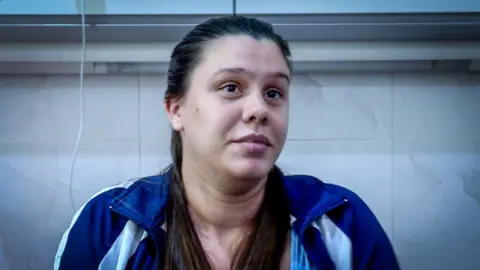
For the past three months, Mauren Echevarría Peña, a 26-year-old expecting her first child, has been confined to a ward at Havana’s specialist Ramón González Coro maternity and neonatal hospital. Her pregnancy, complicated by gestational diabetes and chronic hypertension, necessitates constant medical supervision and access to specialized care. As her baby boy’s due date approaches, Mauren faces not only the inherent anxieties of childbirth but also the pervasive fear of a delivery amidst a rolling blackout, a stark reality in a nation grappling with a collapsing electrical grid.
Despite these daunting circumstances, Mauren expresses profound gratitude for the unwavering dedication of the medical staff. Working tirelessly under extreme duress, they strive to maintain the high standards of care for which Cuba’s public health system has historically been known, even as resources dwindle. The BBC was granted rare access to this state-run facility during a visit by an international coalition delivering crucial aid donations, including vital medicines and supplies. Mauren recounts, "They have done everything they can for me at the hospital. They’ve given me the medicines and insulin I need for the health of baby and the placenta." While she maintains a defiant spirit, asserting that the country will "find a way to move forward," the grim prospect of giving birth during a power cut remains a palpable fear, a testament to the daily struggles endured by Cubans.
However, Mauren’s experience, while challenging, is arguably more privileged than that of many other expectant mothers. Government statistics indicate approximately 32,800 pregnant women currently reside in Cuba, and most do not have the benefit of continuous hospital care or immediate access to scarce resources. The broader population contends with a vastly different reality.
In a Havana suburb, Indira Martínez, seven months pregnant, embodies the daily grind faced by ordinary Cubans. For days, she has been unable to perform basic tasks like cooking breakfast or making a warm drink, her electric stove rendered useless by incessant power cuts. On the morning of our visit, the electricity had been out since the previous afternoon. Her refrigerator stands empty, a symbol of the economic hardship and food insecurity. The family’s only recourse for cooking is a small, makeshift charcoal grill built by her husband.
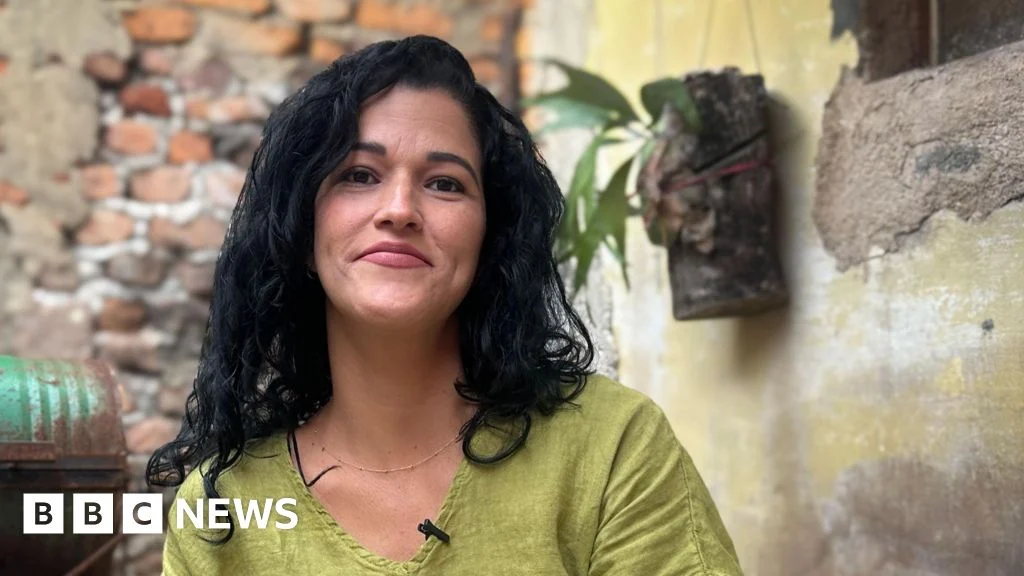
Indira laments the nutritional deficiencies imposed by the crisis. "You must get up in the small hours when the power comes back on to cook whatever is available. And often it doesn’t contain the vitamins and proteins I need – and it definitely doesn’t cover my increased appetite because of the pregnancy," she explains. Despite her inherently good-natured demeanor, the relentless pressure of these circumstances is visibly eroding her resilience. As a hair stylist, Indira is unable to work due to the necessary avoidance of chemical exposure during pregnancy, leaving her family dependent solely on her husband’s modest income as a blacksmith. Her mother, a retired nurse, watches with growing concern, particularly regarding Indira’s reduced caloric intake and heightened stress levels during these crucial final weeks.
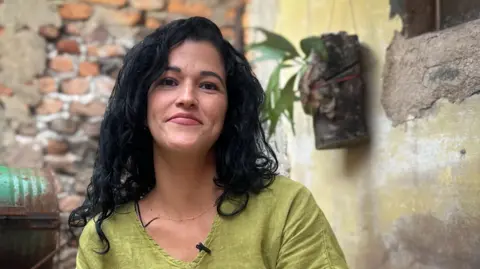
Indira’s pregnancy has already been complicated by a bout of chikungunya, a mosquito-borne disease, suffered during her first trimester amidst a nationwide outbreak. Though she was severely weakened, medical professionals confirmed that, thankfully, her baby girl remains in good health. Yet, the challenges continue to mount.
The fuel blockade, imposed by the Trump administration, has effectively choked off crude oil deliveries to Cuba. Washington issued stern warnings to the island’s primary energy partners, particularly Mexico, threatening tariffs and sanctions against any entity continuing fuel shipments. This aggressive economic pressure has forced a shift in aid, with Mexico instead sending humanitarian assistance, including powdered milk intended for pregnant mothers. However, Indira reports that she has seen none of this aid, nor any additional state support. "None of the humanitarian aid sent to Cuba has reached me," she states, adding with a mix of frustration and resignation, "My husband and I didn’t enter this pregnancy irresponsibly. We did it knowing full well that we can’t rely on any help from the government. It’s just us against the world!" Their only solace, she concludes, is prayer that "everything works out in the end."
The recurrent blackouts have become a particularly harsh reality for vulnerable populations. Like Mauren, Indira harbors a profound fear of giving birth in a darkened hospital ward, imagining her child being delivered by the flickering light of a mobile phone. While hospitals are equipped with generators, the severe fuel shortages make their consistent operation a significant challenge.
However, Indira’s fears extend far beyond the immediate concerns of childbirth. Her greatest apprehension lies in the future that awaits her daughter, to be named Ainoa. "How am I going to tell her she has no prospects in life? Because she won’t have any," Indira asserts with a heartbreaking clarity and resignation. Education, once a cornerstone of the Cuban Revolution and a source of national pride, has deteriorated significantly due to chronic underinvestment and a severe shortage of qualified teachers. The dire economic situation further compels young, educated individuals to abandon their professions for more lucrative, albeit often less skilled, work to survive. Indira herself, a trained IT systems technician, became a hair stylist, and her husband, an accountant, now works as a blacksmith.
"As a parent, one would like to offer your child a real life and to motivate them," Indira reflects. "But I have no basis to tell her that she has a meaningful future ahead of her or can maximize her full intellectual capacity. If I say that, I’ll be lying. She’ll have no opportunity for growth here, none." This is a profoundly bleak outlook for a time traditionally associated with expectation, excitement, and hope.
Cuba is grappling with a severe demographic crisis characterized by an aging population, a remarkably low birth rate, and massive outward migration. Despite the current hardships, the island desperately needs its young people to have children to sustain its future. Yet, even before the crippling fuel blockade, many young Cubans were reconsidering starting families in such an uncertain environment.
The current crisis, exacerbated by stringent US sanctions, has pushed Cuba into what many describe as its most challenging period since the "Special Period" of the 1990s following the collapse of the Soviet Union. The targeted economic measures, including the activation of Title III of the Helms-Burton Act and restrictions on remittances, aim to further isolate the Cuban government, but their primary impact falls disproportionately on ordinary citizens. The scarcity of fuel affects everything from transportation and food distribution to the operation of vital public services, including hospitals and water pumps. This systemic breakdown creates a cascade of hardships, from food shortages and escalating prices to a profound sense of hopelessness that permeates daily life.
As Mauren prepares for the arrival of her baby boy, and Indira for her daughter Ainoa in the coming months, they represent a generation of Cubans born into, quite simply, some of the hardest times in the modern history of their birthplace. Their stories are a poignant illustration of the profound human cost of geopolitical tensions and economic strangulation, painting a grim picture for the future of Cuba’s youngest citizens.