
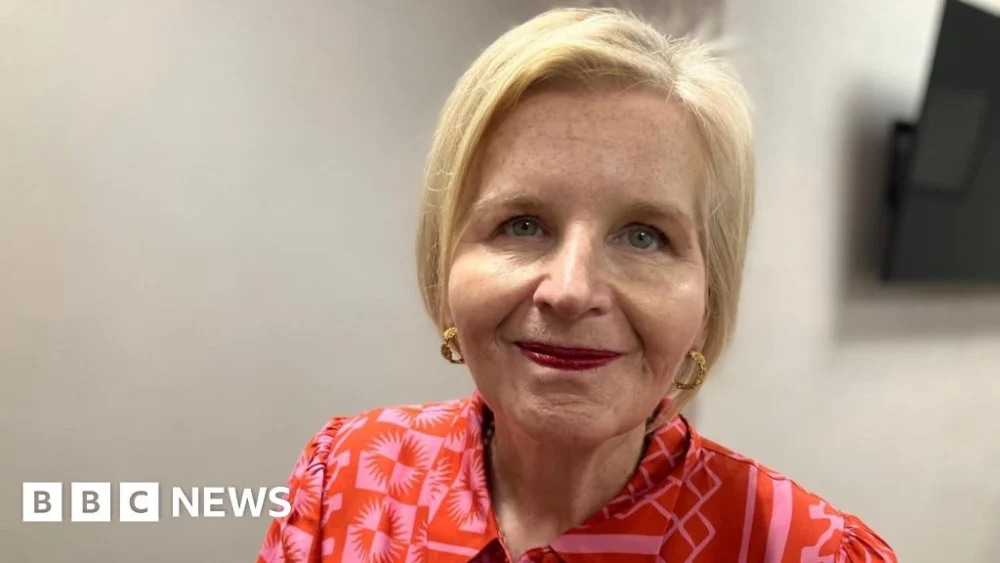
"The appointment of Donna Ockenden marks a significant victory for bereaved and harmed families, whose tireless campaign has finally secured the independent leadership they demanded for the vital inquiry into ‘repeated maternity failures’ at Leeds Teaching Hospitals NHS Trust. This reversal by the Health Secretary underscores the profound impact of patient advocacy on governmental decisions concerning healthcare accountability."
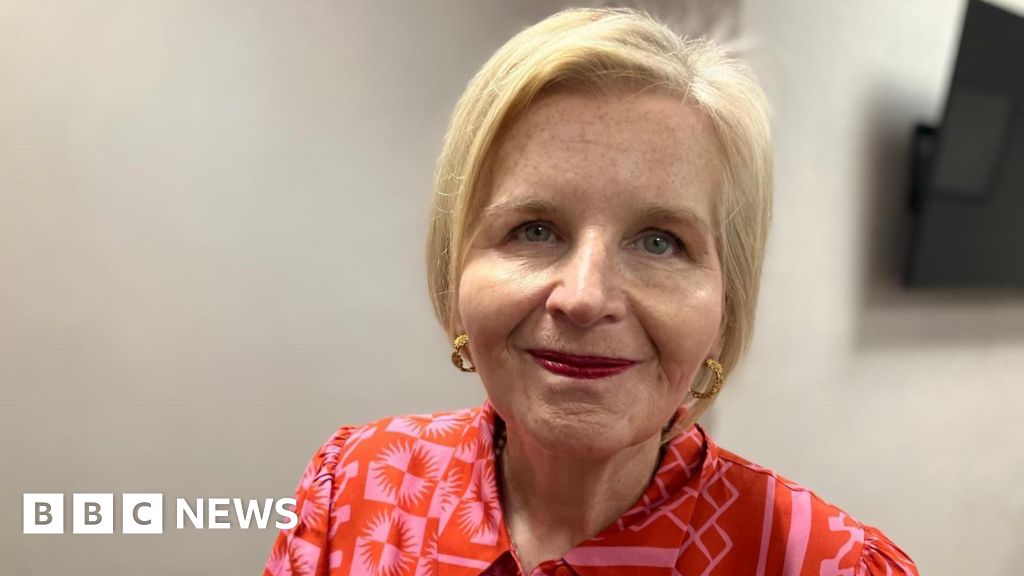
In a pivotal development, Health Secretary Wes Streeting has reversed an earlier decision, appointing highly respected independent midwife Donna Ockenden to chair the long-awaited inquiry into serious maternity and neonatal failures at Leeds Teaching Hospitals (LTH) NHS Trust. This significant U-turn comes after an extensive and emotionally charged campaign by families who have suffered unimaginable losses and harm, demanding Ockenden’s leadership due to her unparalleled expertise and track record in delivering rigorous, family-centered investigations. The decision, lauded by affected families as a crucial step towards justice and systemic change, signals a renewed commitment to accountability in a sector frequently under national scrutiny.
The independent inquiry, initially announced by Wes Streeting in October 2025, was mandated to uncover the root causes of "what had gone so catastrophically wrong" within the maternity units at Leeds General Infirmary and St James’s University Hospital. These units, serving a vast population across West Yorkshire, have been plagued by concerns over patient safety, leading to tragic outcomes for numerous families. However, just days after the initial announcement, Streeting publicly stated that Ockenden would not be chairing the Leeds review, a decision that sparked immediate outrage and intensified the campaign from those directly impacted.
Families, supported by a growing chorus of MPs, swiftly mobilised. In February, they issued a direct appeal to Prime Minister Sir Keir Starmer, urging him to intervene and ensure Ockenden’s immediate appointment. Their unwavering resolve stemmed from Ockenden’s formidable reputation, forged through her leadership of the independent review into maternity services at the Shrewsbury and Telford Hospital Trust (SaTH). That landmark inquiry, one of the largest of its kind in NHS history, exposed systemic failings over decades, identifying hundreds of avoidable deaths and injuries and setting a new benchmark for comprehensive, compassionate investigation. Her work at SaTH, and more recently with the Nottingham University Hospitals NHS Trust, has established her as a preeminent figure in maternal safety, trusted by families for her independence, thoroughness, and unwavering focus on patient experience.
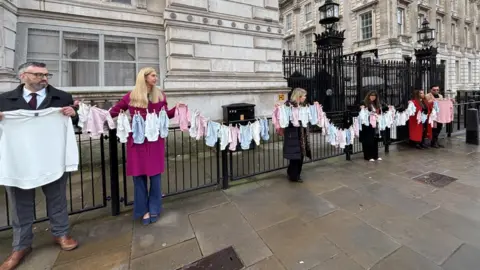
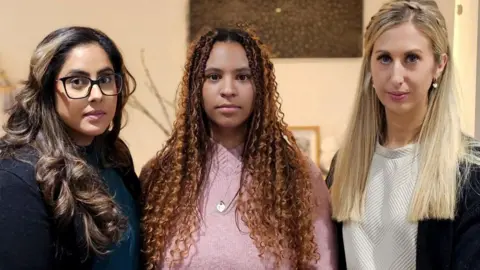
For the bereaved and harmed families, the news of Ockenden’s appointment brings a profound sense of relief, albeit one tempered by the arduous journey they have endured. Amarjit Kaur Matharoo, whose daughter Asees was tragically stillborn in January 2024, articulated the collective exhaustion. "It had been a really exhausting, long road to get to a point where we’ve got a chair that we all agree upon, is going to be completely independent," she stated, reflecting the widespread desire for an uncompromised and impartial investigation. Her sentiment was echoed by Lauren Caulfield, whose daughter Grace was stillborn in March 2022. "The announcement is coming 10 days before Grace’s 4th birthday, and I feel this is the best gift I could give her, ensuring her little life is actually going to make a change," Caulfield shared, highlighting the deeply personal stakes involved in their fight for justice. Fiona Winser-Ramm, whose daughter Aliona Grace died in 2020, also expressed her relief and underscored the collective power of their advocacy. Their sustained campaigning, which included a poignant demonstration outside Downing Street where baby grows represented lives lost, undeniably played a critical role in compelling the government to reconsider its initial stance.
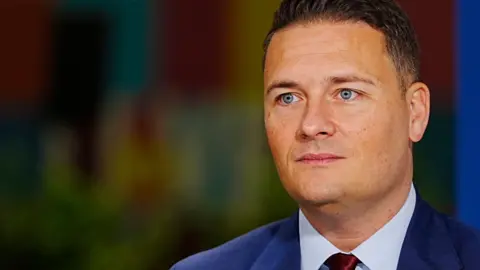
Responding to the pressure and the undeniable moral imperative, Health Secretary Wes Streeting acknowledged the families’ struggles and the validity of their demands. "I am sorry to families in Leeds for what they’ve been through and the fact that so often they’ve had to really fight to get to this point," Streeting said, confirming that they had "reached the right decision." This apology, while significant, underscores the frustration felt by many that such persistent advocacy was necessary to secure what they viewed as the obvious and most appropriate leadership for the inquiry.
Donna Ockenden herself commended the Secretary of State for "making the right decision from the families’ perspective." She reflected on the prolonged battle: "Families have been very clear for a very long time that their request was for me to chair their independent maternity services at Leeds. They have met with the secretary of state on a number of occasions, and in the last meeting that I believe went on for several hours… he listened very carefully and came back to them and said ‘actually this is the right decision’." While pleased with the outcome, Ockenden candidly acknowledged, "I do recognise, as we all will, that it has taken a very long time to get to here today."

Ockenden outlined the dual objectives of the upcoming review. Primarily, it aims to provide families with "trusted answers that in some cases they’ve waited a very long time for." This commitment to truth and transparency is central to her methodology. Secondly, the review will focus on "improving the safety and quality of maternity services as we go." Drawing on her experience, particularly from the ongoing Nottingham review, Ockenden plans to implement "regular learning and improvement meetings where, with family and staff permission, I have passed on to the trust the things they need to do in there here and now." This proactive approach ensures that lessons learned are immediately translated into actionable improvements, rather than waiting for a final report. She emphasized the robust nature of her team, stating, "I have a large multi-professional, independent review team of every kind of specialty – doctor, nurse and midwife – that could ever be required to look at the cases that will come forward."
While the full terms of reference for the inquiry are still being finalised, the government has indicated that it expects the review to encompass comprehensive case reviews of stillbirths, neonatal deaths, serious injuries, hypoxic injuries, and maternal deaths. The scope will cover a significant period, from 1 January 2011 to 31 December 2025, ensuring a thorough examination of historical and recent failings. Crucially, the review will operate on an opt-out basis, meaning cases that meet the established terms of reference will be automatically included unless families explicitly choose otherwise. Clinical case reviews are anticipated to commence in August, marking the formal beginning of this critical investigative process. Fiona Winser-Ramm issued a powerful call to action: "We are calling on all those who have been harmed, or whose babies have been harmed, to reach out and engage with the review. Whether it was 11 years ago or 11 months ago, your experience matters. Your baby’s life and wellbeing matters, as does yours."
The need for this inquiry was starkly illuminated by a BBC original investigation, which brought forth courageous whistleblowers who painted a disturbing picture of unsafe maternity units at Leeds, directly contradicting the "good" rating the Care Quality Commission (CQC) had initially bestowed upon them. The CQC, the independent regulator of health and social care in England, eventually downgraded the Leeds maternity units to "inadequate" in June 2025, following unannounced inspections that uncovered grave concerns. Inspectors specifically highlighted that women and babies were "at risk of avoidable harm" and identified a detrimental "blame culture" within the trust, which actively discouraged staff from raising critical concerns and reporting incidents. This culture of fear is a recurring theme in troubled maternity services and often impedes vital learning and improvement.
Brendan Brown, Chief Executive of LTH NHS Trust, issued a public apology to the families whose babies died or were harmed, acknowledging the profound suffering they have endured. He welcomed Ockenden’s appointment, stating, "We are absolutely committed to working openly, honestly and transparently with Donna Ockenden and the review team, and with families who have used our services." Brown also sought to reassure current service users in Leeds, asserting that "significant improvements are already under way in our maternity and neonatal services, following reviews by the Care Quality Commission and NHS England."
This development in Leeds is not an isolated incident but rather reflects a broader national crisis in maternity care across the NHS. Over the past decade, numerous inquiries – from Morecambe Bay to East Kent and Shrewsbury – have exposed systemic failures, chronic understaffing, insufficient training, and a culture of defensiveness that has tragically compromised patient safety. The consistent thread through these reports is the urgent need for a national shift towards a learning culture, greater transparency, and a profound respect for the voices of families. Wes Streeting’s statement, affirming Ockenden as an "outstanding advocate for families whose voices haven’t always been heard" and predicting that "her leadership will bring us closer to lasting change so desperately needed in Leeds," encapsulates the hope that this inquiry will not only deliver justice for those affected but also contribute to a safer future for maternity services nationwide. The road ahead for the Leeds inquiry will be challenging, but with Donna Ockenden at the helm, there is renewed confidence that a path towards truth, accountability, and meaningful improvement can finally be forged.