
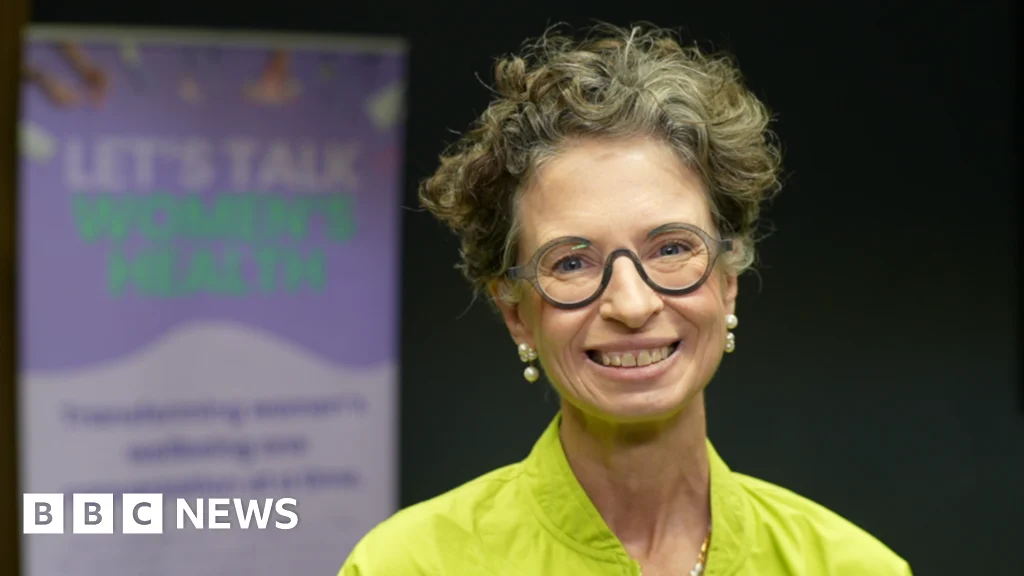
"Women are now realizing they deserve more from healthcare, and it is crucial to equip them with the knowledge and confidence to advocate for their health amidst a pervasive landscape of misinformation and historical medical neglect."
This urgent call to action encapsulates the growing movement to elevate women’s health, demanding a paradigm shift in how medical professionals, society, and women themselves approach care. The "Let’s Talk Women Health" event in Ipswich served as a powerful testament to this evolving awareness, bringing together experts and hundreds of attendees to challenge long-standing issues, dispel pervasive myths, and foster a community of informed advocacy.
The recent "Let’s Talk Women Health" event, held at The Hold in Ipswich, underscored a critical juncture in women’s healthcare, drawing over 300 eager participants in its second successful year. Organized with the explicit aim of dismantling widespread myths and counteracting the deluge of online misinformation, the event provided a vital platform for women to connect directly with specialists across a spectrum of essential health areas, including pregnancy, fertility, menopause, endometriosis, and neurodiversity. This proactive gathering reflects a broader societal awakening to the unique and often underserved health needs of women, emphasizing empowerment through education and direct access to reliable expertise.
At the heart of the event’s compelling narrative was Dr. Liz O’Riordan, a former breast cancer surgeon whose personal battles with the disease – having faced breast cancer three times – imbue her insights with profound authority and empathy. As the keynote speaker, Dr. O’Riordan articulated a resounding message: women’s health must be taken with the utmost seriousness, and every woman must be empowered to recognize and act upon any changes in her health. Her unique dual perspective as both a medical professional and a patient navigating the healthcare system lends unparalleled weight to her advocacy for self-agency and informed decision-making.
Dr. O’Riordan’s address highlighted a prevalent issue within the healthcare system: the historical tendency for women’s concerns to be dismissed or downplayed. "We are now realising we deserve more," she declared, emphasizing a collective awakening among women. Her mission, she explained, is fundamentally about "teaching women what to say so they get taken seriously." This statement cuts to the core of a systemic problem, where women often report feeling unheard or gaslit by medical professionals. This phenomenon, often termed "medical gaslighting," can lead to delayed diagnoses, prolonged suffering, and a profound erosion of trust in the healthcare system. Dr. O’Riordan, herself a testament to resilience, acknowledged this societal conditioning, noting, "Women on the whole – I wasn’t – aren’t very good at standing up for ourselves." This underscores the deep-seated cultural norms that have historically discouraged women from asserting their needs, particularly in medical settings.
Compounding the challenges of self-advocacy is the overwhelming presence of health misinformation, which Dr. O’Riordan aptly described as being "everywhere." In an age of instant information access, discerning credible sources from deceptive ones has become an increasingly complex task. The internet, while a repository of knowledge, is also a fertile ground for unverified claims, anecdotal evidence presented as fact, and even dangerous advice. This environment leaves many women "questioning who to turn to" for reliable guidance, creating a vacuum that can be filled by algorithms and unverified content rather than expert medical opinion.
The difficulty in securing timely appointments with general practitioners further exacerbates this problem. As Dr. O’Riordan noted, "You can’t get easy access to your doctors." This accessibility crisis pushes individuals towards alternative, often less reliable, sources of information. It is precisely this gap that medical professionals like Dr. O’Riordan strive to bridge by "creating content trying to breach that space and help people come to us and not Chat GPT." Her efforts, and those of many other healthcare providers leveraging digital platforms, aim to provide evidence-based, compassionate guidance directly to the public, serving as a vital counter-narrative to the deluge of unvetted information. Beyond the practicalities of information, Dr. O’Riordan emphasized the psychological and communal benefit of such events: "I think it’s really important women get together and know they are not alone." The shared experience and collective understanding fostered at "Let’s Talk Women Health" can be profoundly validating and empowering.
Amy Peckham-Driver, co-creator of the pioneering event, elaborated on its foundational philosophy. Now in its second year, the initiative was born from a desire to cultivate spaces where critical conversations about women’s health could occur without stigma. Her insights reveal a profound historical injustice that continues to ripple through contemporary healthcare: "Up until the 90s, women were largely excluded from medical research. We are lightyears behind where we should be in understanding women’s bodies, health conditions and the challenges we face." This historical exclusion has had far-reaching and detrimental consequences. For decades, medical research, drug trials, and even diagnostic criteria were primarily based on male physiology, leading to a significant knowledge gap regarding female-specific conditions and how common diseases manifest differently in women. This legacy means that conditions like endometriosis, polycystic ovary syndrome (PCOS), and even heart disease, often present with atypical symptoms in women, leading to misdiagnosis or delayed treatment. The lack of robust, sex-disaggregated data has created a systemic blind spot, leaving healthcare providers less equipped to accurately diagnose and treat women.
Peckham-Driver passionately argued that "Women’s health is not just a woman’s responsibility." This expansive view advocates for a collective societal effort, recognizing that the well-being of women impacts families, communities, and economies. "This is for their partners, carers, colleagues, managers, anybody… so they can better support the people that they care about," she asserted. This perspective highlights the interconnectedness of health outcomes and the critical role that supportive ecosystems play. When partners, employers, and even policymakers are educated about the nuances of women’s health, they can provide invaluable support, advocate for necessary accommodations, and contribute to a culture that values and prioritizes female well-being. This shift from an individual burden to a shared responsibility is crucial for systemic change.
The profound impact of the event was further illuminated by attendees like Julia Endacott. As a women’s health physiotherapist who had recently completed radiotherapy for breast cancer, Endacott’s presence was particularly poignant. Her professional expertise combined with her personal battle offered a powerful endorsement of the event’s mission. "I think the attendance says it all, that it was a sellout," she remarked, emphasizing the palpable hunger for reliable information and community support. The opportunity to hear from experts like Dr. O’Riordan, who can "dispel myths" with professional authority, is invaluable in an environment saturated with conflicting advice. Endacott stressed the danger of relying on non-professional sources: "Unless you’re hearing it from the professionals, you can be misguided." This underscores the critical need for evidence-based information, particularly when personal health is at stake. Her ultimate message was one of proactive engagement: "It’s much better you got to the doctor and they reassure you than have a thing you might sit on and not get support for." This encapsulates the core message of empowerment and timely intervention that the "Let’s Talk Women Health" event sought to instill.
The "Let’s Talk Women Health" event serves as a powerful model for community-driven health education and advocacy. By creating an accessible forum for dialogue, it directly addresses the twin challenges of misinformation and systemic neglect. The diverse range of topics covered—from the complexities of pregnancy and fertility to the often-stigmatized experiences of menopause, the debilitating impact of endometriosis, and the unique considerations of neurodiversity in women—demonstrates a holistic approach to female well-being. These areas are frequently characterized by inadequate research, delayed diagnoses, and a lack of public understanding, making expert-led discussions invaluable.
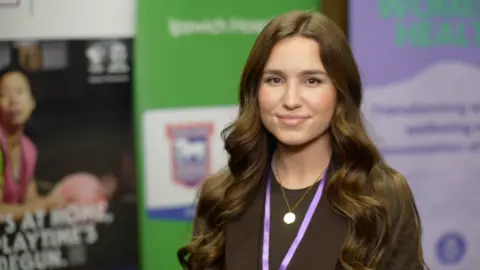
The success of such initiatives signals a promising future where women are not only informed but also empowered to demand and receive the high-quality, respectful healthcare they deserve. It’s a call for a healthcare system that moves beyond historical biases, embraces comprehensive research on female bodies, and fosters open communication between patients and providers. The momentum generated by events like "Let’s Talk Women Health" is crucial in driving this transformation, ensuring that the collective voice of women demanding better health outcomes can no longer be ignored. This journey towards equitable and informed women’s healthcare is ongoing, but the energy and commitment demonstrated in Ipswich suggest a future where women’s health is truly taken seriously, understood, and championed by all.