
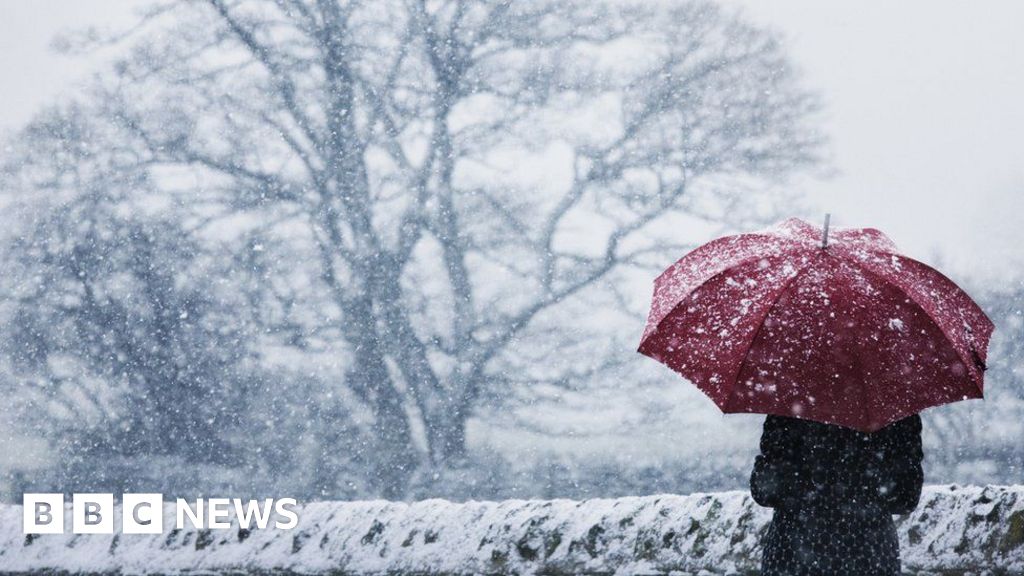
"As biting winds and icy conditions grip much of England, a Yellow Cold Health Alert has been issued, underscoring the critical need for vigilance, particularly among the elderly and those with pre-existing health conditions, to mitigate severe health risks."
A significant portion of England is currently under a Yellow Cold Health Alert, prompted by a combination of freezing winds, ice, and persistent wet weather. This alert, issued by the UK Health Security Agency (UKHSA) in collaboration with the Met Office, signals that the prevailing meteorological conditions pose a tangible risk to the health of vulnerable individuals. From Tuesday, February 17th at 18:00 GMT until Friday, February 20th at 18:00 GMT, regions spanning the East Midlands, East of England, North East, North West, West Midlands, Yorkshire and the Humber, and the South West are urged to take precautionary measures. This multi-day alert emphasizes the sustained nature of the cold snap and the potential for cumulative health impacts, particularly as temperatures remain low and wind chill factors exacerbate the feeling of cold.
The issuance of a Yellow Cold Health Alert is not merely a weather forecast; it is a public health directive designed to activate preventative measures and raise awareness of potential dangers. For the elderly, whose physiological responses to cold can be diminished, and individuals with chronic health conditions such as cardiovascular disease, respiratory illnesses, or diabetes, the risks are significantly elevated. Prolonged exposure to cold can strain the body’s systems, leading to a range of adverse health outcomes, from hypothermia and frostbite to an increased incidence of heart attacks, strokes, and respiratory infections. The geographical breadth of the alert highlights the widespread nature of the cold front, encompassing diverse populations and urban and rural settings across central, northern, and southwestern England.
The UK’s Comprehensive Weather Health Alert System
The Cold Health Alert is part of a sophisticated, national system meticulously managed by the UKHSA and the Met Office. This collaborative framework, which also includes Heat Health Alerts during summer months, operates annually from November 1st to March 30th for cold weather and June 1st to September 30th for heat. Its primary objective is to minimise illness, hospital admissions, and fatalities attributable to extreme temperatures. Beyond merely informing the public, the system acts as a critical communication channel, delivering timely guidance and alerts directly to NHS England, governmental bodies, and frontline healthcare professionals. This ensures a coordinated national response, enabling health and social care services to prepare for increased demand and implement targeted interventions to protect at-risk populations.
The system’s design reflects a proactive public health strategy, moving beyond reactive responses to extreme weather events. By integrating meteorological forecasting with public health intelligence, it provides an early warning mechanism that allows for preparation and preventative action. This foresight is crucial, given the well-documented impact of temperature extremes on morbidity and mortality. The alerts serve as a trigger for a cascade of actions, from public information campaigns advising on staying warm and safe, to clinical guidance for healthcare providers on managing cold-related conditions, and operational directives for local authorities and emergency services. This holistic approach underscores the recognition that weather is not just an environmental phenomenon but a significant determinant of public health.
Decoding the Alert Levels: From Green to Red
The severity of a weather health alert is categorised into four distinct levels, each corresponding to a different degree of risk and requiring specific responses. These levels, ranging from Green to Red, are dynamically determined based on Met Office forecasts and real-time data, ensuring that the public and health services are always informed of the current threat level.
-
Green (Normal): This is the baseline level, indicating minimal risk to health from the weather. At this stage, the emphasis is on general preparedness. Public health advice focuses on maintaining a healthy indoor environment, staying informed about weather forecasts, and understanding how to respond should temperatures change. It’s a period for planning and ensuring that homes are adequately insulated and heating systems are functional.
-
Yellow (Alert and Readiness): As currently issued, a Yellow alert signifies that cold or hot weather is likely to affect particularly vulnerable individuals, such as the elderly, young children, or those with existing health conditions. The weather conditions at this level are not expected to pose a significant risk to the general healthy population, but services are advised to be ready for potential increases in demand from at-risk groups. The advice focuses on checking on vulnerable neighbours, ensuring homes are warm, and being mindful of personal health. This is a crucial threshold, as it activates targeted interventions and communication to safeguard those most susceptible.
-
Amber (Enhanced Response): An Amber alert is a more serious warning, indicating that weather conditions could pose a risk to the entire population, not just the vulnerable. At this level, there is a strong likelihood of significant impacts on health services, with an anticipated increase in demand for GP appointments, ambulance call-outs, and hospital admissions. Furthermore, Amber alerts often coincide with a heightened probability of travel disruption, including icy roads, heavy snowfall, or heat-related infrastructure issues. The advice extends to the general public, urging caution and preparation for potential disruptions to daily life and services.
-
Red (Emergency Response): This is the highest and most severe level of alert, reserved for situations where extreme weather conditions pose a significant risk to life, even for healthy individuals. A Red alert implies a critical threat to national infrastructure, with a high probability of widespread power outages, severe travel closures (roads, rail, air), and potential failures in communication networks. In such scenarios, an emergency response is activated across all sectors, and the public is advised to take immediate and decisive action to protect themselves, often including staying indoors and avoiding all non-essential travel. The implications for society are profound, necessitating a coordinated national effort to mitigate widespread harm.
The Physiological Toll of Cold Weather
The human body is remarkably adaptable, but prolonged exposure to cold can push its thermoregulatory systems to their limits, leading to a cascade of physiological stresses. Professor Damian Bailey, a leading expert in the field, highlights 18°C as a critical "tipping point" for the body; below this temperature, the body must actively work harder to maintain its core temperature of approximately 37°C. This increased effort can have significant health repercussions, particularly for those already vulnerable.
One of the immediate responses to cold is vasoconstriction, where blood vessels narrow to reduce heat loss from the skin. While effective, this also increases blood pressure and heart rate, placing extra strain on the cardiovascular system. For individuals with underlying heart conditions, this can trigger angina, heart attacks, or strokes. The blood also becomes thicker and stickier in cold conditions, increasing the risk of clot formation, which further contributes to cardiovascular events.
The respiratory system is also highly susceptible. Cold, dry air can irritate the airways, exacerbating conditions like asthma and chronic obstructive pulmonary disease (COPD). Furthermore, cold weather is intrinsically linked to an increase in respiratory infections such as influenza (flu), common colds, and pneumonia. Viruses and bacteria tend to spread more easily in cooler, drier air, and indoor crowding during winter also facilitates transmission. Pneumonia, a severe lung infection, is notably more prevalent following cold snaps, often developing from less severe initial infections. The immune system itself can be compromised by cold stress, making the body less effective at fighting off pathogens.
Beyond respiratory and cardiovascular impacts, cold weather contributes to the spread of other seasonal illnesses. Norovirus, commonly known as the "winter vomiting bug," sees a significant surge in cases during colder months. This highly contagious virus thrives in environments where people are in closer proximity indoors, making it a pervasive threat in schools, hospitals, and care homes.
A compelling experiment conducted by presenter James Gallagher illustrated these physiological changes firsthand. After spending just 30 minutes in a room where the temperature dropped from a comfortable 21°C to a chilly 10°C, his body exhibited marked responses: blood flow to his brain decreased, his blood pressure and heart rate elevated, the temperature of his extremities plummeted, and his cognitive function, measured by puzzle-solving speed, significantly deteriorated. This practical demonstration vividly underscores the body’s struggle to maintain homeostasis in cold environments and the broad impact on various bodily functions, including cognitive performance.
Safeguarding Health During Cold Snaps
Given the profound effects of cold weather on health, proactive measures are essential to minimise risks, especially during a Yellow Cold Health Alert.
For Individuals:
- Stay Warm: Layering clothing is key. Wear several thin layers rather than one thick one, as trapped air between layers provides better insulation. Essential items include gloves, warm socks, and a woolly hat, as a significant amount of body heat can be lost through the head and extremities. When indoors, ensure your home is heated to at least 18°C (64°F) in rooms you are using.
- Keep Active: Moving around helps generate body heat. Simple activities like walking around the house, doing light exercises, or even just regular stretching can make a difference. Avoid sitting for long periods.
- Nourishment and Hydration: Eating a higher carbohydrate diet can provide the energy needed to stay warm. Hot drinks and regular meals also help maintain core body temperature. While it might feel warming, avoid excessive alcohol consumption, as it causes vasodilation, leading to greater heat loss from the skin.
- Check on Others: Take the time to check on elderly neighbours, friends, and relatives, or anyone else who might be vulnerable. Ensure they are warm, have enough food, and are coping with the conditions. Offer practical help if needed, such as collecting prescriptions or groceries.
For Homeowners:
- Heating and Insulation: Ensure your heating system is in good working order and set to an appropriate temperature. Adequate home insulation (lofts, walls, windows) is crucial for retaining heat and reducing energy costs.
- Carbon Monoxide Safety: If using gas or solid fuel heating, ensure you have working carbon monoxide detectors. Cold weather often leads to increased use of heating, raising the risk of carbon monoxide poisoning from faulty appliances.
- Draft-Proofing: Seal gaps around windows and doors to prevent cold air from entering and warm air from escaping.
Seeking Medical Advice:
- If you or someone you know begins to feel unwell with symptoms like shortness of breath, chest pain, dizziness, or confusion, or if you suspect hypothermia (shivering, cold skin, confusion), seek medical advice immediately. Dial NHS 111 for non-emergencies or 999 for emergencies.
The Yellow Cold Health Alert serves as a timely reminder of the winter season’s inherent challenges and the importance of community vigilance. By understanding the risks and taking appropriate preventative actions, individuals can significantly mitigate the health impacts of cold weather, ensuring safety and well-being for all, especially the most vulnerable members of society.