
"The current social care system in England is a confusing, cobbled-together entity, fundamentally divided from health services and reliant on the exploitation of its underpaid workforce. Urgent, cross-party action is imperative to address these systemic failings and prevent a deepening crisis for vulnerable citizens."
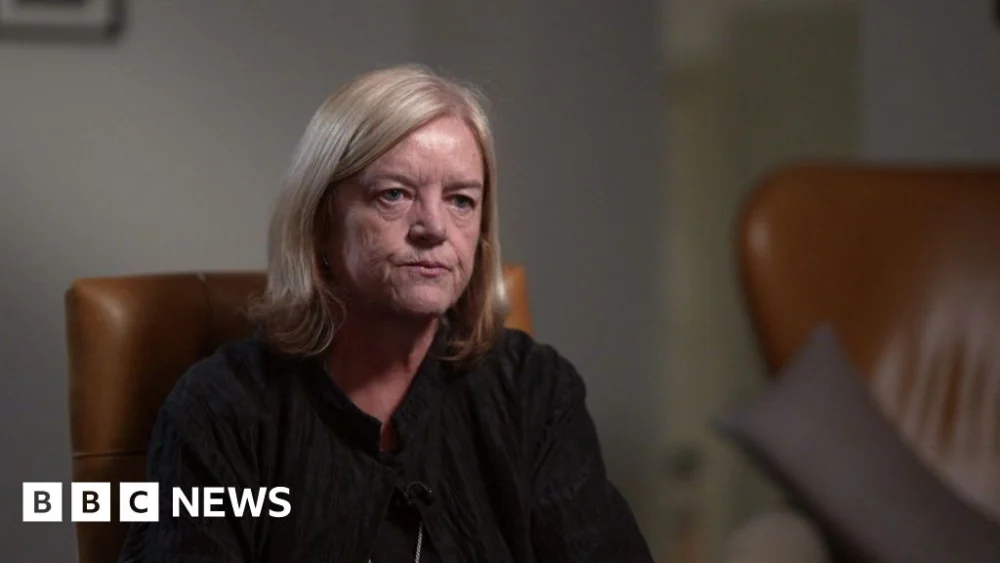
Baroness Louise Casey, chair of the independent commission on adult social care, has delivered a stark assessment of England’s social care landscape, describing it as a system in disarray, plagued by deep structural flaws and a critical imbalance. Her preliminary findings, presented on Thursday afternoon, paint a grim picture of fragmented services, inadequate support for vulnerable populations, and a workforce stretched beyond its limits. Casey’s declaration that the UK faces a "moment of reckoning" underscores the profound urgency for immediate and transformative government action to dismantle the existing barriers between health and social care and to establish a system that genuinely prioritizes the needs of individuals.
The Fragmented Landscape of Care
Baroness Casey’s critique highlights a care system for older and disabled people in England that is not merely inefficient but fundamentally "cobbled together and confusing." This description resonates with the lived experiences of countless individuals and families attempting to navigate a labyrinthine network of services. The core of the problem, as Casey articulates, lies in a "deep and fundamental divide" between health and social care. While the public perceives a holistic need for support, the institutional structures separate medical treatment from daily assistance, personal care, and long-term support. This artificial bifurcation, she contends, serves "the institutions, not the patient or the person."
Historically, the National Health Service (NHS), established following the landmark Beveridge Report more than 80 years ago, was founded on principles of universal access and care free at the point of need, funded through general taxation. Social care, however, developed on a different trajectory, largely administered by local authorities and often subject to means-testing. This divergence has created a persistent two-tier system where health needs are met, but social support – crucial for maintaining independence, dignity, and quality of life – becomes a postcode lottery, often contingent on personal wealth or the severity of one’s condition. The consequences are dire: needs are "barely met at all," or addressed "late and in piecemeal and random ways," leaving individuals and their families in distress.
The Exploitation of the Care Workforce
Central to Casey’s indictment is the "total reliance nationally on underpaying care workers" and the systemic exploitation of this vulnerable workforce. Care staff, the backbone of the entire system, frequently earn less than the minimum wage, are often not compensated for travel time between appointments, and lack basic benefits such as paid holidays. This stands in stark contrast to their counterparts in the NHS, who benefit from better pay, terms, and conditions.
Baroness Casey provided a compelling example of this disparity, recounting how two NHS hospital trusts attempting to establish their own care services found them financially unviable because they could not match NHS pay scales. This anecdote vividly illustrates the systemic undervaluing of care work. As Casey bluntly stated to an audience of health and social care professionals in Windsor, "We all know, including councils and the NHS, that we exploit the weakness of the care workforce."
This exploitation has profound implications. It leads to high turnover rates, difficulties in recruitment and retention, and a constant drain of skilled and compassionate individuals from the sector. The lack of investment in the workforce directly impacts the quality and continuity of care, placing immense pressure on those who remain and, ultimately, on the individuals receiving support. A fair pay commitment for care workers, coupled with rigorous oversight to ensure taxpayer money is "spent well, and being spent properly," is not just an ethical imperative but a foundational step towards stabilizing the system.
Urgent Recommendations for Immediate Action
To address the immediate failings, Baroness Casey put forth several interim recommendations, urging the government to act without delay. These include:
- Establishing a National Adult Safeguarding Board: This would provide a cohesive, national framework to protect vulnerable adults from abuse and neglect, ensuring consistent standards and responses across England. Currently, safeguarding responsibilities are often fragmented, leading to inconsistencies and gaps in protection.
- Introducing a Full-Time Dementia Tsar: With dementia being one of the most significant health challenges of our time, a dedicated tsar would provide national leadership, advocacy, and strategic direction to improve services, support research, and better coordinate care for the growing number of people living with dementia and their families. Families currently "bear the brunt" with insufficient information or support, a burden that a tsar could help alleviate by driving systemic improvements.
- Creating a New Fast-Track Passport for Motor Neurone Disease (MND) Patients: This recommendation addresses a particularly egregious failing. MND is a brutal, rapidly progressive, and terminal illness, yet patients often face protracted bureaucratic hurdles, multiple assessments, and means tests. A fast-track passport would streamline access to essential care and support, acknowledging the incredibly short life expectancy (a third of patients die within 12 months of diagnosis) and the critical need for immediate, coordinated intervention. As Casey powerfully questioned, "If we can’t look after people that get the diagnosis of motor neurone disease… using this collective NHS and social care system, who can we look after?"
The Broader Implications: A System in Crisis
The "horrendous" experiences of people trying to access social care in England are a symptom of a much larger systemic malaise. The current model is fragile and deeply divided, marked by drawn-out discussions over who pays for what, creating an anxiety-laden and confusing environment for those in need. This has significant societal ramifications. Informal carers, often family members, shoulder an immense burden, impacting their own health, finances, and ability to participate in the workforce. For the NHS, a struggling social care system translates into "bed blocking," where medically fit patients cannot be discharged due to a lack of available social care packages, further straining hospital resources.
Baroness Casey’s independent commission, which commenced its work last summer, is tasked with thoroughly examining these problems. Its initial phase aims to produce a report this year outlining a plan for the creation of a National Care Service, conceptually mirroring the NHS. However, the more complex and politically fraught question of how social care will be funded in the longer term has been relegated to a second phase, with a report not due until 2028. This extended timeline underscores the monumental challenge of reforming a system that has long been neglected and underfunded.
Calls for Cross-Party Consensus
Recognizing the scale of the necessary changes, Casey emphasized the crucial need for cross-party support, urging politicians to cease using social care as a "political football." The issue transcends party lines, affecting every family in the country, and requires a unified, long-term vision rather than short-term political maneuvering. The "seismic changes" required are comparable to the post-Beveridge era, demanding a fundamental ‘stock-take’ to create an adult social care system fit for the 21st century population.
Reactions from key stakeholders underscore the broad agreement with Casey’s assessment. The Association of Directors of Adult Social Services (ADASS) welcomed the speech, stating it "shines a welcome light on adult social care – an issue that has been missing from our national debate for far too long." The MND Association expressed being "heartened" by the fast-track passport recommendation, reiterating that "People with a disease as devastating as MND should never have to fight to access the services they need." Liberal Democrat Leader Ed Davey echoed these sentiments, criticizing both the government and opposition for perceived inaction and warning against further delays that leave "elderly people suffer and hospitals… filled with people waiting for care."
The comprehensive nature of Baroness Casey’s findings and recommendations presents a critical juncture for England’s social care future. Her work lays bare the urgent necessity for structural reform, adequate funding, and a profound shift in how society values and supports its most vulnerable members and the dedicated professionals who care for them. The "moment of reckoning" is here, demanding an unwavering commitment from policymakers to build a resilient, compassionate, and equitable care system for all.