
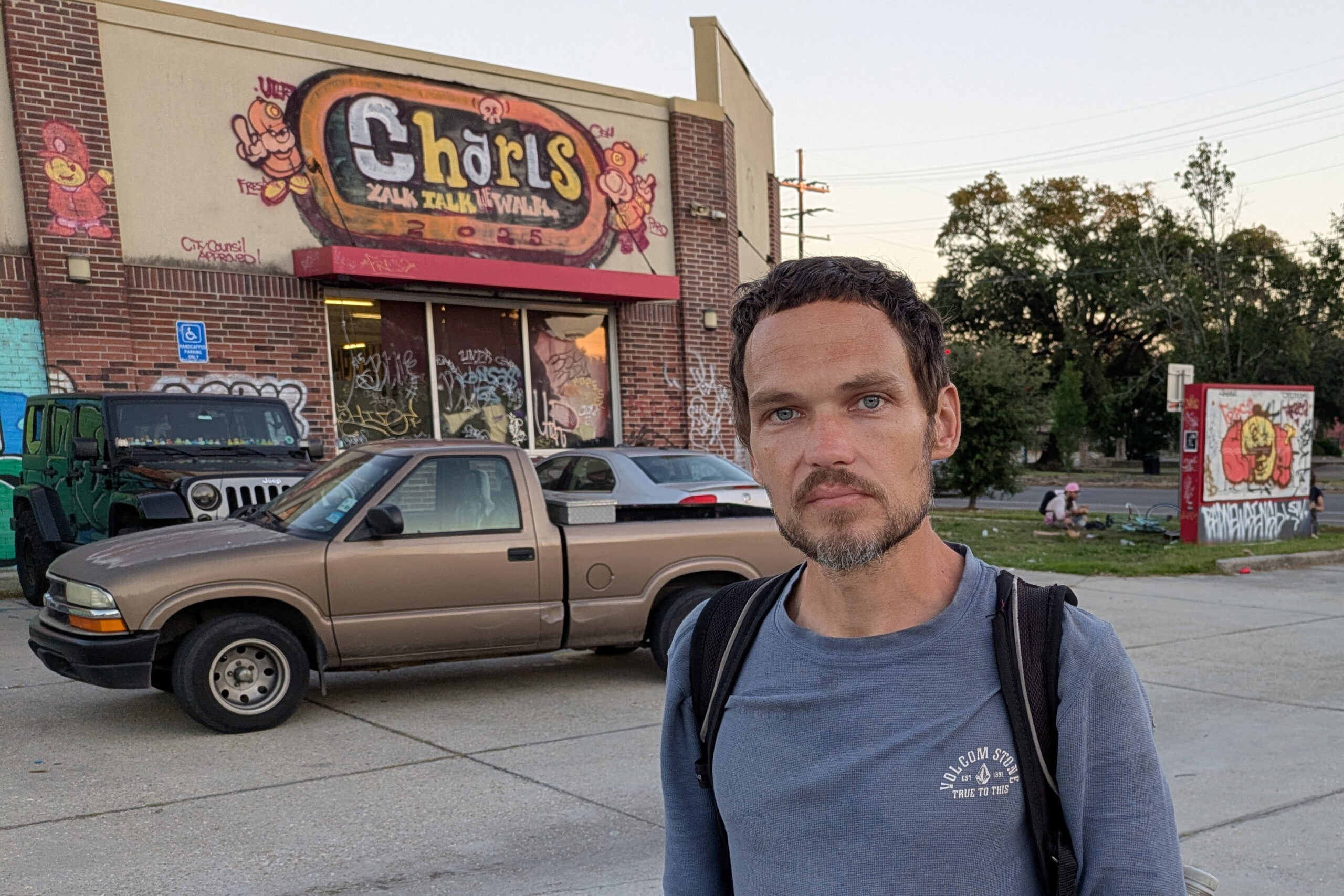
"We’re going to make sure we provide community support." This simple yet profound mission drives the Fred Hampton Free Store, an unconventional sanctuary transforming a derelict building in New Orleans’ Lower Ninth Ward into a vital lifeline for a community historically marginalized and disproportionately affected by systemic neglect and natural disasters.
Nestled within the enduring shadows of Hurricane Katrina’s devastation, the former Family Dollar store on General Taylor Street in New Orleans’ Lower Ninth Ward presents a stark exterior. Graffiti covers its facade, and the surrounding parking lot is littered with aluminum cans and debris, mirroring the broader landscape of vacant lots and dilapidated buildings that symbolize the persistent struggles of one of the city’s poorest neighborhoods. Yet, stepping inside reveals a stark contrast: a welcoming oasis brimming with generosity and purpose. Donated clothing hangs neatly on shelves adorned with string lights, while racks and bins overflow with children’s books, allergy medication, and essential personal hygiene items. A curtained-off area conceals a performance space, complete with a neon sign depicting roller skates, hinting at the weekly free roller skating nights that foster camaraderie and joy. This multifaceted space, described by its administrator Dan Bingler as a "radical community center," functions as a free thrift store, an over-the-counter pharmacy, a venue for punk concerts, and, most importantly, a hub for mutual aid.
Bingler, a local waiter and bartender, founded the Greater New Orleans Caring Collective (GNOCC) to bring this vision to life. He explained that the building’s owners permit him to use the space rent-free, provided he covers the costs of utilities and trash collection. This arrangement allows the GNOCC to operate as a vital support system, particularly on Monday afternoons when volunteers from various community organizations converge. Some of these volunteers previously operated from the very parking lot that now surrounds the store before Bingler secured the indoor space. Their presence offers a critical array of services, including free sexually transmitted infection testing, basic medical care, hot meals, sterile syringes, and other harm reduction supplies for individuals who use drugs. The underlying philosophy is straightforward: "We’re going to make sure we provide community support," Bingler stated.
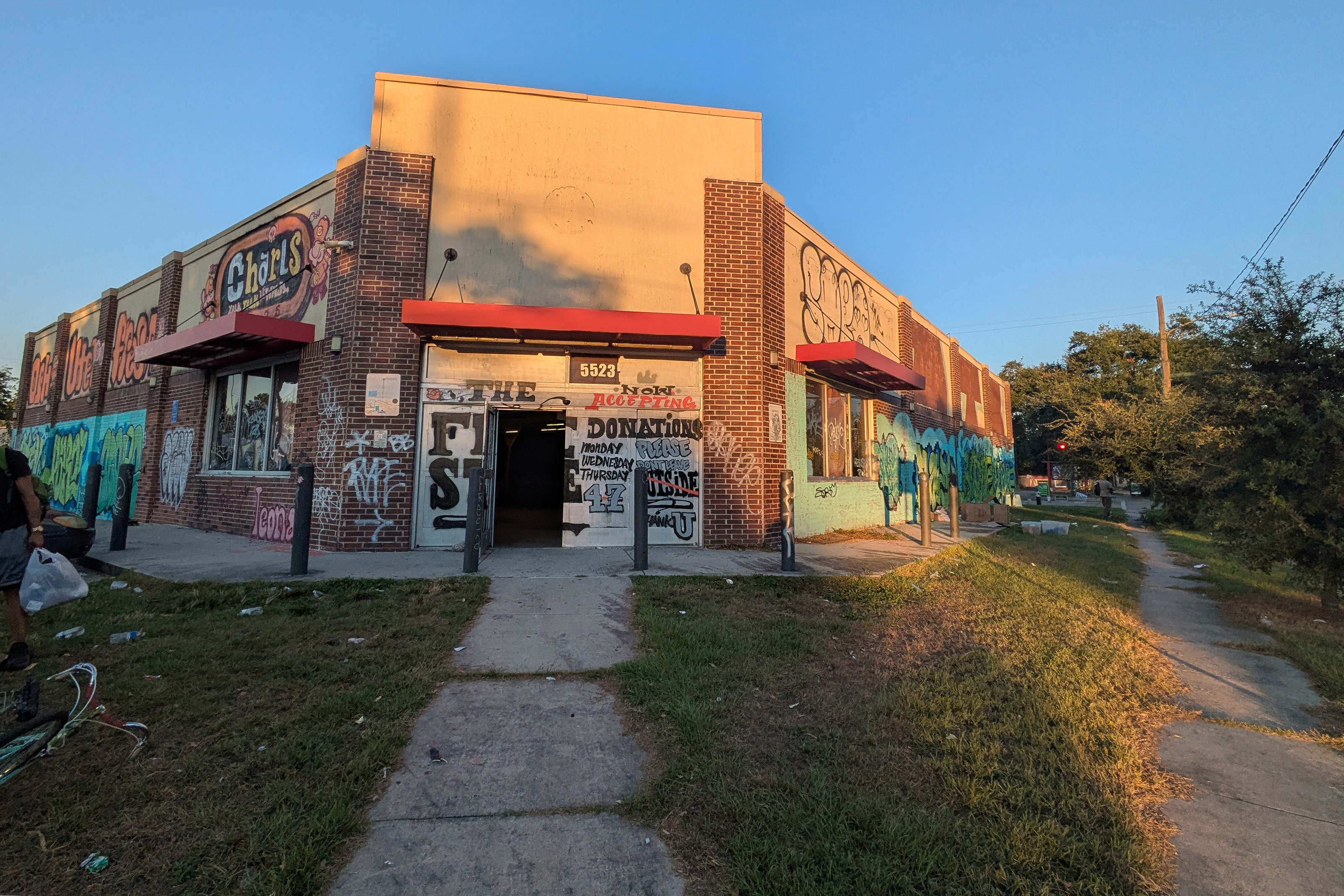
While the Fred Hampton Free Store has been operational for several years, its significance has amplified in recent months. This heightened importance coincides with a period of significant shifts in federal social policy, marked by the Trump administration’s budgetary cuts to numerous social service organizations and a more punitive approach toward homelessness and drug use. In Washington D.C., the administration has undertaken measures such as demolishing encampments to displace individuals experiencing homelessness, pushing them to leave the city. Nationally, there have been calls to mandate treatment for individuals struggling with substance use and mental health issues. Furthermore, the administration has signaled a move away from harm reduction strategies – public health interventions designed to minimize the negative consequences of drug use and promote safety. While public health experts advocate for these strategies as life-saving, critics argue they may inadvertently encourage illegal substance use.
The Fred Hampton Free Store, named in honor of the prominent Black Panther Party activist Fred Hampton, a fervent advocate for uniting diverse groups to achieve social reform, stands as a direct counterpoint to these policy shifts. Bingler emphasized that the center receives no federal funding, nor does it rely on state or local grants or foundation money. "It’s just neighbors helping neighbors," he said, his voice thick with emotion, adding, "It’s a really beautiful thing to be able to share this space." The resources available at the store are entirely community-sourced, with donations pouring in from individuals and organizations. Bingler recounted one instance where a local hotel undergoing renovation contributed 50 flat-screen televisions, illustrating the varied and often unexpected forms of support the store receives. On evenings when the store is open, it typically serves more than 100 individuals, a testament to its widespread impact.
During a recent autumn evening, the store buzzed with activity. Dozens of people browsed for free clothing and over-the-counter medications. Others sat on the lawn, engaged in conversation while keeping watch over their bicycles and shopping carts laden with their possessions. James Beshears, who uses sterile supplies obtained from the harm reduction group operating in the parking lot for injecting heroin and fentanyl, paused to collect his supplies. He shared his journey, having been in treatment for years before relapsing when his doctor moved and he was referred to a clinic with a prohibitive daily cost of $250. The affordability of street drugs, he noted, made treatment financially inaccessible. Beshears expressed a desire to cease drug use, but until he can access affordable medical care, the free store provides a crucial lifeline. "I’d have one foot in the grave" without it, he stated grimly.
Another individual, waiting for Aquil Bey, a paramedic and former Army Special Forces member renowned for helping people overcome barriers to medical care, approached him. Upon spotting Bey’s black van, the man rushed to meet him. "I have stage 4 kidney disease," he explained, adding that he had hospital appointments but struggled with transportation. Bey, as he began unloading folding tables and medical equipment from his vehicle, responded, "Do me a favor. When our team arrives, come see us. Maybe we can get you transportation." Bey is the founder of Freestanding Communities, a volunteer-driven organization that offers basic medical care and referrals to individuals experiencing homelessness, drug use, or other vulnerabilities. His group maintains a consistent presence at the free store.

On that particular day, Bey and his team connected the man with kidney disease to low-cost transportation programs. They also conducted blood pressure and blood sugar checks, treated infected wounds, and contacted clinics on behalf of patients without phone access. Another man, suffering from a leg injury and revealing he slept on the concrete floor of an abandoned naval base, was directed by Bey to a mattress available in the store’s furniture section. Together with another volunteer, Bey helped secure the mattress to the roof of a car and transported it to the man’s sleeping location. "We’re trying to identify all these barriers" people face and "figure out ways to solve them," Bey articulated.
The clinic at the Fred Hampton Free Store also played a pivotal role in helping Stephen Wiltz connect with treatment for his addiction. A native of the Lower Ninth Ward, Wiltz began using drugs at the age of 10. Weary of the discrimination he faced from doctors who blamed him for his addiction, Wiltz had avoided treatment centers. However, after years of building trust with the volunteers at the free store, he felt comfortable seeking their guidance. At 56, he reported being in sustained recovery for the first time in his life during a phone interview in the fall. "They took care of people who didn’t have anyone to take care of them," he affirmed.
As dusk settled over the neighborhood, a punk band began setting up for a performance in the same hall as the medical clinic. The lights dimmed, and the music swelled, a vibrant reminder that this space is far from a conventional clinic or community center. Bey continued to attend to a patient with gout, unfazed by the music. "I’ve gotten used to the sound," he remarked, referring to the rapid drumming and powerful chords. "Sometimes I even like it." The juxtaposition of the music and the medical care underscores the store’s holistic approach, blending support services with a sense of community and cultural expression, creating a truly unique and radical sanctuary.