
"Being ignored and at risk of missing essential medical information due to a lack of British Sign Language interpreters is a fundamental denial of a basic human right to healthcare access, fostering a profound sense of powerlessness and inequality within the deaf community."
This statement encapsulates the critical challenges faced by deaf individuals navigating the UK healthcare system, where systemic failures in providing adequate communication support lead to profound distress, delayed care, and a significant risk to patient safety. The chronic shortage of qualified British Sign Language (BSL) interpreters, coupled with insufficient institutional awareness and protocols, creates an environment where deaf patients are frequently denied independence, dignity, and equitable access to vital medical services.
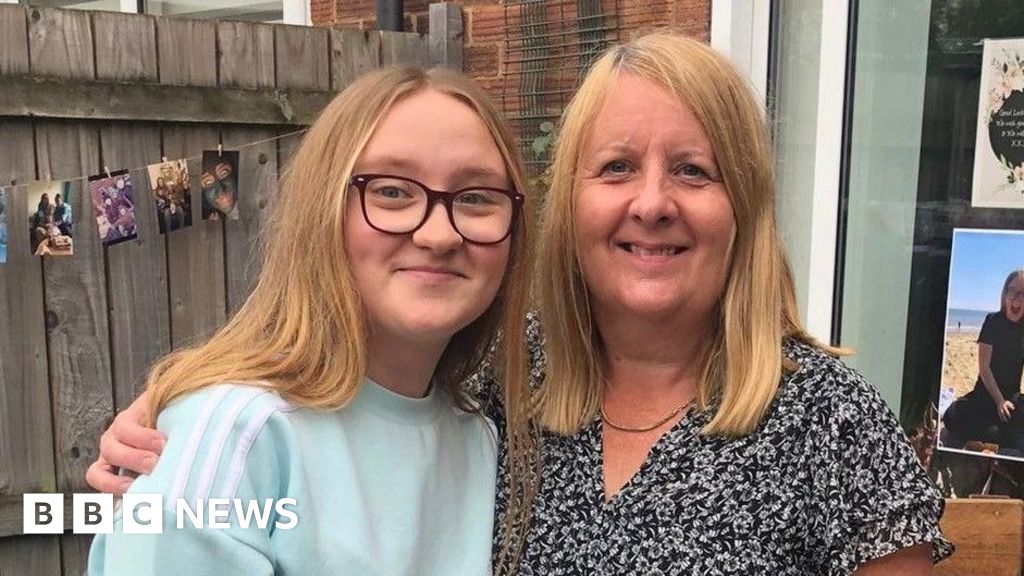
Across the Humber and North Yorkshire regions, and indeed nationwide, deaf patients are encountering significant communication barriers that compromise their right to accessible healthcare. Millie, a young patient, vividly describes the profound frustration and vulnerability she experiences when healthcare staff fail to provide a BSL interpreter. "I feel like I’m being ignored," she stated, highlighting the emotional toll of such oversight and the dangerous potential for "missing out on essential information" during critical medical discussions. A particularly egregious example of this systemic disconnect occurred when staff repeatedly attempted to contact her via telephone to discuss appointments, despite her explicit communication about her inability to hear. This reliance on inaccessible communication methods not only demonstrates a lack of understanding but also strips Millie of her autonomy, forcing her to depend on others to ascertain the purpose of these calls.
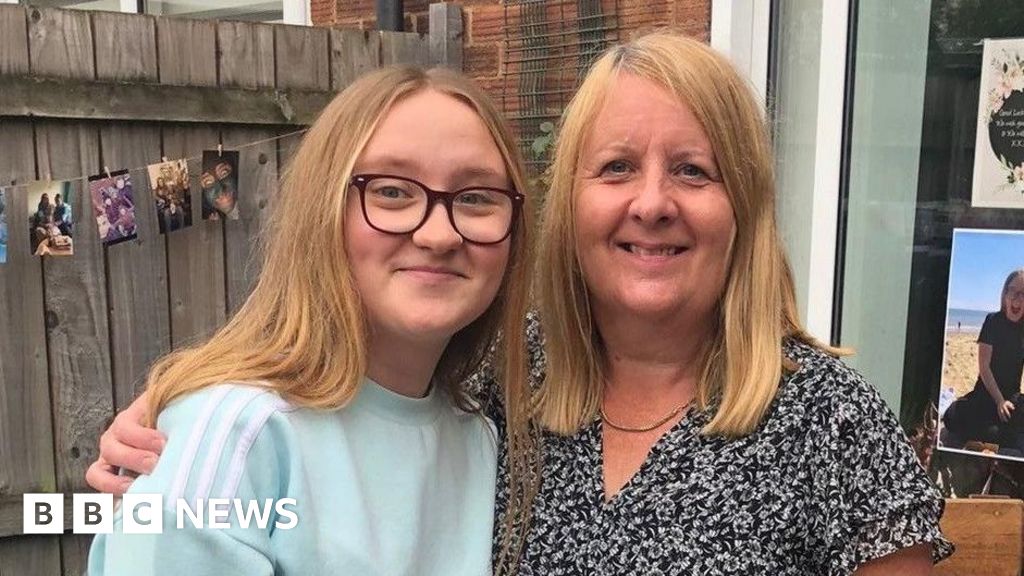
The severity of these communication failures escalated dramatically on the day of Millie’s surgery. Arriving at 7 AM, she was informed that her pre-booked interpreter had cancelled. While a nurse capable of "basic signing" was available, this compromise was deemed unacceptable by Millie’s mother, Joanne Neadley, who is also deaf. Joanne recounted the pre-surgical delays, emphasizing Millie’s urgent need for the procedure due to breathing difficulties. "It had been delayed, delayed, delayed and she just wanted it over with," Joanne explained, underscoring the added stress of the interpreter’s absence. Despite acknowledging the nurse’s kindness, Joanne firmly asserted, "We want a proper BSL-qualified interpreter," advocating for the professional standard necessary for complex medical consultations. This incident illustrates a critical gap in healthcare provision, where the absence of a qualified interpreter can transform a routine medical event into a deeply distressing and potentially risky ordeal.
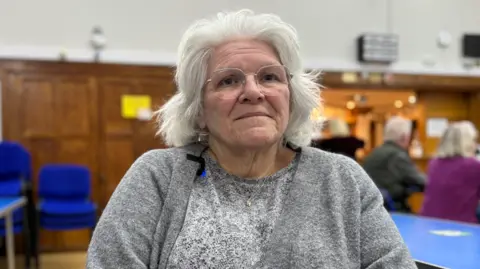
Rachel Duke, a 38-year-old from Hull, shares a similarly disheartening narrative, reflecting the generational impact of these systemic issues within her profoundly deaf family, now in its sixth generation. For Rachel, the seemingly simple act of calling a GP surgery at 8 AM for an appointment is an insurmountable hurdle, necessitating reliance on a hearing person. Her experiences are replete with instances of arriving at appointments only to discover no interpreter had been arranged, forcing her to rely on family members for communication—a burden that should not fall on loved ones, especially in sensitive medical contexts. One particularly illustrative incident involved taking her deaf son to the GP. They diligently watched the display screen for his appointment call, but after a prolonged wait, Rachel approached reception. "They said, ‘We called your name, but you never came?’" she recounted, highlighting the display screen’s failure to update. The outcome was a missed appointment, requiring a rescheduled visit. Rachel’s plea resonates with a broader call for justice: "I don’t want to rely on hearing people. I want to do it myself. Equality, that’s what we need. I feel like we’re at the bottom. We’re never understood." Her words encapsulate the profound sense of marginalization and disempowerment experienced by many within the deaf community.
At the heart of these pervasive communication failures lies a critical national shortage of qualified British Sign Language (BSL) interpreters. Heather Peachey, a Level 6 BSL interpreter from Barton-upon-Humber, underscores the stark reality, stating she is the only qualified, registered interpreter in both North and North-East Lincolnshire. Her personal journey into interpreting began out of necessity, following her younger sister’s profound deafness diagnosis at age five. However, her path to qualification was arduous and financially demanding. "I had to stop part way because I ran out of money," she revealed, emphasizing the self-funded nature of BSL training. It was only through an inheritance from her father that she was able to complete her training and become registered 14 years ago. Peachey highlights the significant investment required, comparing it to learning any other complex language, often taking "six, seven years to become competent and qualified as an interpreter" for someone starting without prior knowledge. Signature, the BSL exam board, estimates the cost for Level 6 interpreter training alone to be approximately £6,000, a substantial barrier for many aspiring interpreters.
The National Register of Communication Professionals working with Deaf and Deafblind People (NRCPD), the voluntary regulator for language service professionals, mandates that only experienced, Level 6 qualified interpreters are suitable for medical appointments and surgeries. Yet, the scarcity is alarming; the NRCPD lists only five such interpreters within a 25-mile radius of Hull. Sarah Regan, the residential manager at the Hull Deaf Centre, confirms this critical deficit, describing qualified individuals as "few and far between." She points to a fundamental flaw in the educational pipeline: "There’s just not enough training. If you went into any school in Hull and asked them what they want to do, I doubt you’d get one coming back saying they want to be a BSL interpreter." Regan advocates for government intervention, suggesting that "the people who are learning sign language, paying out of their own pockets, should be applauded and encouraged financially with some money from the government" to address this severe shortage.
The Royal National Institute for Deaf People (RNID) unequivocally states that "equal access to healthcare is a basic human right." Their research consistently "exposed widespread failings affecting people who are deaf when accessing NHS services," validating the anecdotal evidence provided by Millie and Rachel. These communication barriers are not merely inconveniences; they pose significant health risks, potentially leading to misdiagnoses, delayed treatments, and poorer health outcomes for deaf individuals. The inability to fully understand medical information, consent to procedures, or communicate symptoms effectively can have life-altering consequences. Beyond the immediate medical risks, the psychological impact of feeling ignored, misunderstood, and disempowered within a system designed to care for you is profound, contributing to feelings of isolation and a diminished sense of dignity.
When approached for comment, NHS England and the Department of Health and Social Care referred inquiries to the Integrated Care Board (ICB) for the Humber and North Yorkshire region, an entity tasked with reducing health inequalities. A spokesperson for the ICB acknowledged the pressing need for improved interpreter provision, affirming their collaboration with the Hull Deaf Centre to identify and address these barriers. In response, the ICB has initiated new training tools for NHS staff, including educational films developed with input from deaf individuals, aiming to enhance deaf awareness and improve communication practices.
However, the ICB spokesperson also highlighted the "long-term challenge" posed by the limited number of fully qualified BSL interpreters in the region and the demanding seven-year training route, underscoring the need for "national attention" to this systemic issue. The ICB is actively working with NHS partners to implement "real and urgent improvements." This comprehensive approach includes scrutinizing "the deaf patient journey from first contact through to complaints," aiming to identify and rectify pain points. Furthermore, efforts are underway to leverage "BSL-enabled technology," streamline interpreter booking processes, intensify deaf awareness training for healthcare staff, and ensure all services rigorously meet the Accessible Information Standard. These steps, while crucial, represent an ongoing commitment to dismantling deeply entrenched barriers.
The experiences of Millie, Rachel, and countless others illuminate a critical deficiency in the healthcare system’s ability to uphold the fundamental right to equal access for deaf individuals. The current landscape, characterized by a severe shortage of qualified BSL interpreters, significant financial and time barriers to training, and insufficient institutional awareness, creates a precarious situation for deaf patients. Addressing this crisis requires a multi-faceted approach encompassing government investment in BSL interpreter training, robust policy enforcement, continuous staff education, and the integration of accessible communication technologies. Only through such comprehensive and sustained action can the healthcare system truly deliver on its promise of equitable care for all, ensuring that deaf individuals are no longer left feeling "ignored" and "at the bottom."