
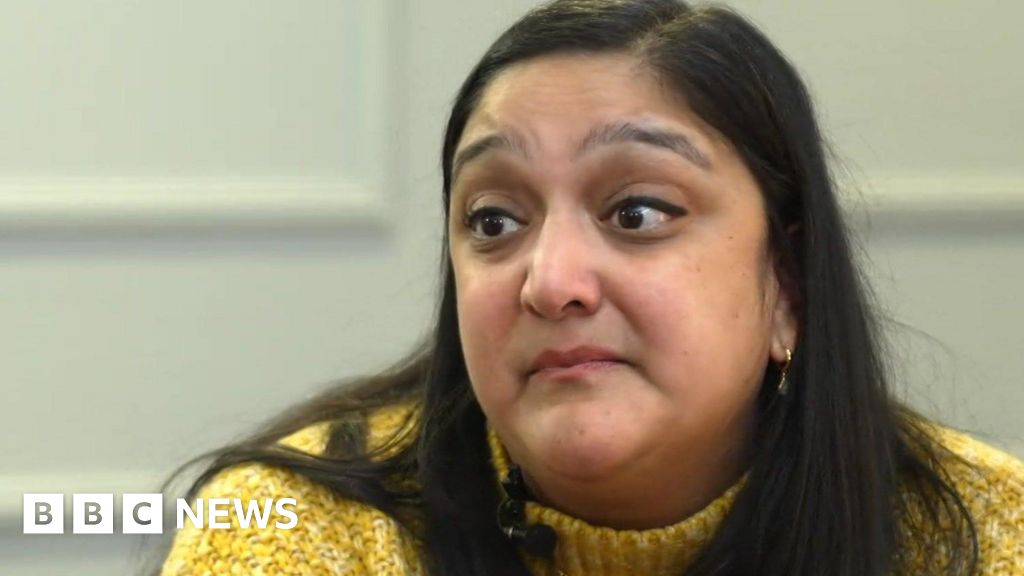
A pivotal ruling by the Employment Appeal Tribunal has declared that endometriosis can constitute a disability under the Equality Act 2010, establishing a critical precedent for individuals facing discrimination in the workplace due to this often-debilitating chronic condition. This decision underscores the urgent need for employers to recognize and accommodate the challenges faced by employees with invisible illnesses.
The recent Employment Appeal Tribunal (EAT) decision in the case of Sanju Pal versus Accenture UK Ltd marks a significant turning point for disability rights and women’s health in the workplace. This ruling, delivered in January 2026, has far-reaching implications, confirming that endometriosis can be classified as a disability under the Equality Act 2010 and that employers have a legal obligation to protect employees from discrimination based on this condition. The judgment sets a crucial precedent, challenging previous interpretations and empowering countless individuals living with endometriosis to seek fair treatment and reasonable adjustments in their professional lives.
Prior to her diagnosis, Sanju Pal embodied professional excellence. A highly accomplished management consultant at the prestigious City firm Accenture, her career trajectory was marked by consistent success and recognition. Her accolades included the coveted Asian Woman of Achievement Award, an invitation to 10 Downing Street, and even a meeting with the late Queen Elizabeth. These achievements painted a picture of a driven, high-performing individual who was a valuable asset to her organization.
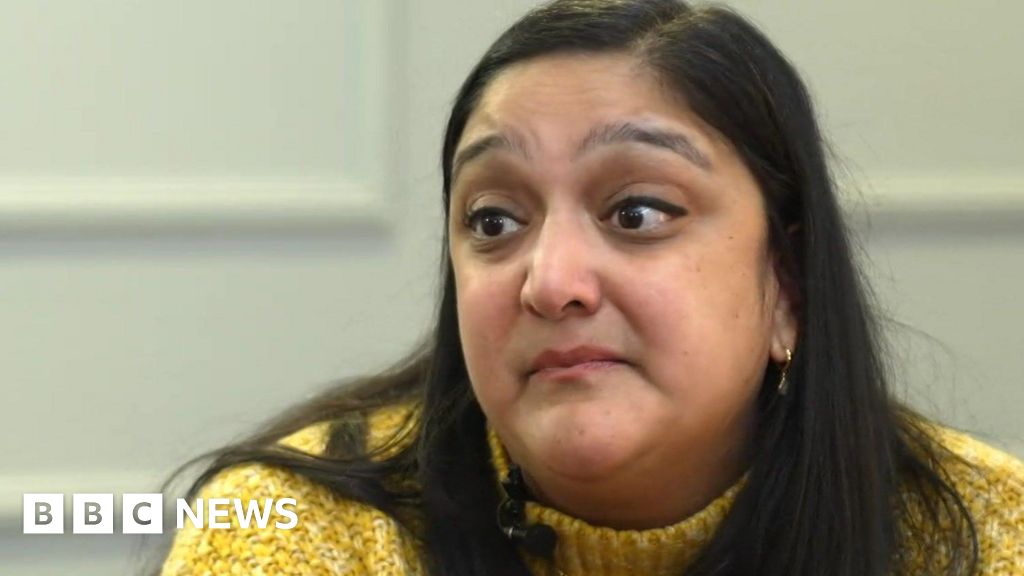
However, this celebrated career trajectory was abruptly derailed in 2018. Following necessary surgery to remove two large, fluid-filled cysts (endometriomas) from her ovaries, Sanju took time off for recovery. Upon her return, she found herself unable to meet the performance targets she had previously excelled at, a direct consequence of her ongoing health struggles. This led to her dismissal from Accenture, a decision that left her feeling profound shame and a sense of utter devaluation. "Suddenly it was taken away from me, and I became nothing," Sanju recalls, articulating the devastating emotional impact of losing her professional identity due to her health. She felt stripped of her former status, labeled as "not a high performer anymore because I had a disability."
Endometriosis is a complex and chronic condition where tissue similar to the lining of the uterus (the endometrium) grows outside the uterus. These growths can occur on the ovaries, fallopian tubes, and pelvic lining, but can also be found on the bowel, bladder, or, in rare cases, even further afield in the body. Unlike normal uterine lining, this displaced tissue has no way to exit the body during menstruation, leading to internal bleeding, inflammation, pain, and the formation of scar tissue and adhesions. The severity of symptoms varies widely among individuals but can include debilitating pelvic pain, heavy bleeding, painful periods, pain during intercourse, fatigue, and infertility. There is currently no definitive cure, with treatments primarily focused on managing pain and, in some cases, surgical removal of endometrial growths.
In Sanju’s specific case, her diagnosis in 2017 revealed severe, deep endometriosis classified as Stage 3 endometrioma. This included a substantial 7.5cm (3in) cyst on her left ovary and another, smaller cyst on her right. Such extensive growths necessitated immediate surgical intervention and a subsequent period of recovery. After a month off work, Sanju returned, a decision she quickly realized was premature. Despite communicating her struggles to HR, detailing her persistent pain, bleeding, and overwhelming fatigue, she continued to push herself, driven by ambition and a desire to achieve senior manager status. This struggle, however, was not met with understanding or support. At her six-month review, after nearly a decade of exemplary service, she was informed she would not meet her performance target and was subsequently terminated. The abruptness of her dismissal, being told to leave the building and forbidden from contacting colleagues, compounded her feelings of isolation and despair. "I wasn’t a high performer anymore, according to them, because I had a disability, because I was unwell and wasn’t going to be contributing to the business in the way that I had been before," she recounted.
The emotional fallout was immense. Sanju described feeling "so sad and shocked and anxious," retreating into herself and becoming "a shell of myself." The loss of her job was further exacerbated by the loss of her private medical insurance at a critical juncture in her illness, adding immense practical and financial pressure to an already challenging situation.

Having exhausted internal appeals, which upheld the original decision despite her providing further details of her condition, Sanju felt compelled to pursue legal action through an employment tribunal. In 2022, the initial tribunal found in her favor but, critically, declined to award compensation. This decision prompted Sanju to appeal. Her perseverance paid off when, in January 2026, the Employment Appeal Tribunal overturned the earlier ruling. The EAT determined that the original tribunal had erred by failing to recognize Sanju as a disabled person as a result of her endometriosis and, consequently, failed to acknowledge that she had been subjected to discrimination because of her disability. Accenture, when contacted for comment, stated that "As this is an ongoing legal matter we cannot comment further at this time."
This EAT ruling holds profound significance for the interpretation of the Equality Act 2010. Under this Act, a person is considered disabled if they have a physical or mental impairment that has a ‘substantial’ and ‘long-term’ adverse effect on their ability to carry out normal day-to-day activities. The EAT’s decision explicitly recognizes that the chronic, often debilitating nature of endometriosis, with its wide range of symptoms and impact on daily life, can meet this definition. This clarification is vital, as invisible illnesses like endometriosis are frequently misunderstood or dismissed in workplace settings, leading to a lack of appropriate support and, often, discrimination.
The implications of this judgment are far-reaching for employers across the UK. It reinforces their duty to make reasonable adjustments for employees with endometriosis, which could include flexible working arrangements, adjusted targets during periods of acute symptoms, or access to appropriate medical leave. Furthermore, it highlights the need for comprehensive training for HR departments and management on recognizing and supporting employees with chronic health conditions, ensuring that performance reviews and disciplinary actions are conducted fairly and do not inadvertently discriminate against individuals whose health impacts their work capacity. Failure to do so could result in similar legal challenges and significant financial and reputational costs.
Seven years and two employment tribunals later, Sanju Pal reflects on her transformation. While her business career has necessarily taken a backseat as she dedicated herself to this arduous legal battle, her passion for advocacy remains undimmed. She continues to volunteer with RISE, a charity she founded straight out of school, which connects young people in rural India with those in London, fostering cross-cultural understanding and empowerment. She also remains an active musician, playing the violin in the West London Sinfonia, and hosts a podcast.

Sanju’s personal journey through the employment tribunal system has been arduous, and she acknowledges the immense toll it takes. "My heart goes out to anyone going through the employment tribunal system because it’s not easy," she shares. However, by bravely sharing her story and fighting for justice, she has found comfort and purpose in the broader cause. She hopes her landmark case will serve as a definitive precedent, ensuring endometriosis is consistently recognized as a disability under the Equality Act 2010. Her commitment to campaigning for legislative change and acting as a vocal advocate for women with endometriosis is unwavering. "The number of messages I receive from women saying ‘I couldn’t talk about this, I felt afraid to, but you’re doing it’," she reflects, underscoring the powerful ripple effect of her courage in breaking the silence surrounding this often-stigmatized condition. This ruling not only offers legal protection but also validates the experiences of millions living with endometriosis, paving the way for more inclusive and equitable workplaces.