
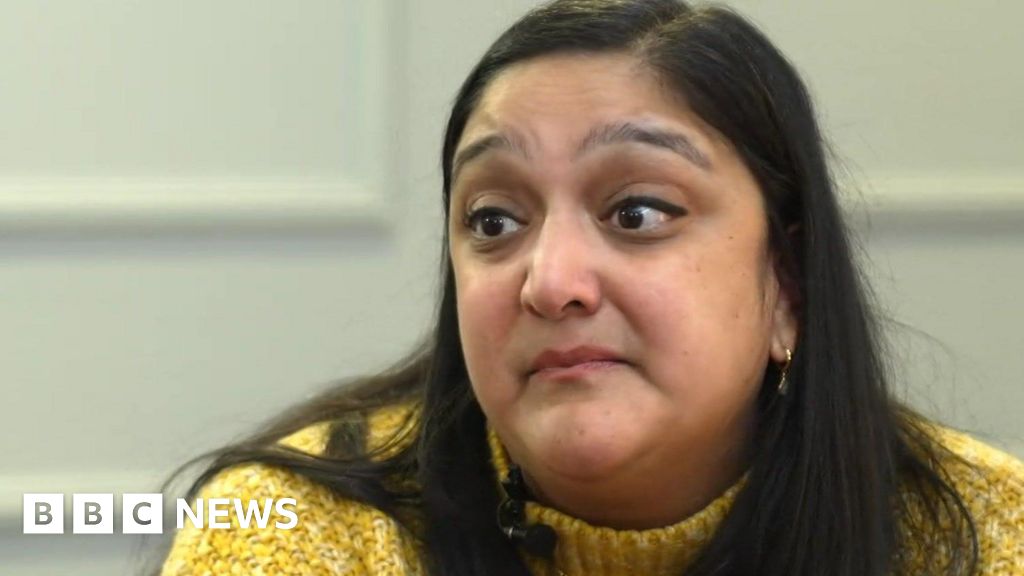
"Sanju Pal’s hard-won legal victory marks a pivotal moment for disability rights, setting a precedent that compels employers to acknowledge endometriosis as a disabling condition under the Equality Act 2010. Her experience underscores the urgent need for greater workplace understanding and accommodation for chronic illnesses, challenging long-standing biases against women’s health."
The recent Employment Appeal Tribunal (EAT) ruling in favour of Sanju Pal, a former high-achieving management consultant at Accenture, represents a significant legal milestone for individuals living with endometriosis and other chronic conditions. Dismissed from her role after taking time off for critical endometriosis surgery, Pal’s perseverance has led to a judgment that mandates employers recognize endometriosis as a disability, potentially reshaping workplace policies and fostering more inclusive environments. This case sheds light on the profound personal and professional challenges faced by those with chronic illnesses, particularly when their health conditions are misunderstood or dismissed by employers.
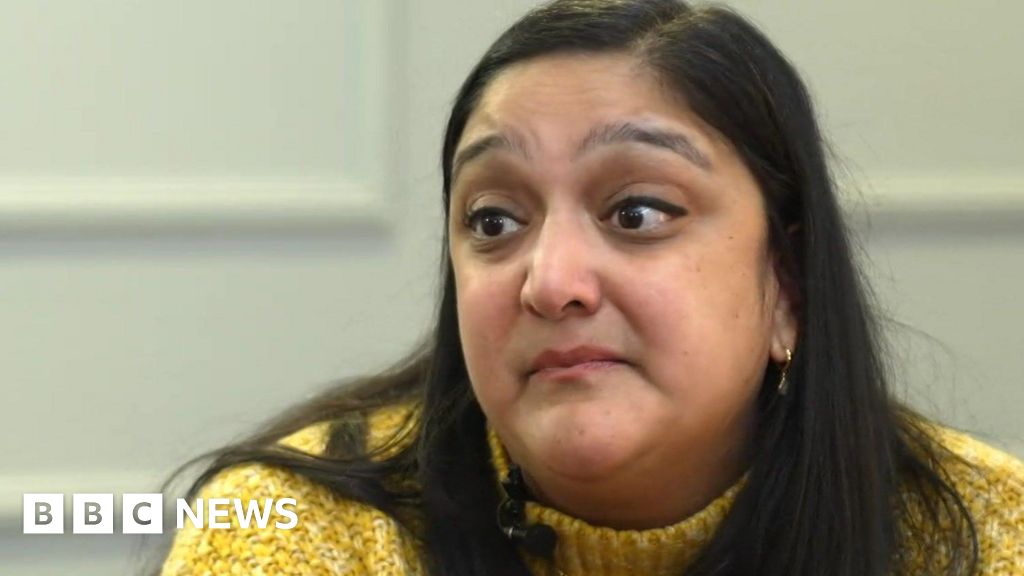
Sanju Pal’s professional trajectory was, by all accounts, exceptional. A recipient of the Asian Woman of Achievement Award, she had met the late Queen Elizabeth, received invitations to 10 Downing Street, and held a prestigious position as a management consultant at the City firm Accenture. Her career was defined by ambition, success, and high performance. However, this impressive track record counted for little when her health intervened. In 2019, after undergoing surgery to remove two substantial cysts on her ovaries, Pal missed her performance target. This single deviation from her previous high-performance metrics became the catalyst for her termination, a decision she found devastating and discriminatory. "Suddenly it was taken away from me, and I became nothing," Pal recounted, articulating the profound sense of loss and professional invalidation she experienced. "I wasn’t a high performer anymore because I had a disability."
Endometriosis, the chronic condition at the heart of Pal’s case, affects an estimated one in ten women globally, impacting approximately 1.5 million women in the UK alone. It occurs when tissue similar to the lining of the uterus (the endometrium) grows outside the uterus, often on the ovaries, fallopian tubes, and the tissue lining the pelvis. In some severe cases, it can spread to the bowel, bladder, or even more distant organs. These misplaced cells behave similarly to the uterine lining, thickening, breaking down, and bleeding with each menstrual cycle. However, unlike menstrual blood, this tissue has no way to exit the body, leading to excruciating pain, inflammation, scar tissue formation, and adhesions that can bind organs together. Symptoms vary widely but commonly include severe pelvic pain, heavy periods, pain during sex, fatigue, and infertility. Diagnosis is often delayed, sometimes by many years, due to a lack of awareness among both medical professionals and the public, and the normalisation of severe menstrual pain. There is currently no definitive cure for endometriosis; treatment options primarily focus on pain management and surgical removal of endometrial growths, which may offer temporary relief but often require ongoing management.
In Sanju’s specific case, her diagnosis in 2018 revealed severe, deep endometriosis classified as a Stage 3 endometrioma. This involved a large, fluid-filled cyst measuring 7.5cm (3in) in diameter on her left ovary, alongside a smaller cyst on her right. Such significant growths necessitated immediate surgical intervention and a subsequent period of recovery. Following her operation, Sanju was off work for a month. Despite her physical and emotional vulnerability, she returned to work prematurely, driven by her professional ambition and a desire to achieve senior manager status. The consequences were dire. "I was in touch with HR, I was telling them how I was in pain, how I was struggling," she recalls, describing her post-operative state. "I was bleeding, I could barely walk, because I’d been pushing myself too much, pushing myself through the fatigue wanting to make senior manager." Her efforts to push through the pain, rather than being met with understanding or support, were later used against her. At her six-month review, after nearly a decade of exemplary service, she was informed she had not met her performance target and was subsequently terminated. The abrupt nature of her dismissal was particularly traumatic: "I was then terminated and told to leave the building. I wasn’t allowed to contact anyone," she stated. "I wasn’t a high performer anymore, according to them, because I had a disability, because I was unwell and wasn’t going to be contributing to the business in the way that I had been before."
The emotional aftermath for Sanju was profound. She describes feeling "deep shame" and becoming "a shell of myself." The loss of her job was compounded by the immediate cessation of her private medical insurance, a critical resource at a vulnerable point in her recovery. Feeling unjustly treated, Sanju pursued an internal appeal, disclosing further details about her debilitating condition. However, Accenture upheld its original decision, refusing to reinstate her. With no other recourse, she initiated legal proceedings at an employment tribunal.
The initial employment tribunal in 2022 found in Sanju’s favour regarding her unfair dismissal claim, acknowledging the impropriety of her termination. Crucially, however, it failed to award her compensation, a decision that left the underlying issue of disability discrimination unaddressed. Undeterred, Sanju appealed this decision. In January 2026, the Employment Appeal Tribunal (EAT) delivered a landmark judgment. The EAT concluded that the original tribunal had erred by failing to adequately consider that Sanju Pal was a disabled person as a result of her endometriosis. Furthermore, it ruled that she had been subjected to discrimination because of her disability. This ruling is particularly significant as it unequivocally recognizes endometriosis as a condition that can constitute a disability under the Equality Act 2010, which protects individuals from discrimination in the workplace. While Accenture has issued a statement noting that it is an "ongoing legal matter" and therefore cannot comment further, the EAT’s decision sends a clear message to employers about their obligations.
The implications of this EAT ruling extend far beyond Sanju Pal’s individual case. It sets a crucial legal precedent, providing a stronger foundation for individuals with endometriosis to claim protection under disability discrimination laws. Employers are now on notice that they must take reasonable steps to accommodate employees with endometriosis, just as they would for other recognised disabilities. This includes considering flexible working arrangements, adjusted performance targets during periods of illness or recovery, and providing adequate support. The case highlights the importance of open communication between employees and HR, as well as the need for HR departments to be educated about chronic conditions like endometriosis and their potential impact on an individual’s ability to work. It also challenges the often-invisible nature of women’s health issues in the workplace, where symptoms like chronic pain and fatigue are frequently downplayed or dismissed.

Seven years and two tribunals later, Sanju Pal acknowledges that the experience has irrevocably changed her. While her business career has necessarily taken a backseat during her arduous legal battle, her commitment to other causes remains unwavering. She continues her voluntary work with RISE, a charity she founded straight out of school, which fosters connections between young people in rural India and London. She also continues to play the violin in the West London Sinfonia and hosts a podcast. Yet, her primary focus has shifted towards advocacy for endometriosis awareness and disability rights. "My heart goes out to anyone going through the employment tribunal system because it’s not easy," she shared, reflecting on the emotional and financial toll of the process.
Despite the personal cost, Sanju has found immense comfort and purpose in championing this cause. Her hope is that her case will firmly establish endometriosis as a disability under the Equality Act 2010, paving the way for systemic change. She is committed to continuing her campaign for legal reform and to be a voice for women grappling with endometriosis. The impact of her public stance is already evident: "The number of messages I receive from women saying ‘I couldn’t talk about this, I felt afraid to, but you’re doing it’," she reflects, underscoring the vital role her story plays in breaking the silence and stigma surrounding this debilitating condition. Sanju Pal’s journey from professional shame to a powerful advocate is a testament to resilience and a beacon of hope for countless others.