
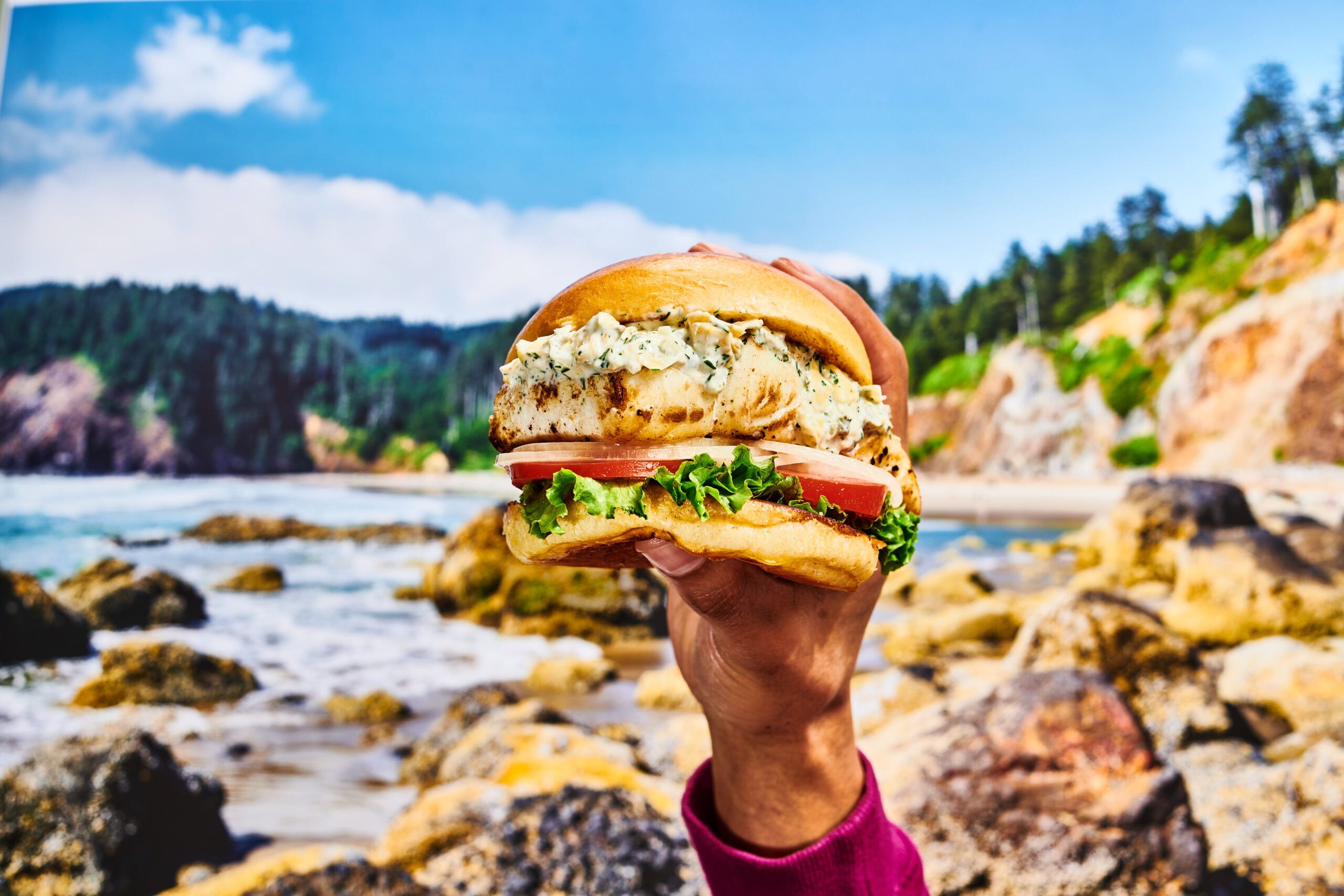
"To transform a standard seafood meal into a legendary fish burger, the secret lies in the physical dimensions of the cut; a thick, two-inch halibut fillet provides the structural integrity and 30 grams of protein necessary to elevate it beyond a mere sandwich."
This article explores the intersection of culinary technique and nutritional density through the lens of Brooke Price’s signature approach to seafood preparation. By prioritizing specific fillet thickness and leveraging the high protein content of premium Pacific halibut, chefs and home cooks alike can redefine the expectations of seafood-based handhelds, moving away from flimsy breaded patties toward a more substantial, nutrient-dense culinary experience.
The Architectural Foundation: Why Thickness Matters
In the world of high-end coastal cuisine, the distinction between a mediocre meal and a "legendary" one often comes down to the specifications of the raw ingredients. Brooke Price, the chef and owner of the Side Door Cafe in Gleneden Beach, Oregon, argues that the physical stature of the fish is the most critical factor in the construction of a fish burger. For Price, the ideal cut must be between 1.5 and 2 inches thick. This is not merely an aesthetic choice; it is a functional necessity born of thermodynamics and texture.
When a piece of fish is too thin, the window between "perfectly cooked" and "overdone" is dangerously narrow. In a high-heat environment—whether on a cast-iron skillet or a grill—a thin fillet loses its internal moisture almost as soon as the exterior begins to sear. By selecting a portion that is nearly two inches thick, the chef creates a thermal buffer. This allows for the development of a robust, Maillard-reaction-driven crust on the outside while maintaining a translucent, flaky, and succulent interior. This contrast in texture is what defines the "burger" experience, providing a "steak-like" bite that a standard sandwich simply cannot replicate.
Furthermore, the structural integrity of a thick cut allows the fish to stand up to the weight of premium toppings. A flimsy fillet would be overshadowed by a brioche bun, heirloom tomatoes, or a dense remoulade. A two-inch halibut portion, however, serves as a sturdy anchor, ensuring that the fish remains the undisputed protagonist of the dish.
The Nutritional Profile: A Protein Powerhouse
Beyond its culinary utility, the choice of halibut offers a significant nutritional advantage that challenges the dominance of beef in the burger category. A six-ounce portion of cooked halibut delivers a staggering 30 grams of protein. This makes it an elite option for those seeking muscle recovery and satiety without the saturated fat levels often found in red meat.
Halibut is classified as a "lean" fish, but its nutritional density extends far beyond its protein content. It is an excellent source of selenium, a powerful antioxidant that plays a crucial role in thyroid health and immune function. Additionally, it provides a healthy dose of magnesium and phosphorus, which are essential for bone health and energy production. For the health-conscious consumer, the "legendary fish burger" is more than a luxury meal; it is a high-performance fuel source.
By framing the dish as a "burger" rather than a "sandwich," Price taps into a psychological shift in how we perceive seafood. A sandwich is often viewed as a light lunch or an afterthought. A burger, conversely, implies a substantial, protein-forward meal. With 30 grams of protein in a single serving, the halibut burger earns its title by meeting the same macronutrient benchmarks as a traditional quarter-pounder, while offering a superior profile of micronutrients and heart-healthy fats.
Sourcing Excellence: The Side Door Cafe and the Oregon Coast
The philosophy behind this dish is deeply rooted in its geography. The Side Door Cafe, located in the picturesque Gleneden Beach, Oregon, operates in a region where the Pacific Ocean provides some of the world’s finest seafood. In the Pacific Northwest, halibut is more than just a menu item; it is a seasonal treasure.
Pacific halibut (Hippoglossus stenolepis) is one of the largest flatfish in the world, and its firm, white flesh is prized for its mild, sweet flavor. Because these fish can grow to enormous sizes—sometimes exceeding 400 pounds—sourcing thick, uniform 2-inch cuts is entirely feasible, provided the chef has access to high-quality suppliers. Price’s insistence on these specific dimensions reflects a commitment to the local bounty and a refusal to compromise on the inherent quality of the regional catch.
Sourcing also involves a commitment to sustainability. The Pacific halibut fishery is widely recognized as one of the best-managed in the world, with strict quotas and seasonal windows that ensure the population remains robust. This ethical layer adds to the "legendary" status of the burger, allowing diners to enjoy a decadent meal with the knowledge that it is part of a responsible ecological cycle.
The Culinary Execution: From Pan to Bun
To achieve the results Price describes, the cooking process must be handled with precision. When dealing with a two-inch fillet, the "sear and finish" method is often the most effective. The fish is seasoned aggressively—usually with a simple blend of sea salt and cracked black pepper to allow the natural flavor to shine—and then placed in a hot pan with a high-smoke-point oil or clarified butter.
The goal is to achieve a golden-brown crust that provides a tactile "crunch" upon the first bite. Once the first side is seared, the fillet is flipped, and the heat is often reduced, or the pan is transferred to a medium-hot oven. This ensures the center reaches the ideal internal temperature of 130°F to 135°F (54°C to 57°C), where the flakes separate easily but remain moist.
The assembly of the burger is the final step in its elevation. A legendary fish burger requires a bun that can match the fish’s stature. A lightly toasted brioche or a high-quality potato roll provides the necessary softness and slight sweetness to complement the halibut. Toppings should be chosen to enhance, not mask, the fish. A bright, acidic slaw can cut through the richness of the halibut, while a caper-heavy tartar sauce or a spicy remoulade adds depth.
The Cultural Shift: Why It’s Not a Sandwich
The most provocative part of Price’s philosophy is the linguistic distinction: "Don’t you dare call it a sandwich." This is a call for culinary respect. In the hierarchy of American dining, the sandwich is often a utilitarian object—something assembled quickly for convenience. The burger, however, occupies a place of cultural reverence. It is the centerpiece of the American cookout, a symbol of indulgence and craftsmanship.
By insisting on the term "burger," Price is demanding that seafood be treated with the same gravitas as prime beef. It is an assertion that a well-sourced, perfectly cooked piece of halibut is a premium protein that deserves to be the focal point of a meal. When a dish offers 30 grams of protein and is served as a towering, two-inch-thick masterpiece, calling it a sandwich feels like an understatement.
This distinction also reflects a broader trend in modern gastronomy: the "premiumization" of casual food. Diners are increasingly seeking out elevated versions of familiar classics. They want the comfort of a handheld meal but the ingredient quality of a fine-dining establishment. The legendary fish burger at Side Door Cafe meets this demand by combining the accessibility of a burger with the technical rigor of professional seafood preparation.
Conclusion: A New Standard for Seafood
The "trick" to a legendary fish burger, as revealed by Brooke Price, is a reminder that excellence in cooking often comes down to the fundamentals of selection and scale. By choosing a fillet of significant thickness, the chef ensures a superior texture and a more forgiving cooking process. By highlighting the 30 grams of protein, the dish appeals to the nutritional needs of the modern diner.
Ultimately, the legendary fish burger is a celebration of the halibut itself. It is a dish that respects the ingredient’s origin, its nutritional power, and its potential for culinary greatness. Whether enjoyed on the Oregon coast or recreated in a home kitchen, the two-inch rule serves as a blueprint for anyone looking to elevate their seafood game. In the hands of a skilled chef, a piece of fish is no longer just a sandwich filling—it is a formidable, protein-rich icon of the contemporary menu.