
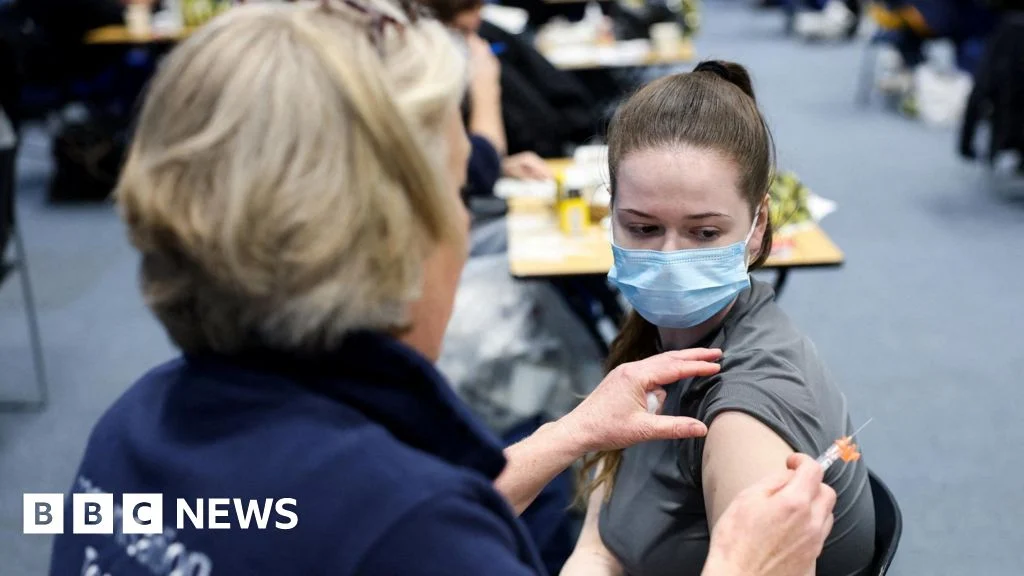
"While the immediate crisis of the Kent meningitis outbreak appears to have receded, with the peak now passed, the tragic loss of two young lives underscores the critical importance of public health vigilance, rapid response vaccination campaigns, and ongoing awareness, particularly among vulnerable populations like university students."
The UK Health Security Agency (UKHSA) has announced that the recent fatal meningitis outbreak in Kent, believed to have originated from a Canterbury nightclub, has now passed its peak. This cautiously optimistic assessment comes as authorities confirm a total of 29 cases, both confirmed and suspected, linked to the severe bacterial infection, which has tragically claimed two lives. The declaration marks a significant turning point in a public health emergency that has gripped the region, particularly impacting the student community.
The outbreak has been a source of profound concern across Kent, especially in Canterbury, where the majority of cases are thought to have emerged. Trish Mannes, the UKHSA’s regional deputy director for the South East, provided the pivotal update to BBC Radio Kent, stating unequivocally, "this peak has passed, absolutely." However, Mannes tempered this assurance with a note of caution, emphasizing the need for continued monitoring: "We could still see cases continuing to come in, we need to keep an eye on those. We need to really understand exactly what happens a bit more before we can be too optimistic about this." This measured optimism reflects the inherent unpredictability of infectious disease outbreaks and the commitment to ensure no further escalation. Authorities confirmed on Monday that the overall case figures remained unchanged, offering a moment of relief after an intense period of concern.
The human toll of this outbreak has been devastating, particularly for the families and friends of those who succumbed to the illness. The two fatalities include Juliette Kenny, an 18-year-old sixth-form student from Faversham, and an unnamed 21-year-old student attending the University of Kent. Their deaths sent shockwaves through the respective educational institutions and wider communities, highlighting the rapid and often aggressive nature of bacterial meningitis. The loss of young lives, in the prime of their academic and personal development, has amplified calls for heightened awareness and robust preventative measures.
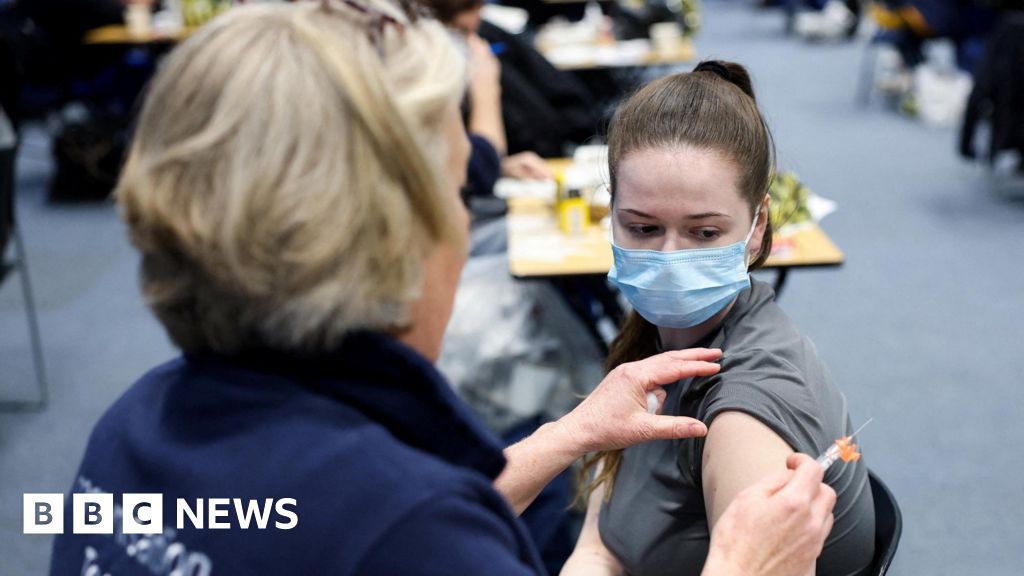
For the student population, especially at the University of Kent, the outbreak created an atmosphere of intense anxiety and grief. Kate Bradley, a lecturer at the university, articulated the profound distress experienced by students, describing the week as "really difficult." She explained that what was already a "nerve-wracking" period due to assessments had been "tipped everything upside down" by the outbreak. Many students were grappling with bereavement, others had friends hospitalized, and a pervasive worry about their own health permeated the campus. This sentiment underscores the unique vulnerability of close-knit student communities to infectious diseases, where shared living spaces and social interactions can facilitate rapid transmission.
Despite the initial fear, there is a palpable sense of relief and a return to a cautious normalcy among some students following the extensive public health interventions. Abbie Lebbie, observed queuing for a vaccine at the University of Kent, expressed a newfound tranquility, telling the BBC, "I feel quite relaxed." She attributed this ease to a noticeable drop in new cases and the proactive "procedures in place" by health authorities. Similarly, Josh Collumbell emphasized the collective benefit of vaccination, stating that "the more people who get the jab the more it helps everyone else," acknowledging that the deaths of the young people had been a "huge shock" to the community. These student voices reflect the dual impact of crisis and effective response on community morale.
The meningitis strain at the heart of this outbreak has been identified as Meningitis B (MenB), a particularly virulent form of bacterial meningitis. Bacterial meningitis is an acute inflammation of the protective membranes surrounding the brain and spinal cord, known as the meninges. Unlike viral meningitis, which is often milder, bacterial meningitis can be life-threatening and requires urgent medical attention. Symptoms typically include a sudden high fever, severe headache, stiff neck, rash (which doesn’t fade under a glass), sensitivity to light, confusion, and vomiting. Its rapid progression means that early diagnosis and treatment are critical to prevent severe complications, which can include permanent brain damage, hearing loss, learning disabilities, epilepsy, and even limb amputation due to septicaemia (blood poisoning). The fact that MenB can progress from initial symptoms to a critical state within hours makes it an exceptionally dangerous pathogen, especially for adolescents and young adults who often dismiss early symptoms as common illness.
The UK’s routine vaccination programme against MenB (using the Bexsero vaccine) commenced in September 2015, primarily targeting infants. This crucial policy decision means that the current generation of young adults and university students, typically those in their late teens and early twenties, generally fall outside the scope of routine childhood immunization. Consequently, this demographic remains largely unprotected against MenB, rendering them particularly susceptible during outbreaks. This gap in routine vaccination coverage for a vulnerable age group played a significant role in the rapid spread and severe impact of the Kent outbreak, necessitating an emergency vaccination and antibiotic prophylaxis campaign.
In response to the escalating crisis, the UKHSA, in collaboration with the NHS and local authorities, launched a comprehensive public health intervention. This multi-faceted approach included widespread communication campaigns, rapid contact tracing, and the establishment of emergency clinics. A crucial element of this strategy was the provision of both vaccinations and preventative antibiotics to eligible individuals, primarily students and close contacts of confirmed cases. The scale of this operation has been considerable, with NHS data indicating that over 10,000 people have received vaccinations and approximately 13,000 individuals have been administered preventative antibiotics. These antibiotics are given to close contacts to eliminate the bacteria from their throats and prevent them from developing the disease or spreading it to others, thereby breaking chains of transmission.

Four dedicated clinics were swiftly established and reopened on Monday to facilitate this mass intervention, reflecting the urgent need to contain the spread. These strategic locations included the University of Kent’s sports centre, Kent and Canterbury Hospital in Canterbury, Vicarage Lane Clinic in Ashford, and Faversham Health Centre. The logistical challenge of mobilizing staff, resources, and vaccines to these sites on short notice was immense, underscoring the coordinated effort of health services. Trish Mannes noted that the operation of these vaccination centres remained "under daily review," signifying the dynamic nature of the response. She expressed optimism that the number of individuals who have come forward for intervention would be "sufficient to contain the spread from this particular incident," pointing to the effectiveness of community engagement in public health initiatives. Furthermore, recognizing the mobility of students, the UKHSA advised eligible University of Kent students who had returned home after the spring term ended on Friday to access vaccinations and antibiotics through their local GP, ensuring continued coverage beyond the immediate outbreak zone.
Transmission of bacterial meningitis typically occurs through close, prolonged contact with an infected individual, often via respiratory droplets from coughing, sneezing, or kissing. Environments characterized by close quarters and frequent social interaction, such as university dormitories, lecture halls, and especially crowded venues like nightclubs, create ideal conditions for the rapid dissemination of the bacteria. The initial link to a Canterbury nightclub highlights this risk, as such settings facilitate the exchange of respiratory secretions. Public health messaging throughout the outbreak has emphasized the importance of recognizing symptoms and seeking immediate medical attention, as early intervention can be life-saving.
The Kent meningitis outbreak, while now seemingly past its peak, serves as a stark reminder of the persistent threat posed by infectious diseases and the critical importance of public health preparedness. Health Secretary Wes Streeting lauded the "Herculean efforts" of all personnel involved in "care for those affected and keep people safe," acknowledging the immense dedication of healthcare workers and public health officials. This incident will undoubtedly prompt further review of vaccination strategies for adolescents and young adults, particularly concerning MenB, to ensure better protection for future cohorts. While the immediate crisis subsides, the need for continued surveillance, community awareness, and a robust public health infrastructure remains paramount to prevent similar tragedies and safeguard public health. The cautious optimism expressed by health authorities is a testament to the effectiveness of rapid, coordinated action, but also a sober recognition that vigilance against such potent pathogens must never waver.