
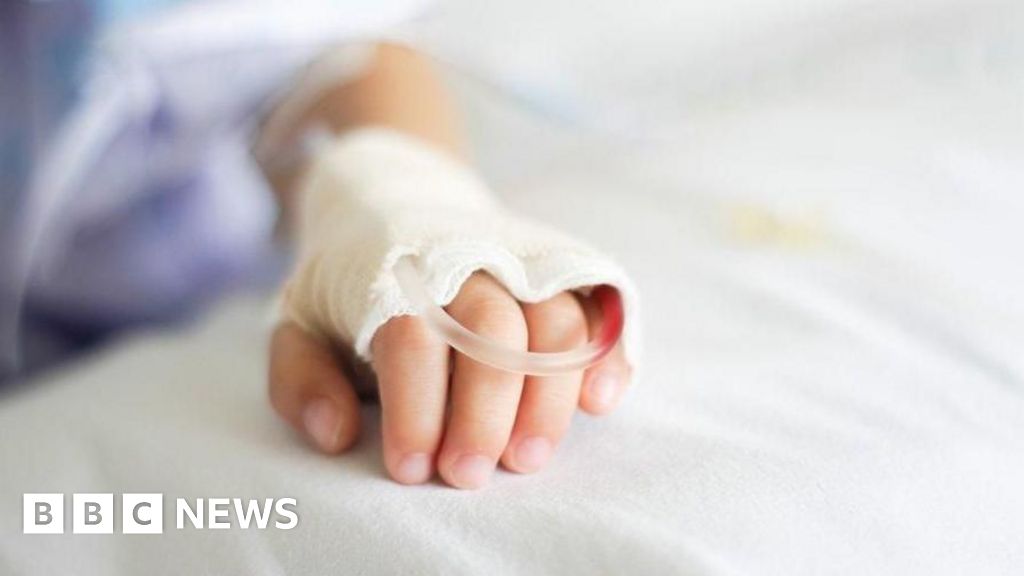
"For families grappling with a childhood cancer diagnosis, the financial burden of essential travel to specialist treatment centers will soon be lifted, allowing them to focus entirely on their child’s recovery. This transformative £10 million annual scheme marks a pivotal step in alleviating a significant source of stress and debt for thousands of families across England."
In a landmark move set to be fully implemented across England by 2027, the government has announced a comprehensive new scheme dedicated to covering the travel expenses for children and young people diagnosed with cancer, up to the age of 24. This initiative, backed by an annual commitment of £10 million, aims to address the considerable financial strain faced by families who often incur thousands of pounds in travel costs over the course of their child’s intensive treatment. For too long, the necessity of frequent and often distant hospital visits has placed an undue burden on families already navigating the emotional and practical complexities of a cancer diagnosis.
The decision to roll out this national scheme stems from extensive research and persistent advocacy by charities, highlighting the severe financial implications of childhood cancer treatment. With specialized pediatric oncology centers being geographically dispersed – only 13 across England – long and expensive journeys are an unavoidable reality for most families. Studies have consistently shown that families can spend an average of £250 per month on hospital-related travel alone, a sum that quickly escalates into thousands over the months or even years of treatment. This financial pressure, often compounded by parents having to reduce working hours or leave employment entirely to care for their sick children, has pushed many into debt and forced them to compromise on other essential living expenses, including food.
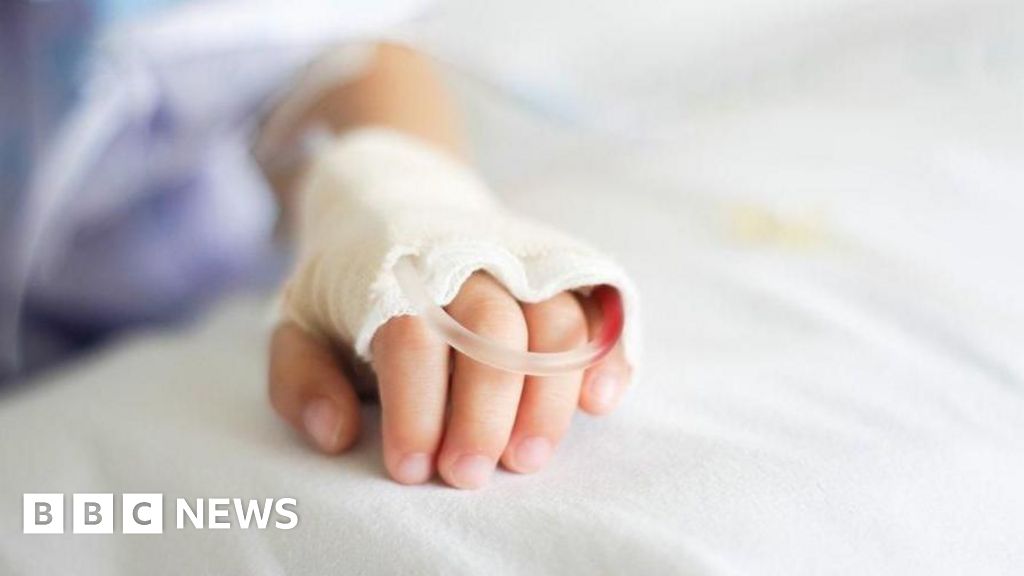
Health Secretary Wes Streeting underscored the profound human impact of this policy, stating, "When a child is diagnosed with cancer, their family’s focus should be on helping them recover and getting them well, not on whether they can afford the petrol or bus fare to get to their next appointment." He emphasized that this seemingly "small change" is anticipated to make "the world of difference to parents," offering not just financial relief but significant psychological comfort during an unimaginably difficult period. The policy reflects a growing understanding within healthcare policy that holistic patient care extends beyond medical treatment to encompass the socio-economic well-being of the patient and their support network.
The lived experience of families like the Wildings powerfully illustrates the necessity of this new support. Emma Wilding’s baby son, Theo, was diagnosed with an aggressive form of infant blood cancer when he was just four months old. The family’s ordeal involved prolonged hospital stays and frequent travel. While Emma remained at Alder Hey Hospital with Theo for seven weeks during his intensive treatment, her husband undertook a taxing 90-minute return journey regularly to be with his family. Emma vividly recalled the financial strain, noting, "It’s really expensive. Finances is the last thing you want to think about when you are going through a tough time." For families facing similar crises, the prospect of this travel fund is not merely about money; it’s about a profound sense of solidarity and support. As Emma articulated, it will feel "like having an arm around you," a testament to the emotional reassurance a policy like this can provide.
This funding announcement forms a crucial component of the government’s broader cancer strategy, which is scheduled for publication on Wednesday. This comprehensive strategy is poised to outline a suite of measures designed to revolutionize cancer care in the UK. Key objectives include drastically reducing waiting times for diagnosis and treatment, improving early diagnosis rates to enhance prognosis, and implementing robust prevention programs. Ministers are framing this strategy as a "once in a generation opportunity" to elevate cancer care standards in England, acknowledging that the country’s survival rates have historically lagged behind those of several other wealthy nations. The travel support fund, therefore, is not an isolated initiative but an integral part of a wider, ambitious reform agenda aimed at creating a more equitable and effective cancer care system.
For years, charities like Young Lives vs Cancer have been at the forefront of campaigning for this vital measure. Rachel Kirby-Rider, a representative from the charity, hailed the announcement as "a huge step forward," recognizing the culmination of almost a decade of dedicated advocacy. These organizations have meticulously documented how the financial burden of travel, often coupled with lost income, has forced families into precarious situations, leading to debt and difficult choices between essentials. Previously, financial assistance for travel in England was heavily means-tested, accessible only to those already receiving specific benefits. Similar restrictive schemes exist in Wales and Northern Ireland, while Scotland operates a more generous, albeit not universally accessible, program. The new universal scheme in England represents a significant departure from this fragmented and often insufficient support system.

Beyond the crucial travel support fund, the government’s new cancer strategy also pledges to enhance other critical aspects of care for young patients. This includes commitments to improve play facilities within hospitals, recognizing the vital role of play in a child’s development and well-being, especially during periods of illness. Furthermore, there will be an increased focus on providing comprehensive psychological support, acknowledging the immense emotional and mental health challenges faced by young cancer patients and their families. Jules Worrall of the Teenage Cancer Trust welcomed these broader plans, expressing hope that they would lead to "real and lasting change for young people with cancer." These complementary measures underscore a holistic approach to cancer care that addresses not only the physical disease but also the psychosocial needs of young patients and their families, fostering an environment conducive to healing and recovery.
The implementation of this national scheme by 2027 signifies a strategic commitment to reducing health inequalities and ensuring that geographical location or socioeconomic status does not dictate access to life-saving treatment. While the rollout will require careful planning and coordination across the NHS’s highly specialized network of pediatric cancer centers, the foundational commitment to alleviate financial burdens is clear. This policy is expected to empower families, enabling them to prioritize their child’s health and well-being without the added stress of mounting travel expenses. Ultimately, this initiative is poised to make a tangible and positive difference in the lives of thousands of children and young people battling cancer, reinforcing the principle that access to vital medical care should be unencumbered by financial barriers.