
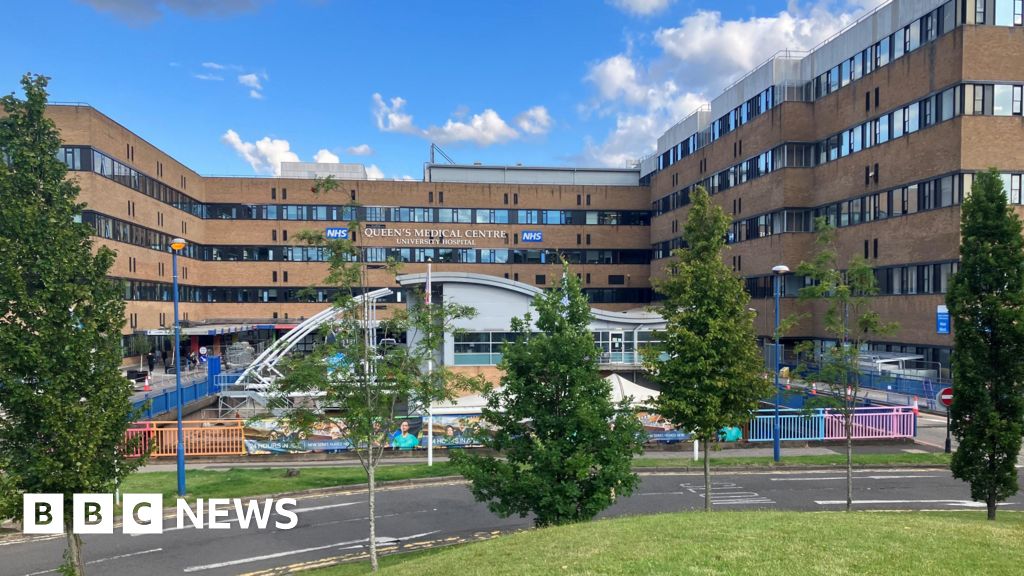
"Nottingham University Hospitals NHS Trust has declared a critical incident, underscoring severe pressures driven by surging emergency demand, a high volume of medically fit patients awaiting discharge, and the complex needs of an aging population. This declaration highlights a systemic strain reverberating across healthcare, urging public cooperation and exposing deeper challenges within the NHS."
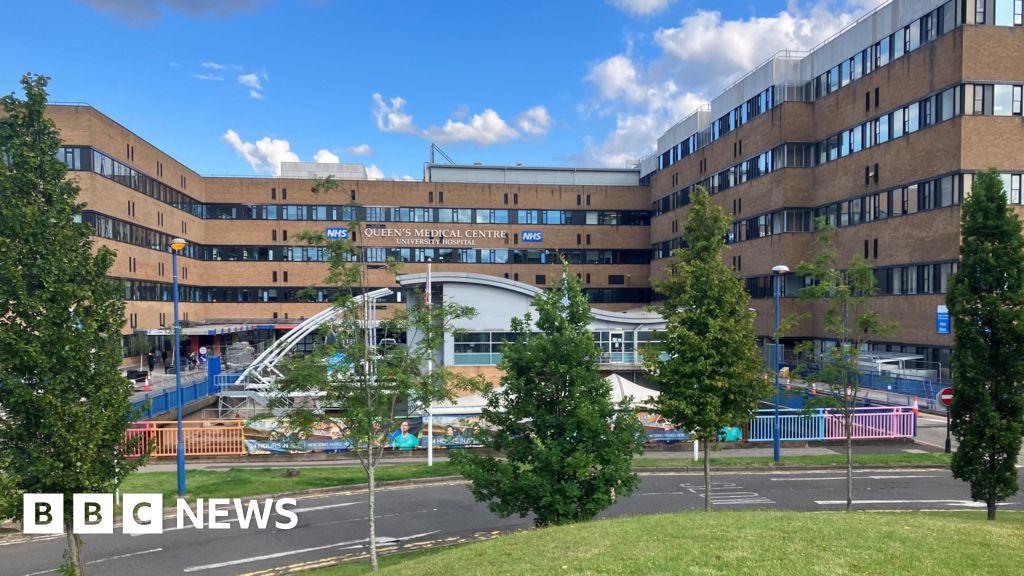
The Nottingham University Hospitals NHS Trust (NUH), responsible for two of the East Midlands’ major medical facilities, the Queen’s Medical Centre and City Hospital, has formally declared a critical incident. This urgent measure signals that the trust’s ability to provide normal levels of care is severely compromised due to an overwhelming convergence of factors. The declaration is not merely an internal administrative alert but a public call for understanding and cooperation, reflecting a healthcare system under immense stress from both acute demand for emergency services and chronic issues like delayed patient discharges, which impede patient flow and exacerbate bed shortages.
The declaration of a critical incident by an NHS trust is a serious measure, reserved for situations where an organisation’s core functions are at risk of being overwhelmed. It signifies that the trust is facing pressures so severe that it cannot deliver critical care safely and effectively without taking extraordinary steps. This can involve diverting resources, postponing non-urgent procedures, and appealing directly to the public for assistance. Unlike a "major incident," which typically refers to an external event like a mass casualty accident, a critical incident often denotes an internal systemic failure or overwhelming demand that threatens the operational stability of the healthcare provider itself. For NUH, which serves a vast population across Nottingham and the wider region, this means that every aspect of its service delivery, from emergency admissions to routine appointments, is under acute strain.
The immediate crisis at NUH is multi-faceted, stemming primarily from an unprecedented surge in demand for Accident and Emergency (A&E) services. Officials at the trust have specifically highlighted a significant increase in patients presenting with respiratory issues, a common occurrence during colder months but exacerbated by the lingering presence of various seasonal viruses. This influx of acutely unwell individuals places immense pressure on A&E departments, leading to lengthy waiting times for patients and significant challenges in admitting those requiring inpatient care. The knock-on effect is a bottleneck that extends throughout the hospital system, impacting ambulance turnaround times and creating queues of patients needing to be seen.
Compounding this high demand is the pervasive issue of delayed discharges, often referred to as "bed blocking." NUH reports a substantial number of patients who are medically fit to leave the hospital but cannot be discharged due to a lack of appropriate care packages or suitable community placements. These patients, though no longer requiring acute hospital care, occupy valuable beds, preventing new admissions from A&E and contributing to the overall gridlock. The trust’s spokesperson underscored this challenge, stating, "More than half of our adult beds are currently occupied by patients who are over 80 years old, whose health issues can impact them more than younger patients." This statistic illuminates the demographic reality of an aging population whose complex needs often require a carefully coordinated care pathway extending beyond hospital walls. The trust aims to discharge over 200 patients on Friday alone, a testament to the scale of this particular challenge and the urgency with which it is being addressed.
The root causes of this critical incident are complex and deeply embedded within the broader health and social care ecosystem. Seasonal pressures play a significant role, with the circulation of respiratory viruses such as influenza, Respiratory Syncytial Virus (RSV), and lingering COVID-19 strains leading to increased hospitalisations, particularly among vulnerable groups like the elderly and those with underlying health conditions. These illnesses often result in longer hospital stays and more intensive care needs, further stretching resources.
The demographic shift towards an aging population is another critical factor. Patients over 80 years old often present with multiple comorbidities, frailty, and require more complex care. Their recovery from acute illness can be slower, and their discharge planning often necessitates comprehensive social care assessments, home adaptations, or placement in nursing or residential care facilities. The current pressures on NUH vividly illustrate the profound impact of this demographic reality on hospital capacity and flow.
Crucially, the ongoing crisis in social care is inextricably linked to the hospital’s inability to discharge patients. Underfunding, severe staffing shortages, and a lack of available community beds, home care packages, and rehabilitation services mean that even when a patient is medically fit for discharge, there are often no appropriate follow-on care options. This creates a bottleneck at the hospital exit, leading directly to bed blocking and exacerbating A&E waiting times. The interconnectedness of health and social care means that a failure in one system inevitably creates immense pressure on the other. While the original report mentioned staff sickness as a factor in a previous January incident, it’s a constant underlying vulnerability in a system already struggling with workforce shortages and burnout following years of sustained pressure, particularly in the wake of the pandemic. The cumulative effect of these factors means that even moderate increases in demand can push a finely balanced system past its breaking point.
The impact of a critical incident declaration on patients and services is profound and far-reaching. For those requiring emergency care, it translates into significantly longer waiting times in A&E, delayed ambulance handovers, and a potential for adverse health outcomes as patients wait for treatment. For patients awaiting elective procedures, such as routine surgeries or specialist appointments, there is an increased risk of cancellations, adding to already extensive waiting lists and causing further anxiety and discomfort. Furthermore, the immense pressure placed on frontline staff can lead to increased stress, burnout, and a potential for staff absence, creating a detrimental cycle that further diminishes the trust’s capacity.
In response to this severe situation, NUH has issued a clear call to action for the public. They strongly advise individuals to only attend A&E if their condition is an absolute emergency. For less severe but urgent conditions, the public is encouraged to utilise alternative services such as NHS 111 (online or by phone), local GPs, community pharmacies, or urgent treatment centres, which can often provide appropriate care without overwhelming emergency departments. This strategic redirection of patients is vital in ensuring that A&E resources are reserved for the most critical cases.
Beyond managing new admissions, the trust has made a crucial appeal to families and carers: to prioritise getting their loved ones home as soon as they are contacted for discharge. Expediting timely discharges is not only crucial for freeing up hospital beds but also beneficial for the patients themselves, as prolonged hospital stays can lead to deconditioning, increased risk of hospital-acquired infections, and a sense of disorientation. The trust has reassured the public that those with pre-booked appointments should still attend unless they are explicitly told otherwise, indicating efforts to maintain as much routine service as possible while managing the crisis.
NUH’s situation is not an isolated incident but rather a microcosm of broader systemic challenges facing the National Health Service across the UK. Many trusts periodically declare similar incidents, highlighting a healthcare system that frequently operates at or beyond its capacity. The concept of a "year-round winter" has emerged, signifying that seasonal peaks now merge into continuous periods of high demand, leaving little room for recovery or planned maintenance. The establishment of Integrated Care Systems (ICSs) across England aims to foster greater collaboration between health and social care providers to address these issues holistically, but their impact is a long-term project.
Ultimately, the persistent pressures faced by trusts like NUH underscore the urgent need for comprehensive, long-term strategic investment in both health and social care infrastructure and workforce planning. Solutions must extend beyond immediate crisis management to encompass preventative health measures, robust community support, expanded social care capacity, and a sustainable recruitment and retention strategy for healthcare professionals. Only through such systemic reforms can the NHS hope to build resilience against future surges in demand and ensure that critical incidents become rare exceptions rather than recurring features of healthcare provision. The current situation at Nottingham University Hospitals serves as a stark reminder of the fragile balance within the healthcare system and the collective responsibility required to safeguard its future.