
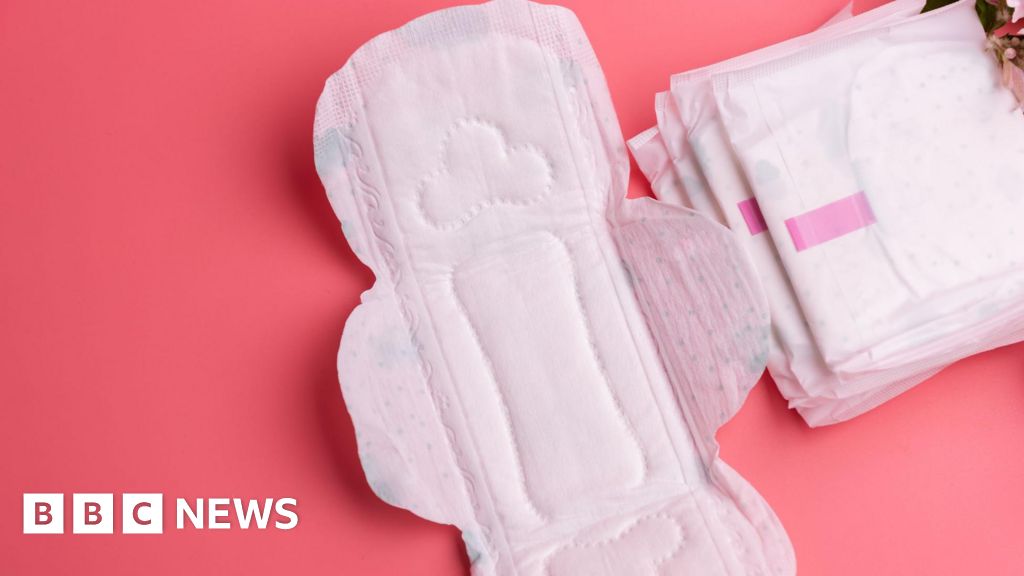
"A pioneering study reveals that testing period blood collected via a modified sanitary pad could provide a highly accurate and significantly less invasive alternative for cervical cancer screening, potentially revolutionizing access and comfort for millions of women worldwide."
The prospect of a less intimidating and more convenient method for cervical cancer screening has emerged from new research, suggesting that analyzing menstrual blood could be an effective alternative to the traditional, often-dreaded smear test. This innovative approach, utilizing a simple cotton strip integrated into a standard sanitary pad, aims to address the significant challenge of low screening attendance by offering a home-based solution that prioritizes privacy and comfort. Such advancements hold the potential to dramatically improve early detection rates, thereby saving countless lives by identifying precancerous changes before they develop into full-blown cancer.
Cervical cancer, primarily caused by persistent infection with high-risk types of human papillomavirus (HPV), remains a significant global health concern, despite being largely preventable through vaccination and early detection. Regular cervical screening, commonly known as a smear test, is a cornerstone of preventative healthcare for individuals with a cervix. In the UK, the NHS recommends screening every five years for women and individuals with a cervix aged between 25 and 64. The current procedure involves a healthcare professional using a speculum to gently open the vagina, allowing access to the cervix to collect a sample of cells. These cells are then analyzed for the presence of high-risk HPV, and if found, further investigations are conducted to check for abnormal cell changes that could indicate a risk of cancer.
Despite its proven effectiveness in preventing cervical cancer, attendance rates for traditional screening appointments remain a persistent challenge. Statistics reveal that approximately a third of women invited for screening do not attend, leaving an alarming five million women in the UK alone not up-to-date with their tests. The reasons behind this reluctance are multifaceted and deeply personal. Many individuals report fear, pain, and discomfort associated with the procedure itself. Past negative experiences, menopausal changes that can make the test more uncomfortable, physical or learning disabilities, and cultural barriers also contribute to non-attendance. Survivors of sexual violence often find the invasive nature of the speculum examination particularly traumatic, making it an insurmountable hurdle. Furthermore, officials have noted that younger women, individuals with disabilities, and those from ethnic minority communities and LGBT+ groups are disproportionately more likely to miss their scheduled appointments. Recognizing these barriers, health authorities are already exploring less invasive options, such as the at-home vaginal swab kits currently being piloted in some areas of England and slated for wider rollout later this year, offering a step towards more patient-centric screening.
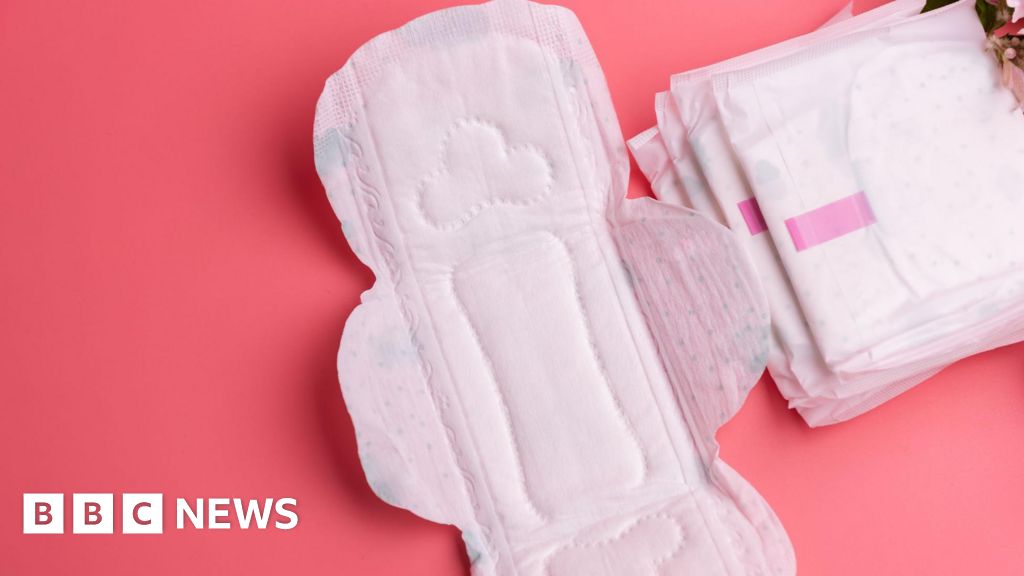
The groundbreaking research, published in the prestigious journal The BMJ by a team of Chinese researchers, presents an even less invasive and potentially more accessible option: testing period blood. The study posits that using menstrual blood for HPV testing is not only "convenient" but also deeply respectful of women’s privacy and effective in reducing discomfort. The methodology involved participants collecting menstrual blood on a specially designed cotton strip attached to a standard sanitary pad, which was then sent to a laboratory for analysis. The study encompassed over 3,000 women aged 20-54 years, comparing the efficacy of these mini-pad collected samples against traditional clinician-collected samples.
The findings were notably encouraging. The researchers determined that testing period blood demonstrated an accuracy nearly comparable to conventional methods in identifying individuals with the disease, while proving exceptionally adept at correctly identifying those without it. This robust performance suggests that menstrual blood testing could serve as a "robust alternative" to current screening practices. The results of the tests were communicated to participants via a specially designed app, hinting at a fully integrated, modern approach to screening. In cases where an individual tests positive for high-risk HPV, the established protocol would involve a referral for a colposcopy – a detailed examination of the cervix using a magnifying instrument to meticulously search for precancerous cells.
The implications of this research are profound, particularly concerning accessibility and patient empowerment. By offering a discreet, home-based testing option, the period blood test could significantly lower the psychological and physical barriers that prevent many from attending regular screening. This convenience could translate into a substantial increase in screening uptake, particularly among those demographic groups identified as being most likely to miss appointments. Increased screening rates, in turn, lead to earlier detection of precancerous lesions, allowing for timely intervention and dramatically reducing the incidence of invasive cervical cancer. This shift towards a less intrusive method could also foster a greater sense of control and agency for individuals over their own health management, transforming what is often perceived as a daunting medical procedure into a routine, comfortable self-care act.
However, experts are quick to emphasize that while "encouraging," this research is still in its nascent stages and not an immediate replacement for existing screening protocols. A primary limitation is its applicability solely to individuals who menstruate, meaning it would not be suitable for post-menopausal women, those who have undergone hysterectomies, or others who do not experience menstrual cycles. Furthermore, some experts suggest the study might have potentially overestimated the test’s performance, as not all participants underwent a biopsy – the gold standard for confirming abnormal cell changes – to double-check the initial results.
Sophie Brooks, Health Information Manager at Cancer Research UK, articulated the broader sentiment within the scientific community, stating that it was "encouraging" to witness research dedicated to exploring novel avenues for making cervical screening "more accessible." She highlighted the period blood test as an "interesting and non-invasive approach" but underscored the critical need for further extensive research involving more diverse population groups. This additional research would be crucial to fully understand how such a method could be effectively integrated into existing national screening programs.
Athena Lamnisos, from the charity The Eve Appeal, echoed this enthusiasm, describing the prospect of new, more acceptable ways to offer a potentially life-saving test as "exciting." She insightfully pointed out that "people have different barriers and concerns about screening," and therefore, "being able to offer a choice of different methods could be very positive for some who are eligible for screening but don’t currently attend." This perspective emphasizes the importance of a multi-pronged approach to screening, acknowledging the diverse needs and preferences of the population.
The successful implementation of a period blood test for cervical cancer screening would necessitate careful consideration of several factors beyond its clinical efficacy. These include the logistical challenges of widespread distribution of the modified sanitary pads, the establishment of efficient collection and laboratory processing systems, and the secure and timely communication of results. Regulatory hurdles for approving new medical devices and testing protocols would also need to be navigated. Crucially, public education and awareness campaigns would be essential to build trust and ensure widespread acceptance of this novel method.
In conclusion, the development of a period blood test for cervical cancer screening represents a significant leap forward in preventative healthcare. It offers a tantalizing vision of a future where life-saving screenings are not only highly effective but also universally accessible, comfortable, and respectful of individual privacy. While further research, validation, and strategic planning are undeniably required, this innovation holds immense promise to overcome long-standing barriers to screening, ultimately leading to earlier detection, improved treatment outcomes, and a substantial reduction in the burden of cervical cancer globally.