
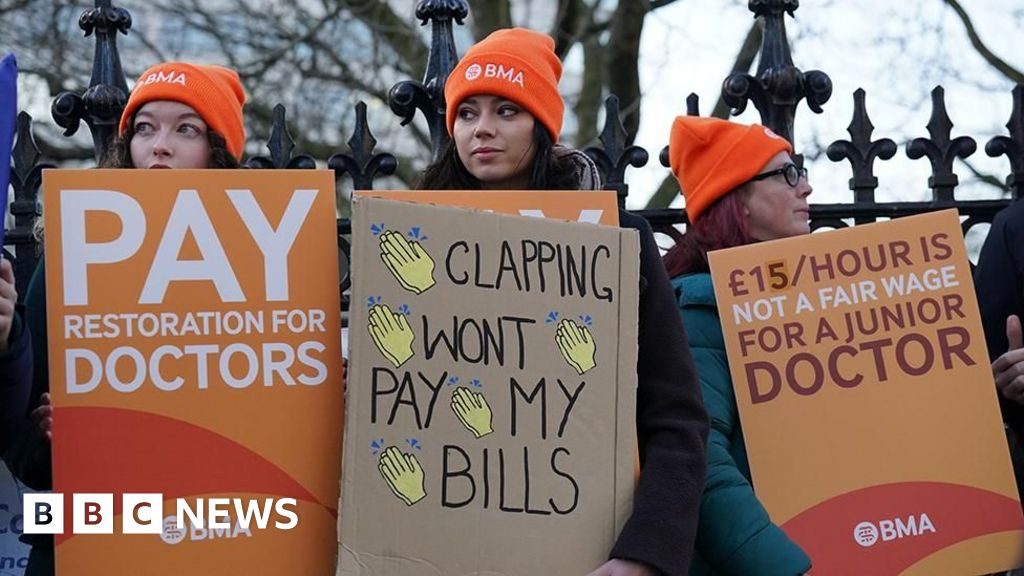
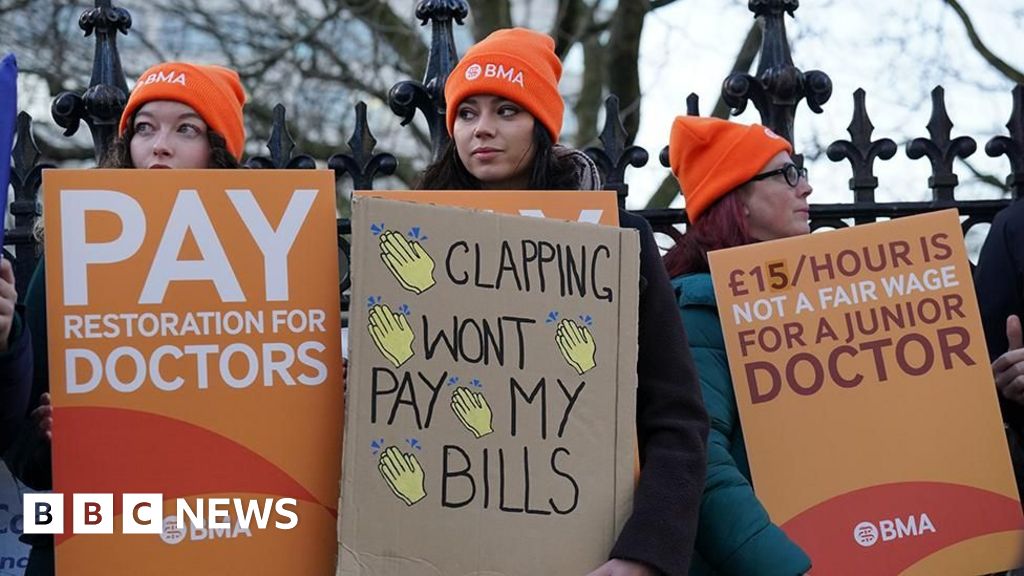
"England’s resident doctors have overwhelmingly renewed their mandate for industrial action, signaling an enduring commitment to securing fair pay restoration and vital improvements to training opportunities. This decision underscores the deep-seated grievances within the medical profession, threatening further disruption to an already strained National Health Service."
This renewed mandate for strike action by resident doctors in England marks a critical juncture in their protracted dispute with the government. The overwhelming vote by British Medical Association (BMA) members grants the union another six-month period to orchestrate walkouts, intensifying pressure on ministers to address long-standing concerns over pay erosion and significant bottlenecks in medical training. Coming after a period of intense negotiations that followed previous strikes, this latest development signals the ongoing frustration within a crucial segment of the NHS workforce and portends potential further disruption to patient care across the country.
The ballot results, revealing a staggering 93% in favour of continuing industrial action from a 53% turnout, leave little doubt about the resolve of resident doctors. This robust endorsement empowers the BMA to schedule additional strikes, although no specific dates have been announced yet. The vote comes on the heels of a month of discussions between the BMA and the government, initiated after the last series of walkouts just before the Christmas period. These talks had offered a glimmer of hope for a resolution, but the latest vote indicates that the chasm between the two parties remains substantial.
The dispute, which first ignited in the spring of 2023, has already seen resident doctors undertake 14 separate periods of strike action. These stoppages have profoundly impacted NHS services, leading to the cancellation or postponement of hundreds of thousands of appointments and procedures, exacerbating already lengthy waiting lists, and placing immense pressure on the remaining clinical staff. The cumulative effect of these actions has been a significant strain on the healthcare system, prompting widespread concern from patient advocacy groups and health leaders alike.
At the heart of the BMA’s grievances is the demand for "pay restoration." While resident doctors have received pay increases totalling nearly 30% over the past three years, the union contends that, when adjusted for inflation, their pay remains approximately one-fifth lower than it was in 2008. This argument highlights a long-term erosion of real-terms earnings, which the BMA argues has made medical careers less attractive and contributed to a significant decline in morale among junior doctors. The government’s proposed 2.5% pay increase from April, a figure significantly below current inflation rates, has been met with dismay by the BMA, reinforcing the perception of a continued real-terms pay cut.
Dr. Jack Fletcher, a prominent leader within the BMA’s resident doctor committee, articulated the sentiment of his colleagues, stating that ministers "cannot be shocked" by the ballot outcome. He criticised the government for recommending what he termed a "pay cut" for the upcoming year, particularly from a Health Secretary who had previously promised a "journey to fair pay." Dr. Fletcher’s comments underscore the doctors’ feeling of betrayal and the perceived lack of tangible progress despite previous rounds of negotiations.
Beyond pay, a critical component of the dispute revolves around the severe shortage of training posts, which creates significant "bottlenecks" in medical career progression. Resident doctors, who were formerly known as junior doctors, typically transition into speciality training places after their second year of foundation training. This stage is crucial for their professional development and the future staffing of specialist roles within the NHS. This year, the scale of the problem was starkly illustrated by more than 30,000 applicants vying for just 10,000 available training positions. While this applicant pool includes international doctors, the figures undeniably point to a systemic issue within the domestic training infrastructure.
These bottlenecks have profound implications. They not only frustrate ambitious young doctors seeking to advance their careers but also threaten the long-term sustainability of the NHS workforce. A lack of progression opportunities can lead to burnout, disillusionment, and a brain drain, as talented medical professionals seek opportunities abroad or leave the profession entirely. The BMA argues that without addressing this fundamental issue, the NHS will struggle to recruit and retain the specialist doctors it desperately needs to meet growing patient demand.
The wider context of NHS industrial action adds another layer of complexity to the situation. Over the past year, various other healthcare unions, including nurses, paramedics, and even senior consultants, have engaged in their own disputes with the government over pay and working conditions. This collective discontent across the health sector reflects a broader crisis in workforce morale and retention, exacerbated by years of underfunding, increasing demand, and the lingering effects of the COVID-19 pandemic. The government faces the delicate task of balancing public sector pay demands with national economic constraints and its own fiscal targets.
Despite the renewed mandate for strikes, Dr. Fletcher emphasised that industrial action is not an inevitable outcome. He acknowledged an "improved approach in tone" from the government in recent weeks, suggesting that a window for negotiation remains open. The BMA believes that "a deal is there to be done," proposing a "new jobs package and an offer raising pay fairly over several years" as a viable path forward. This multi-year approach to pay, rather than single-year settlements, is seen by the union as essential for providing stability and addressing the long-term erosion of earnings.
The implications of continued strikes are far-reaching. For patients, further walkouts mean extended waiting times for elective surgeries, diagnostic tests, and routine appointments, adding to the immense backlog that the NHS is striving to clear. For the NHS itself, the financial cost of managing strikes—including paying for expensive agency staff and compensating for cancelled procedures—adds further strain to an already stretched budget. For the government, the ongoing disputes pose a significant political challenge, particularly in the run-up to a general election, as public confidence in its handling of the health service may be further eroded.
The current stalemate underscores the critical need for a sustainable long-term solution that addresses both the immediate financial concerns of resident doctors and the structural issues within medical training and workforce planning. While the BMA has secured a powerful mandate, both sides recognise the imperative to find common ground in the interests of patients, healthcare staff, and the overall integrity of the National Health Service. The coming weeks will be crucial in determining whether the "improved tone" in discussions can translate into a concrete agreement, or if the country is poised for yet more significant disruption to its healthcare system.