
"In a crucial move to address England’s ‘critical shortage’ of foster homes, the government is rolling out an £88 million overhaul, relaxing stringent rules and cutting red tape to create 10,000 new placements for vulnerable children. This ambitious initiative seeks to shift thousands of young people from expensive, less stable residential care into nurturing family environments, recognizing fostering as a ‘hugely important’ pillar of child welfare."
England’s child welfare system is facing an acute crisis, marked by a significant decline in available foster care placements and a concerning rise in the number of children housed in residential care. This escalating situation has prompted the government to announce a sweeping reform package, backed by an £88 million investment, designed to revitalize the fostering sector. The reforms aim to streamline the application process, broaden the demographic of eligible carers, and enhance support for fostering families, with the ultimate goal of securing 10,000 new foster placements by the end of the current parliamentary term. This strategic intervention underscores a recognition that family-based care offers superior outcomes for children, both emotionally and developmentally, compared to institutional settings.
The urgency of these reforms is underscored by alarming statistics revealing the deteriorating state of foster care in England. Official figures paint a stark picture: the number of approved foster carers plummeted by 12% from 63,890 in 2021 to 56,345 by March 2025. This translates to a deficit of 1,140 foster placements in the last year alone, leaving a significant void in the provision of stable homes for vulnerable children. Consequently, the number of young people relegated to children’s homes has surged by 9%, reaching 9,480. This shift is not only detrimental to the children involved, who often thrive better in family settings, but also represents a substantial financial burden on local authorities. A recent report by the National Audit Office highlighted that council spending on residential care almost doubled in five years, hitting a staggering £3.1 billion in 2023-24. The report further exposed the exorbitant cost, with a single child in residential care costing an average of £318,400 annually, largely due to a scarcity of suitable alternatives and the inflated fees charged by private providers.
Minister for Children and Families, Josh MacAlister, articulated the government’s profound concern, stating that "reversing the decline in the number of available foster places is an urgent priority." He emphasized the inherent need for children to experience family homes rather than residential care, acknowledging the systemic failures that have historically deterred potential carers. MacAlister pointed out a critical bottleneck: last year, 150,000 individuals expressed an interest in fostering, yet only a fraction – just over 7,000 – were ultimately approved. This significant disparity, he argues, is primarily attributable to "outdated rules" and cumbersome bureaucratic processes that inadvertently screen out otherwise suitable candidates. The new reforms are specifically engineered to dismantle these barriers, simplifying the pathway to becoming a foster carer and fostering a more inclusive and responsive system.
Central to the government’s strategy is a concerted effort to relax outdated eligibility criteria that have historically narrowed the pool of potential foster carers. Currently, some local authorities impose restrictions that exclude individuals solely based on their employment status, marital status, or homeownership. For instance, being a full-time worker, unmarried, or not owning property has, in some areas, been an insurmountable hurdle. The proposed reforms aim to eliminate these arbitrary barriers, recognizing that a person’s capacity to provide a loving and stable home is not inherently tied to these specific circumstances. This modernization acknowledges the evolving nature of families and work-life patterns in contemporary society, ensuring that a broader spectrum of individuals can contribute to the fostering community.

Beyond structural changes, the government is also committed to fostering greater diversity within the carer population. New, clearer guidelines will be developed to actively encourage individuals from a wider range of ethnic minority backgrounds and socio-economic statuses to consider fostering. This push for diversity is not merely about representation; it is a critical component of providing culturally sensitive and appropriate care. Children often benefit immensely from being placed with carers who share their cultural heritage, language, or life experiences, which can significantly aid in their adjustment and identity formation. By creating a more inclusive and accessible system, the reforms seek to better match children with carers who can meet their specific needs, ensuring a more holistic and effective placement.
The new package of reforms also includes significant enhancements to the support systems available to foster families. Acknowledging the vital role of ongoing assistance, the government plans to facilitate closer cooperation across regions. This collaboration will lead to improved training programmes, ensuring carers are well-equipped to manage the often complex needs of children who have experienced trauma or neglect. Furthermore, regional coordination will streamline the approval process for new carers and expedite the placement of children, reducing delays that can be disruptive and distressing for young people. Practical support will extend to financial assistance for home improvements, such as extensions, enabling families to create the necessary space for foster children without undue financial strain. Innovative schemes like the Mockingbird programme, run by The Fostering Network, will also see increased investment. This program fosters a "constellation" model, bringing together groups of foster families who act as an extended family network, providing mutual advice, peer support, and crucial respite care, thereby reducing isolation and burnout among carers.
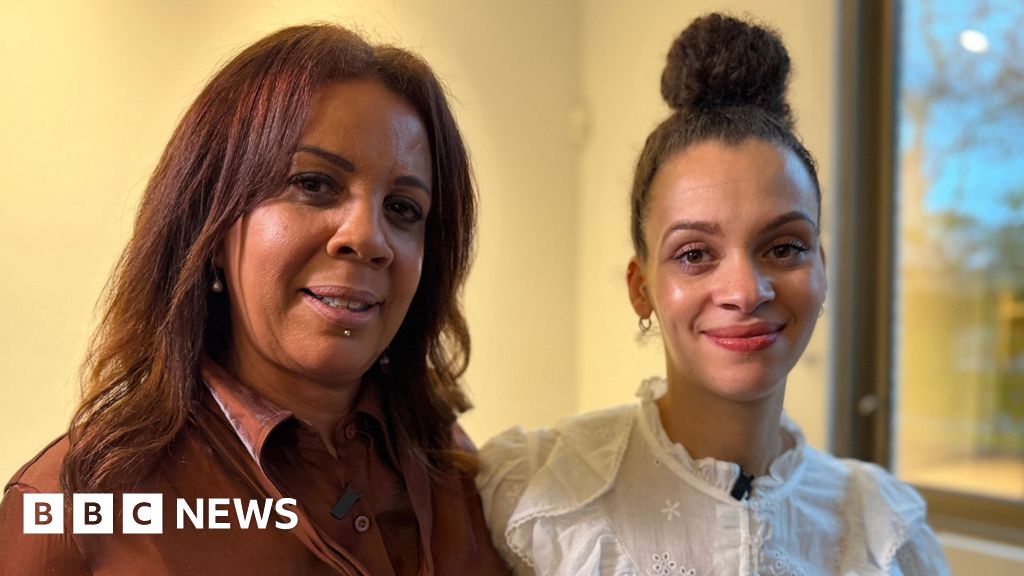
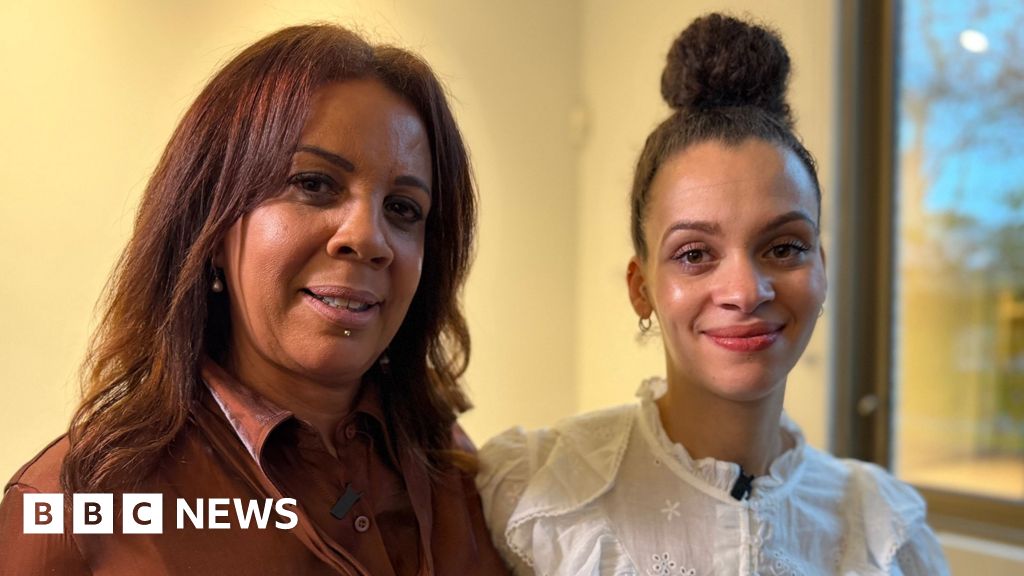
The human stories behind the statistics powerfully underscore the impact of fostering. Roxy, a participant in BBC’s The Traitors, shared her personal journey, having been moved between multiple homes before finding stability and eventually adoption with Judy. "You need settled moments in your life, especially as a kid," Roxy reflected, emphasizing the "hugely important" role fostering played in providing her with that crucial loving and settled feeling. Judy, her adoptive mother, echoed the sentiment, encouraging others not to be deterred by perceived difficulties. She acknowledged that while support exists, it is "not enough," highlighting the critical need for the enhanced provisions now being proposed. Similarly, Hana and Fahad, who fostered a four-year-old girl in 2020 who is now a thriving ten-year-old, spoke of their transformative experience. Despite initial apprehensions about space or financial pressures, they found the experience "indescribable," calling their foster daughter "the missing piece to the puzzle within our family." Their testimony powerfully illustrates the profound sense of fulfilment and enrichment that fostering can bring, not just to the child but to the entire family.

These reforms represent a critical juncture for England’s child welfare system. By addressing the systemic issues that have contributed to the decline in foster placements and the over-reliance on residential care, the government aims to create a more resilient and child-centric system. The long-term vision extends beyond merely increasing numbers; it seeks to foster a culture where every vulnerable child has the opportunity to grow up in a stable, loving family environment. This shift is not only more humane but also economically prudent, reducing the exorbitant costs associated with residential care and investing in the future well-being of young people, who are more likely to thrive and contribute positively to society when provided with a secure foundation.
Sarah Thomas, Chief Executive of The Fostering Network, lauded the government’s initiative, welcoming "a much-needed focus on foster care." She expressed optimism that the additional placements would "ensure that thousands more children can be cared for in homes that are right for their needs." The comprehensive nature of the reforms, addressing recruitment, support, and diversity, indicates a holistic approach to a multifaceted problem. As Fahad wisely concluded, "Sometimes fear stops us moving forward and understanding that there’s a lot of young people out there who are in need of the loving, caring homes that you can provide. It’s really rewarding. Your life changes and it changes for the better." His words serve as a powerful call to action, reminding potential carers of the profound and mutual benefits of opening their homes and hearts to a child in need, ultimately contributing to a stronger, more compassionate society. The specific details of these new rules, which will undergo consultation, are anticipated to be published in the near future.