
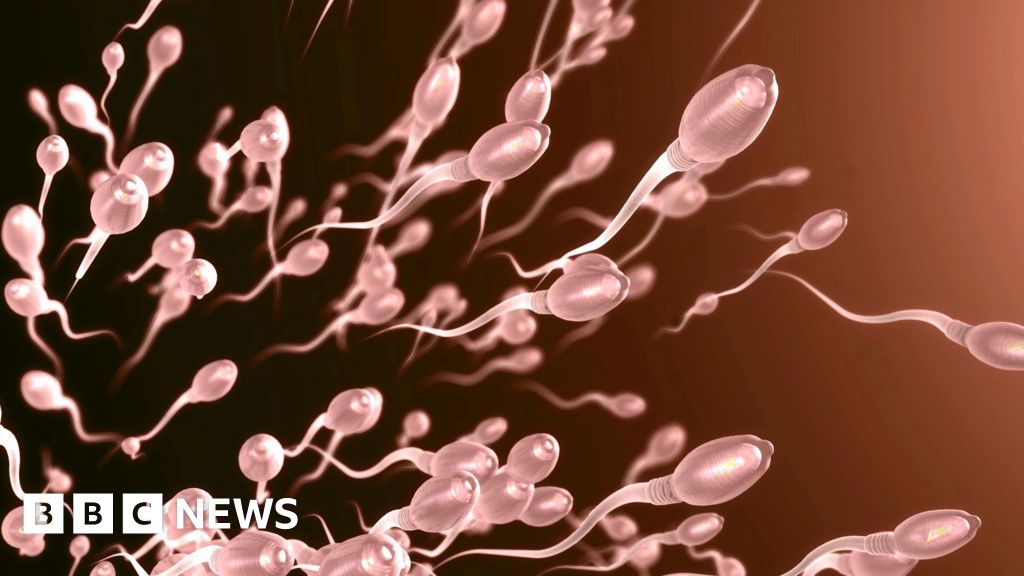
"A landmark international study reveals that male sperm quality, specifically its motility, reaches its peak during the summer months and is lowest in winter, a pattern observed consistently across diverse climates. This groundbreaking insight into the seasonal rhythm of male reproductive health offers critical guidance for fertility treatments and family planning."
The intricate dance of human reproduction is influenced by a myriad of factors, many of which are still being uncovered. While female fertility has long been understood to operate on a monthly cycle, the subtle yet significant seasonal variations impacting male reproductive health have remained less explored. A recent comprehensive study, drawing on a vast dataset from geographically distinct regions, has shed new light on this phenomenon, demonstrating a clear seasonal pattern in sperm quality that could revolutionize how we approach fertility assessment and treatment. The findings underscore that even in an age of advanced medicine, our biology remains deeply intertwined with the natural world’s rhythms.
A collaborative research effort involving scientists from the United Kingdom, Canada, and Denmark has uncovered compelling evidence that male sperm quality exhibits a distinct seasonal variation, peaking in summer and reaching its nadir in winter. Published in the esteemed journal Reproductive Biology and Endocrinology, the study meticulously analysed an extensive database of semen samples from 15,581 men, aged between 18 and 45 years, residing in two vastly different geographical locations: Denmark and Florida. This geographical diversity, encompassing a temperate European climate and a subtropical American one, proved crucial in disentangling the direct impact of ambient temperature from broader seasonal influences.
The central finding revolved around sperm motility, a critical parameter in assessing male fertility. Motility refers to the ability of sperm to swim effectively and progressively towards an egg, a fundamental requirement for natural conception. The researchers observed a consistent pattern: sperm motility was significantly highest during June and July across both Denmark and Florida. Conversely, the lowest levels of sperm motility were recorded in December and January. What makes this discovery particularly noteworthy is the persistence of this seasonal trend even in Florida, a region characterized by consistently warm temperatures year-round. This observation strongly suggests that factors beyond mere external temperature variations are at play in governing the seasonal ebb and flow of male reproductive function.
While sperm’s capacity for movement varied with the seasons, the study found no significant seasonal changes in other key semen parameters, such as total sperm concentration – the total number of sperm present in a given volume of semen – or ejaculate volume, which measures the total amount of semen produced during ejaculation. This distinction is vital; it implies that while the quantity of sperm produced remains relatively constant throughout the year, their functional quality, specifically their ability to navigate the female reproductive tract, is subject to a seasonal rhythm.
The implications of these findings are substantial, particularly for the field of reproductive medicine and for couples navigating the complexities of conception. Understanding these seasonal patterns could lead to more optimized timing for fertility treatments, such as in vitro fertilization (IVF) or intrauterine insemination (IUI), and improved guidance for fertility testing. If a man’s sperm motility is naturally higher in summer, timing certain interventions or diagnostic tests to align with this biological peak could potentially enhance success rates and provide a more accurate assessment of his baseline fertility potential.
Professor Allan Pacey from the University of Manchester, a co-author of the study and a leading expert in male reproductive health, articulated the significance of their discovery. "We were struck by how similar the seasonal pattern was in two completely different climates," Professor Pacey noted. "Even in Florida, where temperatures stay warm, sperm motility still peaked in summer and dipped in winter, which tells us that ambient temperature alone is unlikely to explain these changes." This statement underscores the study’s robustness and highlights the need to explore more complex biological mechanisms underlying these observed seasonal variations.
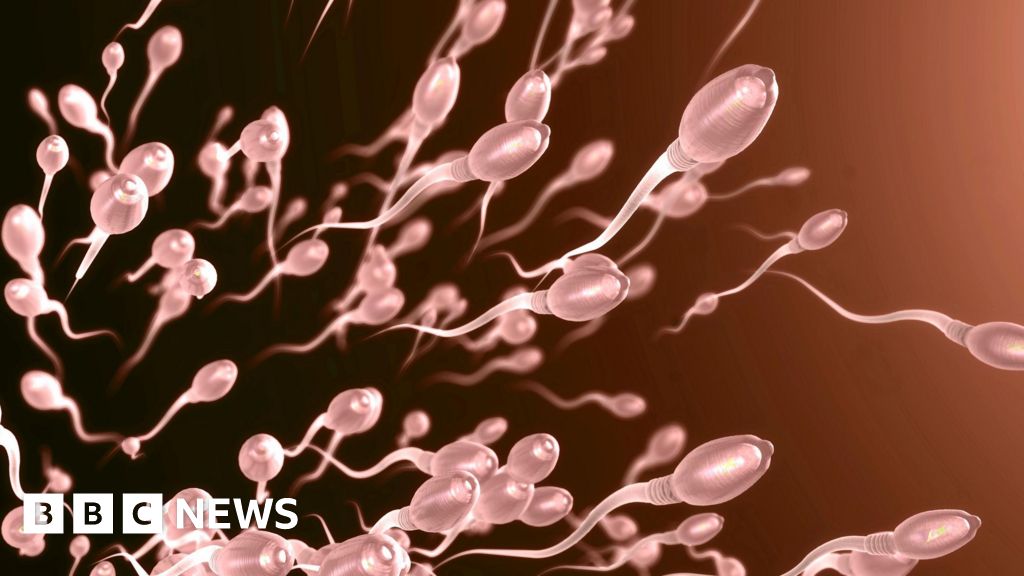
Male fertility is a multifaceted biological process, exquisitely sensitive to both internal and external environmental cues. One well-established factor is testicular temperature. The testes, where sperm are produced and stored, ideally require a temperature that is two to four degrees Celsius lower than the average core body temperature of 37 degrees Celsius for optimal sperm production and function. Deviations from this optimal range, either higher or lower, are known to negatively impact sperm motility and overall fertility. While the study effectively ruled out ambient temperature as the sole driver of seasonal variation, it opens the door to investigating other seasonally varying factors that might influence testicular thermoregulation or directly impact spermatogenesis and sperm maturation.
Several hypotheses emerge when considering what might be driving these seasonal changes in sperm motility beyond external temperature. One prominent area of exploration involves hormonal fluctuations. Hormones such as testosterone, melatonin, and prolactin are known to exhibit seasonal variations and play crucial roles in regulating reproductive functions in many species, including humans. Melatonin, often associated with sleep-wake cycles, is particularly sensitive to changes in photoperiod (the length of daylight), which varies significantly with the seasons. Seasonal changes in light exposure could modulate melatonin secretion, which in turn might influence the hypothalamic-pituitary-gonadal axis, ultimately affecting sperm production and maturation processes, including motility.
Another potential contributing factor could be Vitamin D. Synthesized in the skin upon exposure to sunlight, Vitamin D levels typically peak in summer and are lowest in winter. Emerging research has highlighted the critical role of Vitamin D receptors in male reproductive tissues, and adequate Vitamin D levels have been linked to improved sperm quality, including motility. A seasonal fluctuation in Vitamin D could therefore directly or indirectly impact sperm function.
Furthermore, lifestyle factors, while not the primary driver according to the Florida data, cannot be entirely discounted as contributing elements. Seasonal changes often bring shifts in diet, physical activity levels, alcohol consumption, and even stress, all of which can influence overall health and, by extension, reproductive health. However, the consistent pattern observed across diverse climates suggests a more fundamental biological rhythm at play, possibly an evolutionary remnant or an adaptation to broader environmental cycles. In many animal species, breeding seasons are tightly regulated by seasonal cues, ensuring offspring are born at optimal times for survival. While humans are less overtly seasonal breeders, our physiology may still retain some of these underlying biological predispositions.
The significance of this research extends beyond mere academic interest. For couples struggling with infertility, every piece of information that can optimize their chances is invaluable. "Our study highlights the importance of considering seasonality when evaluating semen quality," Professor Pacey emphasized. "It also shows that seasonal variation in sperm motility occurs even in warm climates. These findings deepen our understanding of male reproductive health and may help improve fertility outcomes." This sentiment encapsulates the practical implications of the study. Fertility clinics might consider advising patients on the optimal times for semen analysis or for scheduling assisted reproductive procedures to potentially maximize success rates. For couples trying to conceive naturally, being aware of these seasonal variations could inform their efforts, perhaps encouraging more focused attempts during periods of higher predicted sperm quality.
Looking ahead, this study lays crucial groundwork for future research. The next logical step involves delving deeper into the specific biological mechanisms responsible for these seasonal fluctuations. Longitudinal studies tracking individual men over an entire year, alongside detailed biochemical analyses of hormonal profiles, vitamin levels, and genetic expressions related to spermatogenesis, could help unravel the precise pathways involved. Such research might also explore whether these seasonal patterns differ among various male populations, based on age, ethnicity, or underlying health conditions.
In conclusion, the discovery of a distinct seasonal rhythm in male sperm motility represents a significant advancement in our understanding of male reproductive physiology. By demonstrating that sperm quality is highest in summer and lowest in winter, irrespective of ambient temperature, this international study compels us to look beyond simplistic explanations and consider the complex interplay of hormonal, nutritional, and possibly evolutionary factors. As we continue to unravel these biological mysteries, this research offers a tangible path towards refining fertility diagnostics and treatments, ultimately providing greater clarity and hope for countless individuals and couples on their journey to parenthood.