
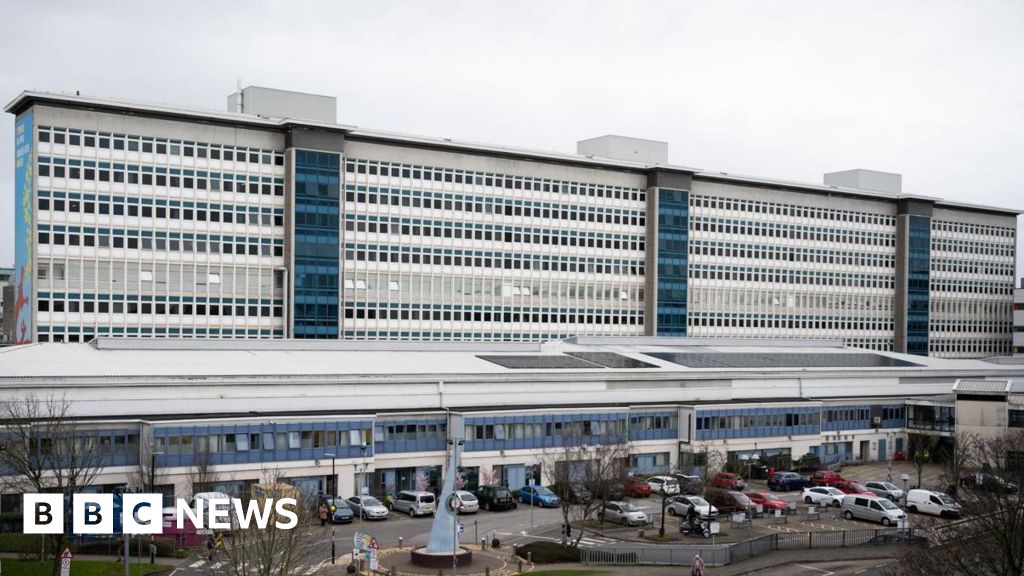
"A damning internal report has exposed a ‘toxic culture’ and ‘systemic failure at all levels’ within a critical department of Wales’ largest hospital, revealing allegations of bullying, harassment, and aggression that left staff feeling unsafe and undermined patient care integrity."
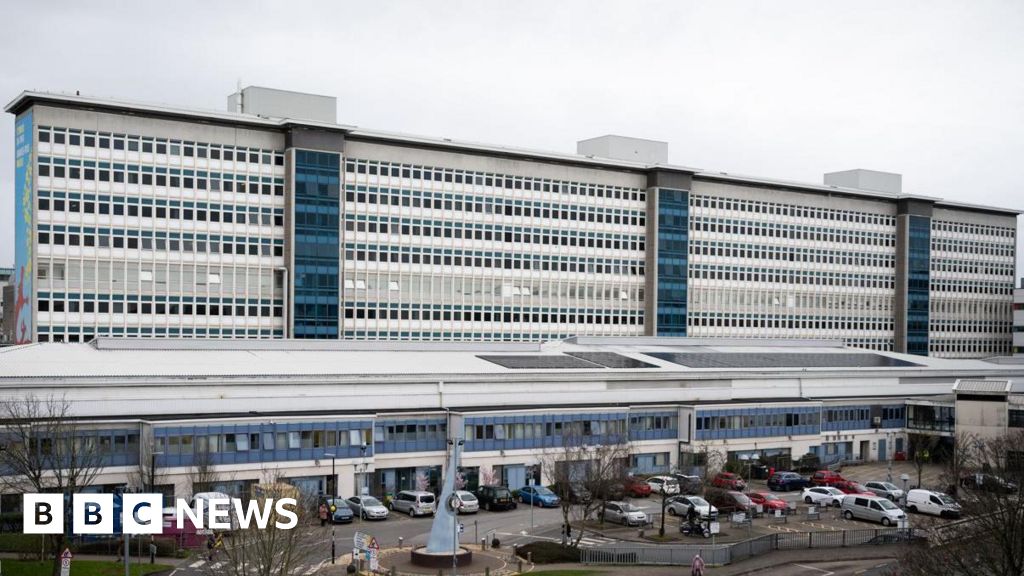
A leaked internal review from Cardiff and Vale health board has cast a stark light on deeply disturbing cultural issues within the Sterile Services Department (HSDU) at the University Hospital of Wales (UHW), the nation’s largest medical facility. Completed in August 2024 but withheld from public disclosure, the report details a pervasive atmosphere of bullying, harassment, and aggressive behaviour, culminating in what investigators described as a "toxic culture" and "systemic failure at all levels." This revelation underscores the profound challenges faced by healthcare institutions in maintaining not only clinical excellence but also a healthy and supportive working environment for their staff, particularly in departments critical to patient safety.
The University Hospital of Wales, a flagship institution within the Welsh NHS, relies heavily on the efficient and meticulous operation of its Sterile Services Department. This crucial unit is responsible for the decontamination, sterilization, and preparation of all reusable medical and surgical equipment used across the hospital, from operating theatres to outpatient clinics. Any compromise in the HSDU’s integrity, whether due to operational inefficiencies or, as this report suggests, a deeply dysfunctional workplace culture, carries significant implications for patient safety and the broader trust in the healthcare system.
The internal review, initiated by the Cardiff and Vale health board, was a comprehensive undertaking, gathering insights from 64 current and former members of staff, alongside interviews with 10 senior leaders who had oversight of the department. The findings painted a troubling picture of a unit where professional conduct had significantly eroded. A "significant number of people" reported experiencing or witnessing "bullying and harassment," creating an environment where many staff members expressed that they "not feeling safe" at work. The psychological toll was evident, with the prevailing culture repeatedly described as "toxic" and "mentally draining."
Beyond verbal abuse and intimidation, the report documented instances of "violent and aggressive" behaviour, including individuals "throwing trays, shouting or hitting trolleys when they lost their temper." The use of "swearing or unprofessional language" during working hours was also commonplace, alongside "coercive behaviour" where some colleagues were perceived to "thrive" on targeting specific individuals. Such behaviours, particularly within a high-pressure clinical support environment, not only degrade staff morale but can also increase the risk of errors, compromise focus, and lead to a breakdown in essential communication and teamwork.
A particularly insidious aspect highlighted by the review was the existence of two main "cliques" within the HSDU. This factionalism reportedly led to "tit-for-tat reporting" of each other’s behaviours, creating a cycle of distrust and blame that further paralyzed any attempts at genuine resolution or collaboration. Such internal divisions can be profoundly damaging, diverting energy from core tasks and fostering an environment where grievances fester rather than being addressed constructively.
Adding to the gravity of the situation, the report revealed a history of unaddressed concerns. Complaints were lodged about previous internal reviews and staff surveys, dating back as far as 2017, with staff claiming these had "made no difference." This long-standing pattern gave the impression that "poor behaviour had been tolerated over a number of years," suggesting a persistent failure in leadership oversight and accountability mechanisms that allowed the toxic culture to become entrenched. The implications are clear: when staff perceive that their concerns are ignored or that past interventions have been ineffective, it breeds cynicism and a reluctance to speak up, allowing problematic behaviours to escalate unchecked.
Specific incidents further underscored the deeply troubling environment. The report detailed an incident in 2022 where HSDU managers and supervisors "inadvertently leaving an inappropriate message" on a team member’s answerphone, an act that speaks to a profound lack of professional judgment and respect. Another alarming incident from 2020 involved concerns that a member of staff’s Lucozade bottle had been tampered with. While police concluded "there was no evidence of criminal intent and no further action was taken," the very existence of such an allegation within a workplace points to an extreme level of distrust and animosity.
Critically, the review also acknowledged the complexity of cultural change, noting that some staff members who had themselves raised concerns failed to "reflect or acknowledge that their own behaviour might have been a ‘contributory factor’." This observation highlights a significant hurdle in transforming workplace cultures: the need for collective responsibility and a willingness among all parties to critically self-assess and adapt their behaviours for the betterment of the unit. The report unequivocally concluded that "the culture within the HSDU is not safe" for those involved and lacked the openness and transparency necessary for "all to be able to speak up freely."
In response to the damning findings, the health board stated it had acted "robustly and fairly" to address the "historic allegations." Disciplinary proceedings were initiated against five members of staff: two subsequently resigned, two were redeployed to roles outside the HSDU, and one member of staff was dismissed. Beyond individual accountability, the health board emphasized that "leadership oversight, management arrangements and team culture" had been "strengthened," with "more effective ways of working" and "a more positive team environment" now reportedly in place. The report recommended a comprehensive "cultural action plan" and continued "consequences" for individuals, alongside enhanced management oversight, acknowledging that genuine cultural change would "take time and engagement from all involved."
The revelations have also drawn political scrutiny. Andrew RT Davies, the Conservative member for South Wales Central in the Senedd, raised the matter during First Minister’s Questions. First Minister Eluned Morgan initially stated it was not unusual for health boards to conduct internal reviews that are not shared with the Welsh government, particularly when disciplinary action could be prejudiced. However, following the conclusion of the disciplinary proceedings, she confirmed she had requested a copy of the report, noting she was "yet to receive it." This prompted a clarification from the Cardiff and Vale health board, which insisted that the report’s findings and subsequent progress were formally presented to its People and Culture Committee in 2024, with a further update in March 2025, and had "also since been shared with Welsh government officials." The discrepancy in communication highlights potential challenges in accountability and oversight between health boards and the Welsh government.
Further compounding the gravity of the situation, the article mentioned additional details, including an "atmosphere of fear" with allegations of "criminal behaviour, including drugs and theft, going largely unchallenged." Health Secretary Jeremy Miles had previously alluded to "a series of worrying cultural and leadership challenges" within the health board, alongside concerns about waiting lists, suggesting that the issues within the HSDU might be indicative of broader systemic problems.
The case of the University Hospital of Wales’ HSDU serves as a critical reminder that the health and safety of staff are inextricably linked to the quality and safety of patient care. A dysfunctional and toxic workplace culture, particularly in a department as vital as sterile services, can have far-reaching and detrimental consequences. While the health board has taken disciplinary action and claims to have initiated cultural improvements, the path to genuine and sustainable change is often long and arduous. It demands sustained commitment from leadership, transparent communication, ongoing monitoring, and a fundamental shift towards an environment where every staff member feels safe, respected, and empowered to speak up without fear of reprisal. The continued scrutiny from both within the health system and by political bodies will be essential to ensure that the lessons from this leaked report lead to lasting positive transformation, safeguarding both the well-being of healthcare professionals and the integrity of patient care in Wales.