
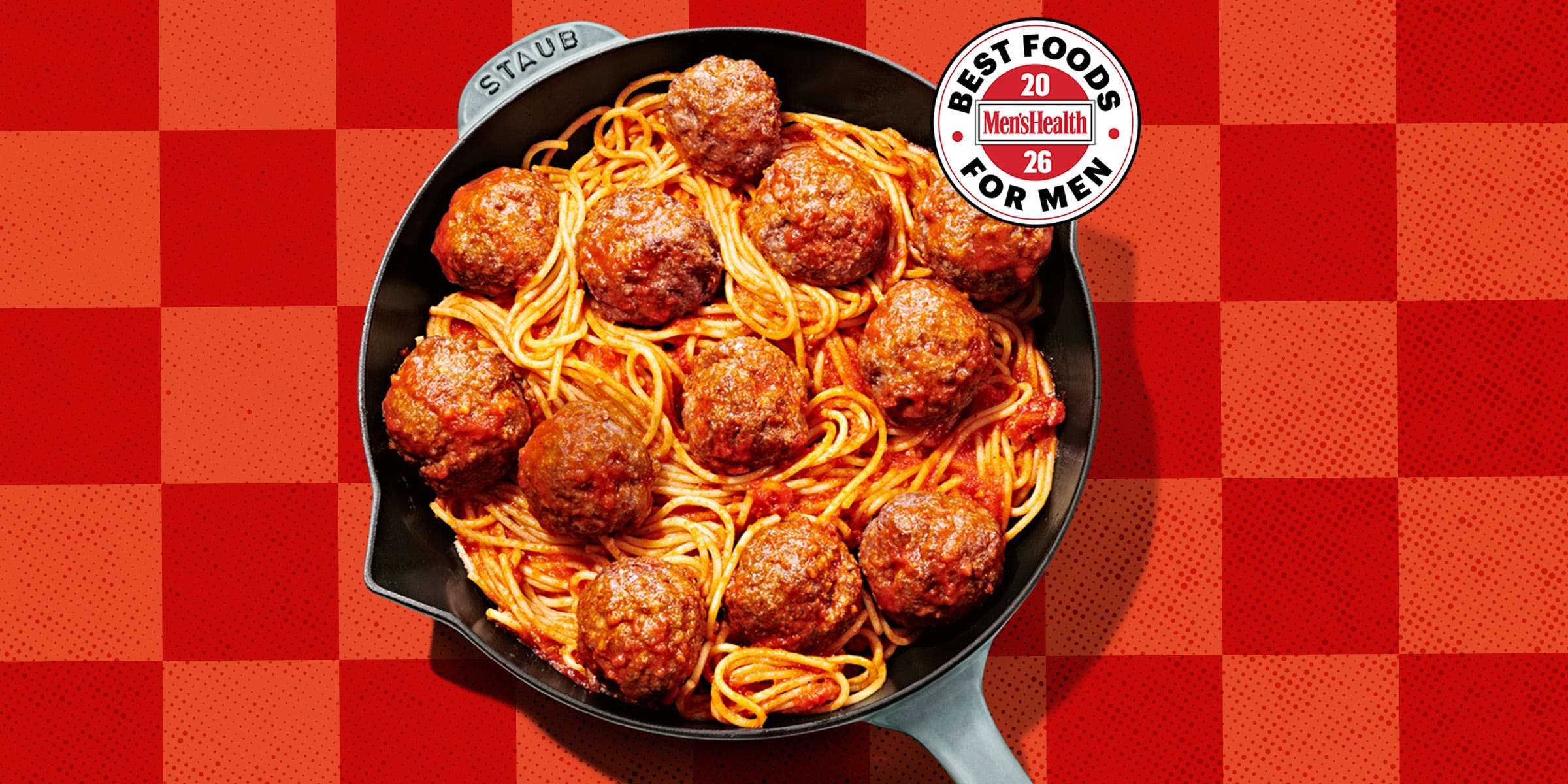
"The modern supermarket is undergoing a functional transformation, shifting away from empty-calorie convenience toward nutrient-dense packaged goods that prioritize metabolic health, muscle preservation, and sustained satiety."

For decades, nutritional science has emphasized the critical roles of protein and fiber in human health, yet the packaged food industry has often lagged behind, favoring shelf-stable carbohydrates and refined sugars. Recently, however, a shift in consumer demand has prompted a "nutritional arms race" among manufacturers, resulting in a new generation of products that bridge the gap between convenience and clinical-grade nutrition. To identify the most effective options for the modern consumer, researchers and nutritionists have analyzed hundreds of labels, focusing on a specific synergy: high protein counts to support muscle synthesis and high fiber levels to ensure gut health and blood sugar regulation.

The Science of Satiety and Performance
The primary challenge of the modern diet is the "satiety gap"—the period between meals where hunger returns due to rapid glucose spikes and subsequent crashes. Protein and fiber are the two most powerful tools for closing this gap. Protein increases the thermic effect of food (TEF), meaning the body burns more calories digesting it, while also triggering hormones like cholecystokinin (CCK) that signal fullness to the brain. Fiber, conversely, slows gastric emptying and provides the necessary bulk to move food through the digestive tract, while also acting as a prebiotic for the gut microbiome.

When these two nutrients are combined in a single meal, the result is a stabilized insulin response and prolonged energy. For main meals, the gold standard has moved toward a threshold of 30 grams of protein and 10 grams of fiber. For snacks, the target is 15 grams of protein and 5 grams of fiber. The following products represent the pinnacle of this new "functional food" movement, categorized by their role in a daily performance-oriented diet.

Breakfast: Establishing the Metabolic Foundation
The first meal of the day is critical for breaking the overnight catabolic state and stimulating muscle protein synthesis. Historically, breakfast has been dominated by low-protein cereals and pastries. The current market, however, offers sophisticated alternatives.

ChiChi Protein Hot Cereal ($32.00) represents a significant departure from traditional oats. By utilizing chickpeas as a base, this grain-free cereal provides 11 grams of plant-based protein and 6 grams of fiber per serving. This is particularly beneficial for those following gluten-free or grain-free protocols who still require the comforting texture of a hot porridge.

For dairy consumers, Pioneer Pastures Ultra-Filtered A2 Protein Milk ($5.99) addresses two common issues: digestibility and protein density. By filtering out lactose and utilizing cows that produce only the A2 beta-casein protein, this milk is often easier on the gastrointestinal tract than standard dairy. It delivers a robust 14 grams of protein per serving, nearly double that of traditional milk.

In the frozen category, Rise & Puff Breakfast Quesadillas ($39.92) provide 20 grams of protein in a 300-calorie package. While these are efficient for muscle maintenance, they are low in fiber, necessitating a pairing with fruit or cottage cheese to reach the recommended 10-gram fiber threshold. For those seeking a one-stop solution, Holos Organic Overnight Muesli ($6.00) offers 20 grams of protein and 11 grams of fiber. This pouch-based meal is designed for the "grab-and-go" consumer who refuses to compromise on organic, whole-food ingredients.

Other notable mentions include Br’Oats Oatmeal, which uses whey protein to hit 30 grams of protein, and Three Bridges Turkey Sausage & Swiss Egg White Bites, which provide 17 grams of protein for a lean 250 calories, making them an ideal choice for weight management.

Lunch and Dinner: Convenience Without Compromise
The "frozen dinner" was once synonymous with high sodium and low nutritional value. Today, sous-vide technology and legume-based pastas have revolutionized the center of the plate.

Kevin’s Natural Foods Frozen Bowls ($7.00) are a standout in this category, particularly the Parmesan Basil Chicken. By using the sous-vide cooking method—cooking vacuum-sealed food in a water bath—the chicken remains tender and nutrient-dense. With 34 grams of protein and no added sugar, it serves as a blueprint for a performance meal.

In the realm of carbohydrates, Loopini High-Protein Margherita Pizza ($14.00) utilizes lupini beans for its crust. Lupini beans are a nutritional powerhouse, containing more protein per gram than almost any other legume. This allows a single pizza to provide 50 grams of protein and 20 grams of fiber for only 560 calories, effectively turning a "cheat meal" into a recovery meal. Similarly, HappiEats Sport Pasta ($8.00) blends durum wheat with lentil, white bean, and quinoa flours to deliver 18 grams of protein and 10 grams of fiber per serving.

For those seeking plant-based or pantry-stable options, Lentiful ($0.00/Amazon) offers instant lentils that provide 12 grams of protein and 7 grams of fiber with the simple addition of hot water. Even the condiments have evolved; Sturdy Sauce Marinara ($11.99) is fortified with bone broth and collagen, delivering 20 grams of protein per half-cup—a figure unheard of in traditional pasta sauces.

The Evolution of Snacking: High-Protein, Low-Sugar Alternatives
Snacking is often where nutritional goals are derailed. The new wave of snacks focuses on "clean labels"—minimal ingredients with maximal nutritional impact.

Mush Protein Bars ($64.99) and Carnal Beef Sticks ($49.99) illustrate the two ends of the snacking spectrum. Mush avoids synthetic fats and pseudo-sugars, providing 15 grams of protein through whole-food ingredients. Carnal Beef Sticks, developed by high-end chefs, offer 8 grams of protein with zero sugar, utilizing black truffle and black garlic for a flavor profile that exceeds standard jerky.

Functional beverages and supplements are also seeing a rise in quality. Lifeway Muscle Mates is a unique hybrid, combining 20 grams of protein with 5 grams of creatine and 12 probiotic cultures. This "triple-threat" supports muscle growth, cognitive function, and gut health simultaneously. For athletes, Momentous Whey Protein Isolate Travel Packs ($33.00) offer the security of NSF Certified for Sport status, ensuring the product is free of banned substances while providing high-quality grass-fed whey.

Even traditional snack forms have been "upgraded." Hippeas Chickpea Pops ($20.94) and Catalina Crunch Protein Snack Mix ($6.99) provide crunchy, savory alternatives to potato chips that contribute to daily protein and fiber totals rather than detracting from them. For a sweet finish, The Conscious Bar provides 6 grams of protein and 10 grams of fiber in a dark chocolate format, proving that even indulgence can be functional.

Conclusion: The Future of the Grocery Cart
The proliferation of high-protein and high-fiber products marks a significant turning point in public health. By embedding these essential nutrients into convenient, great-tasting formats, manufacturers are making it easier for the average person to meet their metabolic needs. However, the responsibility still lies with the consumer to read labels critically. The most effective products are those that avoid "label padding"—adding cheap protein isolates to otherwise unhealthy foods—and instead focus on whole-food bases like chickpeas, lupini beans, and grass-fed dairy.

As the boundary between "health food" and "regular food" continues to blur, the winners of the 2025 Food Awards prove that performance-grade nutrition is no longer reserved for elite athletes. It is now accessible in every aisle of the supermarket, provided one knows what to look for.