
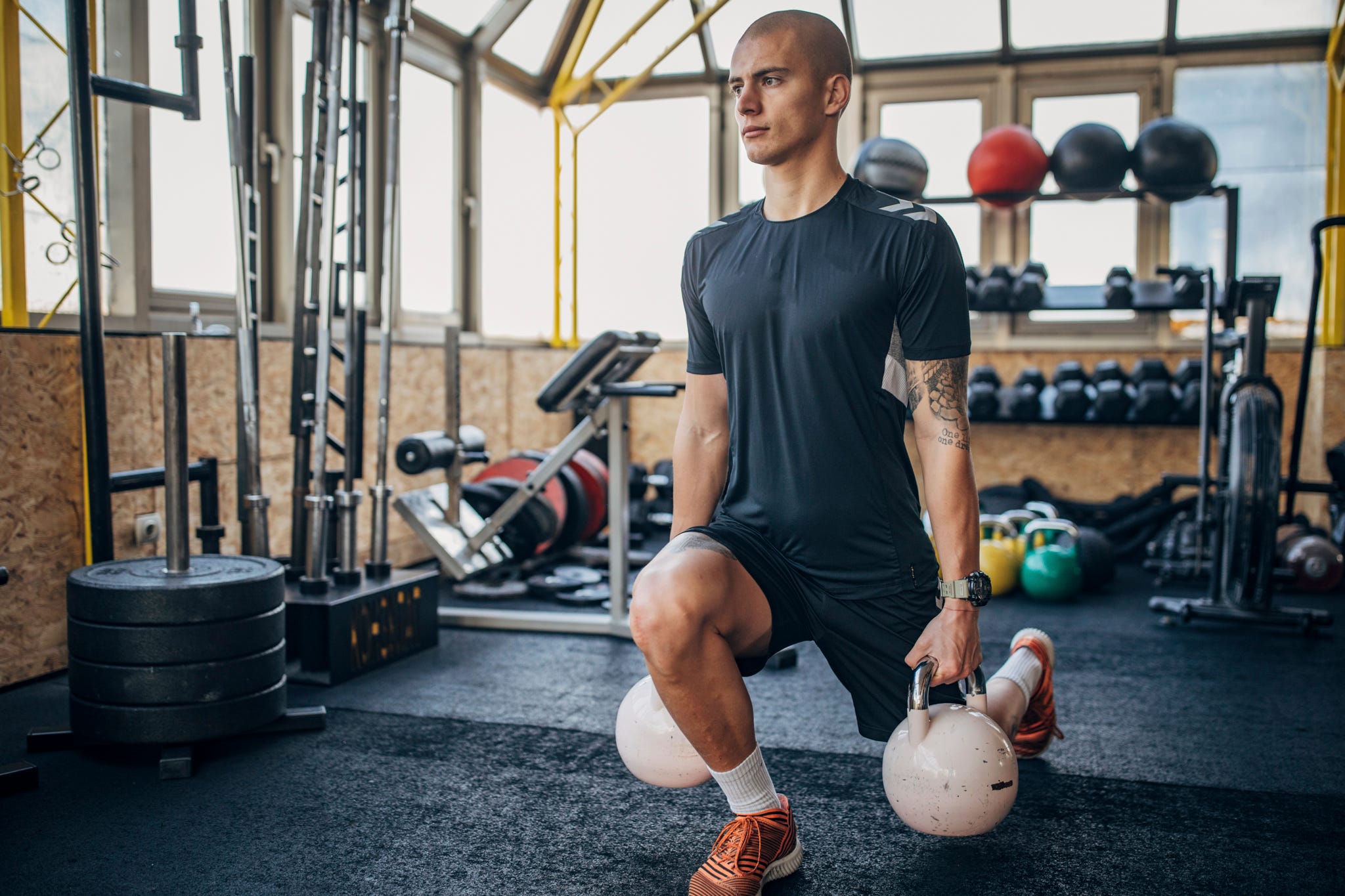
"Leg training is more than an aesthetic pursuit; it is the physiological bedrock of human movement, requiring a strategic blend of multi-joint compound lifts and targeted isolation to achieve peak physical performance and longevity."
This guide explores the multifaceted nature of lower body training, moving beyond the simple "don’t skip leg day" mantra to examine how various movement planes and exercise selections impact muscle growth and functional stability. By integrating biomechanical insights with a diverse array of training modalities, athletes can build a foundation that supports both explosive power and long-term joint health, ensuring that every session contributes to a more resilient and capable physique.
The Foundation of Human Performance
The muscles of the lower body—the quadriceps, glutes, hamstrings, and calves—represent the largest and most powerful muscle groups in the human anatomy. They are the engines of locomotion, responsible for everything from a simple stride to a maximal vertical leap. While many fitness enthusiasts focus on the "mirror muscles" of the upper body, the true mark of a well-conditioned athlete is found in the legs. Lower body training is notoriously demanding, often pushing the cardiovascular and nervous systems to their limits, yet the rewards are unparalleled in terms of metabolic demand, hormonal response, and functional utility.

To build truly impressive legs, one must look beyond the standard squat rack. A comprehensive program requires an understanding of the three planes of motion: the sagittal plane (forward and backward), the frontal plane (side to side), and the transverse plane (rotational). Most traditional exercises, like the squat and deadlift, exist primarily in the sagittal plane. While these are essential for building raw strength, neglecting the other planes can lead to muscle imbalances and a plateau in functional growth.
The Essential Exercise Library
1. The Squat Variations: From Bodyweight to Barbell
The squat is often heralded as the "king of exercises," and for good reason. It is a fundamental human movement pattern that engages nearly every muscle in the lower body while demanding significant core stability.
- Bodyweight Squat: This serves as the baseline for all lower body training. The primary error many beginners make is initiating the movement with the knees rather than the hips. By focusing on "sitting back" into the heels, the trainee shifts the load to the glutes and hamstrings. Incorporating pauses or pulses can increase the time under tension, making this a viable tool even for advanced lifters.
- Barbell Back Squat: The gold standard for building mass. By placing the load on the upper back, the lifter can move the heaviest weights possible, stimulating systemic growth. It is the entry point for serious strength training.
- Front Squat: By shifting the barbell to the front of the shoulders, the emphasis moves toward the quadriceps. This variation requires immense thoracic extension and core strength; if the core fails, the bar drops. It is effectively an abdominal workout disguised as a leg exercise.
- Goblet Squat: Utilizing a kettlebell or dumbbell held at chest height, the goblet squat acts as a "squat tutor." The weight serves as a counterbalance, allowing the lifter to sink deeper into the hips while maintaining an upright torso.
2. The Posterior Chain: Deadlifts and Hinges
While squats are quad-dominant, deadlifts and hinges target the "posterior chain"—the hamstrings and glutes—which are vital for explosive power and spinal protection.
- Barbell Deadlift: This is the ultimate test of total-body strength. Whether performed conventionally or in a sumo stance, the deadlift hammers the hamstrings, glutes, and lower back. It is arguably the most "functional" lift, mimicking the act of picking a heavy object off the ground.
- Trap Bar Deadlift: For many, the trap bar (or hex bar) is a superior choice to the traditional barbell. Because the lifter stands inside the center of gravity and uses a neutral grip, the mechanical stress on the lower back is reduced, making it a safer and often more "natural" movement for those with mobility restrictions.
- Romanian Deadlift (RDL): Unlike the standard deadlift, the RDL focuses on the eccentric (lowering) phase. By maintaining a slight bend in the knees and hinging at the hips, the lifter creates a massive stretch in the hamstrings, which is a primary driver for muscle hypertrophy.
- Good Mornings: This exercise involves placing a barbell on the back and hinging forward. It requires strict core bracing to prevent spinal rounding and is an elite-level move for isolating the hamstrings and glutes.
3. Unilateral Training: Balance and Symmetry
Bilateral exercises (using both legs) are great for moving heavy weight, but unilateral training (single-leg) is where true athleticism is built. It corrects imbalances and improves stability.
- Bulgarian Split Squat: By elevating the rear foot, the front leg is forced to bear the vast majority of the load. This move is famous for the "burn" it produces in the quads and glutes, while also improving hip flexor mobility.
- Walking Lunges: The walking variation is superior to stationary lunges because it requires the "step-through" motion, which more accurately mimics running and walking. This keeps the movement dynamic and reduces shearing forces on the knees.
- Step Ups: A hidden weapon for knee health. When performed with control—preventing the "bounce" off the bottom foot—the step up builds immense unilateral strength and balance.
- Single-Leg Deadlift: This move challenges the stabilizer muscles of the hip and ankle. It is essential for athletes who need to remain powerful while off-balance.
4. Specialized and Machine-Based Movements
While free weights are vital, machines and specialized variations allow for targeted isolation and training through different planes of motion.
- Lateral Lunge: This is a rare but necessary foray into the frontal plane. By moving side-to-side, the lifter engages the adductors and abductors, muscles that are often neglected in traditional forward-facing routines.
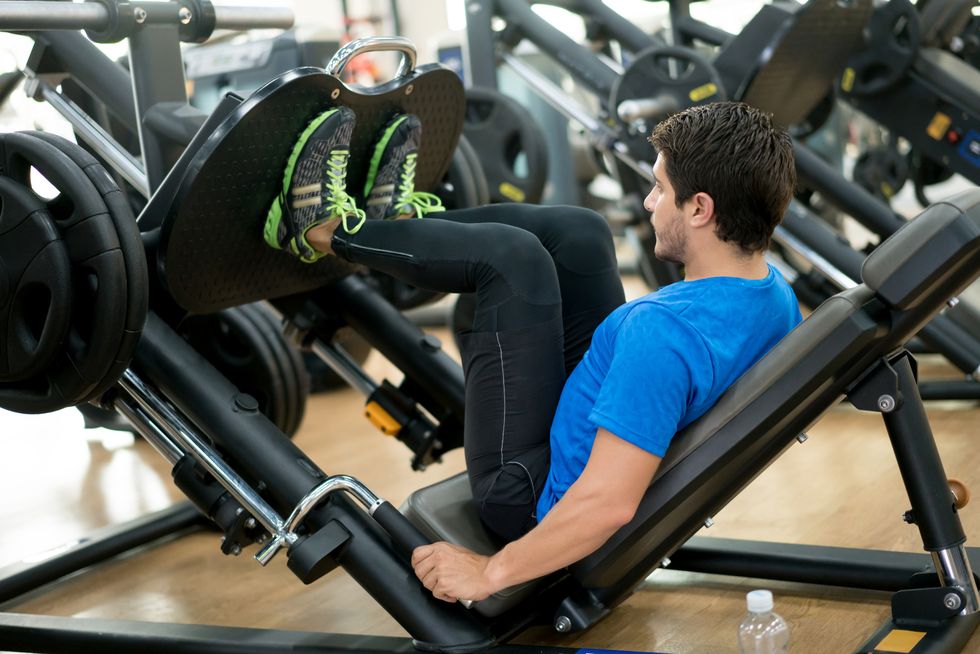
- Leg Press: Though sometimes maligned as "non-functional," the leg press allows for extreme quadriceps isolation without the limiting factor of back strength or balance. It is a "joint-saving" alternative for those recovering from injury or looking to add volume at the end of a workout.
- Barbell Hip Thrust: Popularized by modern sports science, the hip thrust is the premier exercise for glute development. Because the force is horizontal rather than vertical, it places minimal stress on the spine while allowing for massive loading.
- Jump Squat: To turn strength into power, one must move quickly. The jump squat trains the nervous system to recruit muscle fibers rapidly, bridging the gap between the weight room and the field of play.
The Importance of the Warm-Up and Programming
Training the legs without a proper warm-up is a recipe for injury. Physical therapists, such as Cameron Yuen, DPT, recommend a multi-part approach that includes tissue mobilization, dynamic stretching, and muscle activation. Pre-exhausting the glutes with light bridges or opening the hips with "world’s greatest stretches" ensures that the primary movers are ready to take the load, protecting the joints from unnecessary wear.
When building a program, the key is consistency and progressive overload. One should select a mix of compound lifts (squats/deadlifts) to start the session when energy is highest, followed by unilateral work (lunges/split squats), and finishing with isolation or machine work (leg press/leg curls).
Conclusion: The Long-Term Benefits
The benefits of a dedicated leg training regimen extend far beyond the gym. From a metabolic standpoint, training large muscle groups burns more calories and stimulates a greater release of growth-promoting hormones. From a functional standpoint, strong legs are the primary defense against the frailty that often accompanies aging. They enable us to navigate our environment with confidence, power, and grace.
By varying the implements used—barbells, dumbbells, kettlebells, and machines—and by moving through all planes of motion, a trainee ensures that their lower body is not just strong, but resilient. Whether the goal is to run faster, jump higher, or simply live a more active life, the path to success begins with the foundation. Happy training.