
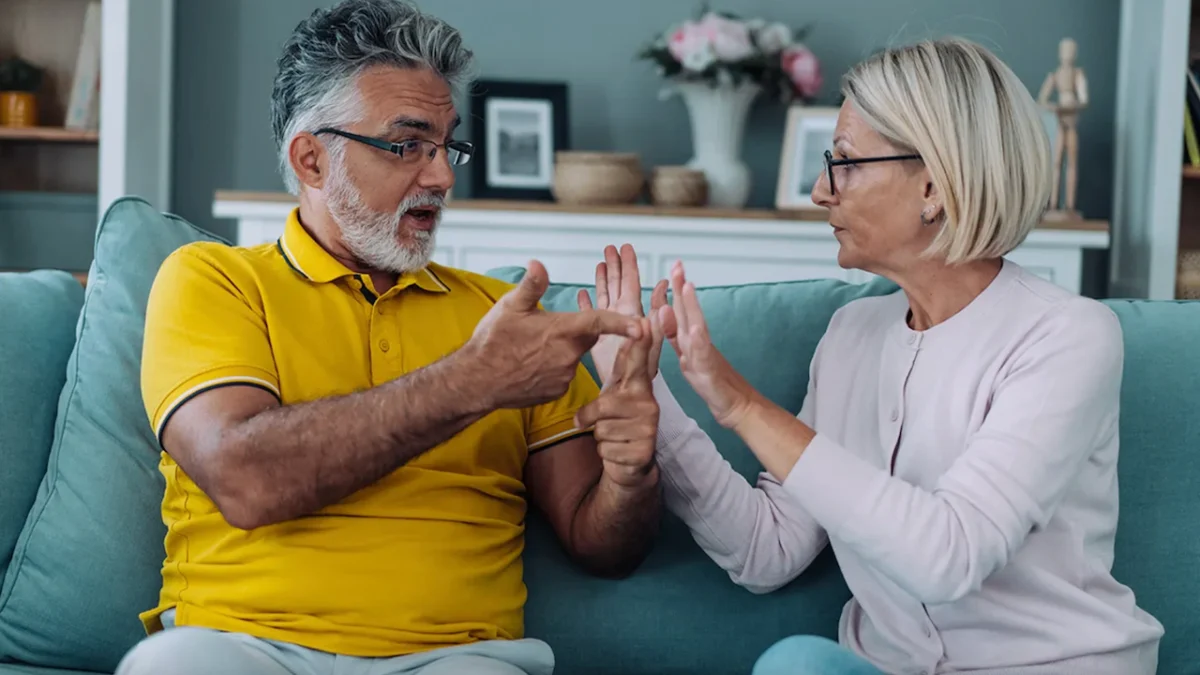
"Every persistent conflict in our social circle acts as a chronic biological stressor, with each additional ‘hassler’ in a person’s life linked to a nine-month increase in biological age and a measurable acceleration of cellular decay."
New research published in the journal PNAS (Proceedings of the National Academy of Sciences) reveals that the quality of our social networks serves as a literal barometer for our longevity. By analyzing the impact of "hasslers"—individuals who consistently provoke social difficulties or interpersonal friction—researchers have found that negative social ties are not merely a mental burden but a physical catalyst for premature aging. This study highlights a critical shift in how we understand health, suggesting that biological aging is as much a product of our social environment as it is of our genetics or lifestyle choices.
The Science of Biological vs. Chronological Age
To understand the weight of these findings, one must first distinguish between chronological age and biological age. While chronological age is simply the number of years a person has been alive, biological age refers to the physiological state of a person’s cells and systems. It is a measure of how much "wear and tear" the body has accumulated over time. Two individuals born in the same year can have vastly different biological ages based on their diet, exercise, environment, and, as this study confirms, their social interactions.
The researchers, hailing from several prominent U.S. universities, utilized "biological clocks" to reach their conclusions. These clocks are sophisticated diagnostic tools that measure age-related changes to DNA, specifically looking at DNA methylation patterns. By examining these molecular markers, scientists can determine the pace at which an individual is aging at a cellular level. When the biological age exceeds the chronological age, it indicates "accelerated aging," a state that significantly increases the risk of age-related diseases and early mortality.
The "Hassler" Effect: Quantifying Social Stress
The study focused on a sample of more than 2,000 participants from Indiana, all aged 18 or older. Within this group, nearly 30% of individuals reported having at least one "hassler" in their immediate social network. A "hassler" was defined as someone who frequently causes problems, demands excessive time or emotional energy, or creates consistent social difficulty.
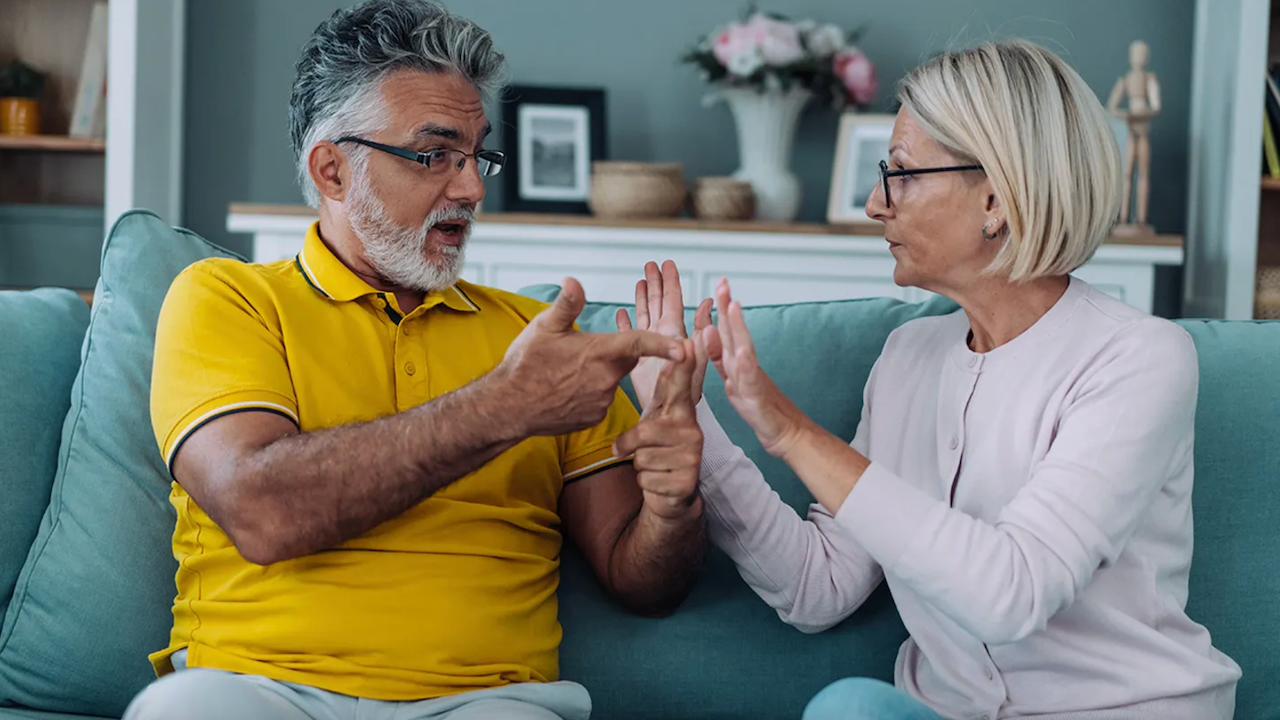
The quantitative results were striking: for every additional hassler identified in a person’s network, there was a 1.5% increase in the pace of biological aging. More specifically, the presence of these difficult individuals was associated with a biological age that was approximately nine months older than those with more harmonious social circles.
This acceleration is not an isolated metric; it correlates with a cascade of negative health outcomes. The research linked the presence of hasslers to higher levels of systemic inflammation, a greater number of chronic health conditions, and significantly worse mental health outcomes, including increased rates of depression and anxiety.
Demographics of Social Strain
The data revealed that the burden of negative social ties is not distributed equally across the population. Certain groups were statistically more likely to report the presence of hasslers in their lives. These included:
- Women: Who often carry a higher "kin-keeping" burden and may be more attuned to or affected by social friction.
- Daily Smokers: Suggesting a potential link between lifestyle stressors and social environments.
- Individuals in Poor Health: Creating a possible feedback loop where illness exacerbates social difficulty, which in turn accelerates biological decline.
- Those with Adverse Childhood Experiences (ACEs): Highlighting how early-life trauma can prime an individual for difficult social dynamics in adulthood or increase their vulnerability to the biological impact of those dynamics.
The Hierarchy of Relationships: Why Family Hurts Most
One of the study’s most nuanced findings concerns the source of the social friction. Not all difficult people impact the body in the same way. The researchers found that "hasslers" who were blood relatives or non-blood acquaintances (such as difficult friends or coworkers) had a significantly detrimental association with aging.
However, "spouse hasslers"—husbands or wives who were identified as difficult—did not show the same statistically significant link to accelerated biological aging. The researchers theorize that marriage represents a unique "mixed" tie. Unlike a difficult sibling or a problematic neighbor, a marriage typically involves a high degree of positive exchanges alongside the negative ones. The emotional support, financial stability, and companionship of a marriage may act as a buffer, neutralizing the biological toll of the occasional conflict.
Conversely, blood relatives are often "inescapable" stressors. Because these relationships are deeply embedded and difficult to sever, the stress they cause becomes chronic. In the world of biology, chronic stress is far more damaging than acute stress, as it keeps the body’s inflammatory response and cortisol levels permanently elevated, leading to the "weathering" of cellular structures.

Expert Insights: The Sociology of Longevity
Byungkyu Lee, a study co-author and associate professor in NYU’s Department of Sociology, emphasizes that these findings should change how we view our social circles. "We are surrounded by those who make our lives difficult and cause problems," Lee noted. "We found that they are not just stressful; they are associated with measurable acceleration in biological aging at the molecular level."
Lee suggests that the "overall balance" of a social network is what matters most for health. It is not necessarily about having a perfect, conflict-free life—which is unrealistic—but about ensuring that the weight of negative interactions does not overwhelm the body’s ability to recover.
"Many of these relationships involve family members or others who are deeply embedded in daily life, so the challenge is often not simply avoiding them, but finding healthier ways to manage them," Lee added. This perspective shifts the focus from simple avoidance to sophisticated social management and boundary-setting.
Implications for Public Health and Intervention
The study’s findings suggest a need for "social prescriptions" in the medical field. If negative social ties are a primary driver of biological aging, then clinical interventions should perhaps focus on helping patients manage their social environments.
The researchers proposed community-based programs as a potential solution. By engaging in shared hobbies, volunteering, or mutual aid groups, individuals can expand and diversify their social networks. Introducing "positive" ties can help dilute the impact of "hasslers." A diverse network provides alternative sources of support, making an individual less dependent on, and therefore less vulnerable to, the stress caused by a single difficult relative or acquaintance.
Furthermore, the study highlights the "allostatic load"—the cumulative burden of chronic stress and life events. When the body is constantly responding to social friction, it stays in a "fight or flight" mode. Over decades, this results in higher blood pressure, weakened immune systems, and the degradation of DNA integrity.

Study Limitations and the Path Forward
While the findings are compelling, the authors were careful to note several limitations. First, the study demonstrates an association, not direct causation. It is possible that individuals who are already aging faster or who have underlying health issues may perceive their social interactions more negatively, or that their illness creates friction in their relationships.
Second, the data was collected at a single point in time. This "snapshot" approach makes it difficult to determine the long-term direction of the relationship—whether the hasslers caused the aging or if accelerated aging led to the reporting of more hasslers.
Third, the sample was restricted to a specific region (the U.S. Midwest), meaning the results may not perfectly translate to different cultural contexts where social obligations and the definition of "difficult" people might vary. Finally, the data relied on self-reporting, which is inherently subject to the participants’ moods, memories, and personal biases.
Despite these caveats, the research marks a significant step forward in the field of social genomics. It provides a biological basis for the age-old wisdom that we should "choose our company wisely." As science continues to map the intersection of sociology and biology, it becomes increasingly clear that the people we allow into our lives have a profound influence not just on our happiness, but on the very cells that sustain our existence. Promoting healthier aging trajectories may ultimately require us to prune our social circles as diligently as we manage our diets.