
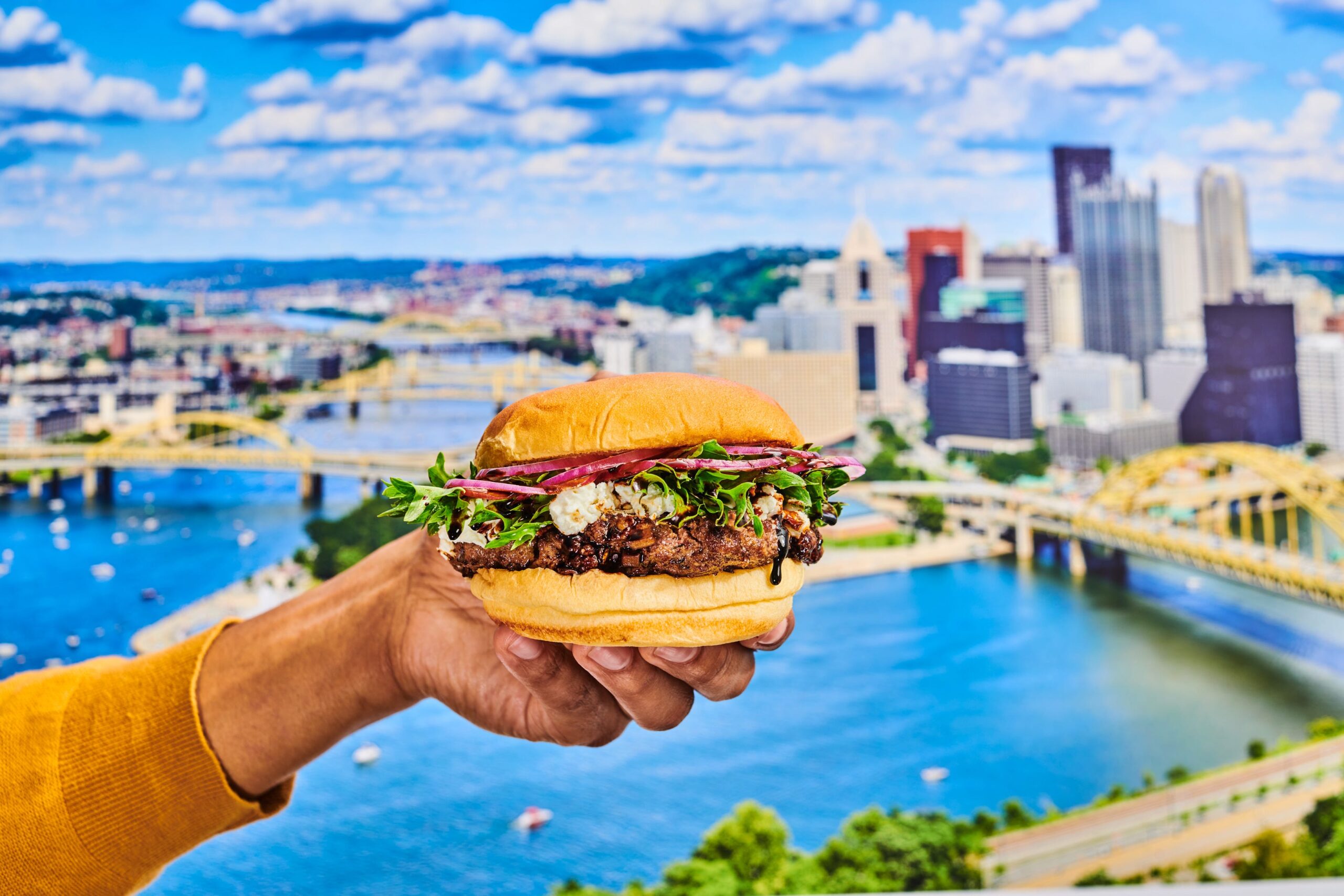
"By integrating finely chopped mushrooms into traditional beef patties, chefs are achieving a superior ‘umami’ profile while significantly reducing caloric density without sacrificing the sensory experience of a classic burger."
This culinary technique, championed by the James Beard Foundation’s Blended Burger Project, represents a pivotal shift toward "plant-forward" dining that prioritizes both human health and environmental sustainability. Fiore Moletz, the visionary chef and co-owner of Pittsburgh’s Burghers Brewing Co., exemplifies this trend by demonstrating that the marriage of fungi and protein creates a more nutrient-dense and flavorful alternative to the standard all-beef burger, effectively bridging the gap between indulgence and wellness.
The Rise of the Blended Burger
For decades, the American burger has been defined by its decadence—larger portions, higher fat content, and an "all-meat" philosophy. However, as consumer preferences shift toward more conscious eating habits, the culinary industry has sought ways to innovate the classic staple. The "blended burger" has emerged as the most successful solution to this challenge. Unlike the "veggie burgers" of the past, which often struggled to replicate the texture and mouthfeel of meat, the blended burger utilizes a strategic ratio of ground beef and finely minced mushrooms.
Fiore Moletz of Burghers Brewing Co. has become a leading voice in this movement. By swapping a significant portion of beef for mushrooms, Moletz is not merely offering a "diet" version of a burger; he is utilizing a culinary secret known to professional chefs for centuries: the power of fungi to enhance the savory characteristics of meat.
The Science of Umami and Synergy
The primary driver behind the success of the mushroom-beef blend is the concept of umami, often referred to as the "fifth taste." Umami is the savory, meaty flavor produced by glutamates, which are found in high concentrations in both beef and mushrooms. When these two ingredients are combined, they undergo a synergistic effect. The ribonucleotides in mushrooms enhance the glutamate flavors in the beef, making the resulting patty taste "meatier" than a patty made of beef alone.
Mushrooms, particularly varieties like cremini, shiitake, and white button, possess a cellular structure that mimics the texture of ground meat when cooked. When finely diced and sautéed to remove excess moisture before being folded into the beef, the mushrooms become indistinguishable from the protein. This allows the patty to retain its juices more effectively, as mushrooms act like natural sponges that trap the rendered fat and moisture that would otherwise escape during the grilling process.
Nutritional Optimization and Caloric Reduction
From a nutritional standpoint, the advantages of the Moletz approach are profound. Ground beef, particularly the 80/20 blend preferred for burgers, is high in saturated fat and calories. By replacing 25% to 50% of the meat with mushrooms, the caloric density of the meal drops significantly.
Beyond simple calorie counting, mushrooms introduce a suite of nutrients that are largely absent in red meat. They are the only produce source of Vitamin D and are rich in B vitamins, selenium, and potassium. Furthermore, mushrooms provide dietary fiber and powerful antioxidants like ergothioneine, which supports immune health and reduces inflammation. For the health-conscious consumer, the blended burger offers a way to enjoy a traditional comfort food while lowering their intake of cholesterol and sodium.
Culinary Execution: The Moletz Method
In the recipe adapted from Moletz’s kitchen, the focus is on balance. The deep, earthy notes of the mushroom-beef patty require specific accompaniments to create a cohesive flavor profile. Moletz utilizes goat cheese, fresh greens, and a specialized glaze to round out the experience.
- The Goat Cheese: While American or cheddar cheese provides a familiar saltiness, goat cheese offers a creamy, tangy counterpoint to the richness of the umami-heavy patty. The acidity of the goat cheese cuts through the fat, cleansing the palate between bites.
- The Greens: The inclusion of fresh greens provides a textural contrast. Whether using peppery arugula or crisp spring mix, the addition of raw botanicals introduces a "brightness" that offsets the cooked flavors of the grill.
- The Glaze: A balsamic or savory reduction glaze serves as the final architectural element. This provides a hit of sweetness and concentrated acid, which highlights the earthy undertones of the mushrooms and the savory char of the beef.
Environmental Impact and Sustainability
The implications of the blended burger extend far beyond the plate. The environmental cost of beef production is well-documented, requiring significant land, water, and energy resources. Mushrooms, by contrast, are one of the most sustainable crops in the world. They can be grown in recycled materials, require minimal water, and have a very small carbon footprint.
If every American replaced just 30% of the beef in their burgers with mushrooms, the environmental impact would be equivalent to taking millions of cars off the road. Chefs like Moletz are at the forefront of this "stealth health" and "stealth sustainability" movement, proving that environmental responsibility does not have to come at the expense of gastronomic pleasure.
The Chef’s Perspective: Fiore Moletz and Pittsburgh’s Food Scene
Fiore Moletz’s work at Burghers Brewing Co. is a reflection of the evolving food culture in Pittsburgh—a city traditionally known for its "blue-collar" hearty fare. Moletz has managed to honor that heritage while infusing it with modern culinary sensibilities. His commitment to local sourcing and craft techniques has made his restaurants a benchmark for quality in the region.
By introducing the blended burger to a craft brewery setting, Moletz is reaching an audience that might otherwise be skeptical of plant-forward initiatives. When paired with a robust craft ale or a crisp lager, the blended burger holds its own, providing the satiety and flavor profile that beer drinkers crave while offering a lighter, more digestible meal.
Home Culinary Application: Tips for the Perfect Blend
For home cooks looking to replicate the Moletz technique, the process is straightforward but requires attention to detail.
- Selection: Use cremini (baby bella) mushrooms for a deeper color and flavor.
- Preparation: Mushrooms should be finely minced—nearly the size of the ground beef grains—to ensure a uniform texture.
- Pre-cooking: It is often beneficial to briefly sauté the minced mushrooms with a touch of salt to "sweat" them before mixing with the cold beef. This prevents the burger from becoming too watery during the final sear.
- The Ratio: A 70/30 beef-to-mushroom ratio is the gold standard for those new to the blend, though experienced "blenders" often move to a 50/50 split.
Conclusion: The Future of the Patty
The adaptation of Fiore Moletz’s burger highlights a broader trend in the global food industry: the shift toward hybrid proteins. As we move further into the 21st century, the rigid line between "meat eater" and "vegetarian" is blurring. The blended burger represents a sophisticated middle ground—a "flexitarian" solution that respects the tradition of the American grill while embracing the necessity of nutritional and environmental evolution.
Through the clever use of mushrooms to enhance umami and the thoughtful pairing of goat cheese and glazes to balance flavors, Moletz has created more than just a recipe; he has provided a blueprint for the future of responsible, high-end casual dining. The result is a burger that is lighter on the body, kinder to the planet, and, most importantly, undeniably delicious.