
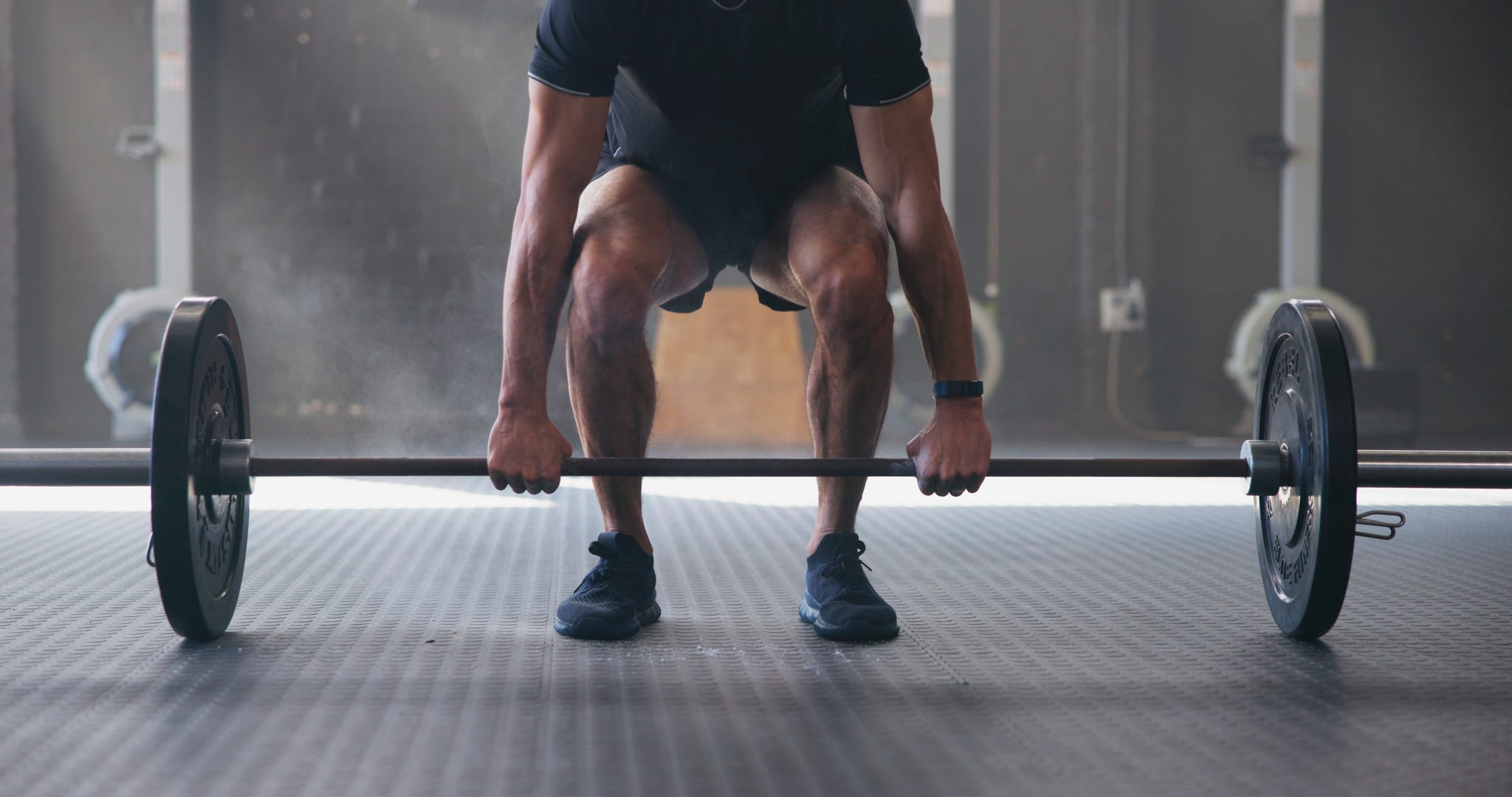
"By applying external torque to the barbell, lifters create a ‘packed’ shoulder position that transforms the upper body into a rigid, high-performance lever system, maximizing power while protecting vulnerable joints."
The barbell remains the undisputed centerpiece of the strength-training world, serving as the primary tool for the compound movements that build foundational mass and raw power. However, the effectiveness of the bench press, deadlift, and squat is often limited not by a lifter’s muscular potential, but by a lack of internal stability and technical precision. The "break the bar" cue is a sophisticated biomechanical adjustment that addresses these limitations by forcing the body into an optimal alignment, ensuring that every ounce of effort is transferred directly into the lift rather than being dissipated through unstable joints.
The Foundation of Barbell Mastery
In the hierarchy of gym equipment, the barbell is unique in its capacity for progressive overload. Unlike dumbbells or machines, it allows for the maximal loading of the musculoskeletal system. Yet, with great weight comes a heightened requirement for technical mastery. Most lifters focus on the "push" or "pull" phase of a movement, often neglecting the setup—the critical moment where tension is established before the weight even leaves the rack or the floor.
To bridge the gap between mediocre gains and elite performance, strength coaches often utilize specific mental cues to trigger physical responses. Among the most effective is the command to "break the bar." While physically impossible to achieve with a steel rod, the attempt to do so initiates a chain reaction of muscular recruitment and joint centration that fundamentally changes the physics of the lift.
The Anatomy of the Cue: A Three-Step Process
Implementing this technique requires a conscious shift from passive holding to active engagement. It is a three-stage process that begins at the hands and radiates through the entire kinetic chain.
Step 1: The Principle of Irradiation
The first step is to grip the bar with maximal intensity. This is not a casual hold; it is a "white-knuckle" grip. In exercise physiology, this utilizes a principle known as irradiation. When a muscle is contracted at near-maximal intensity, the nerve impulses "spill over" into adjacent muscles. By squeezing the bar as hard as possible, a lifter automatically recruits the forearms, biceps, and triceps, creating a more stable foundation for the heavier muscle groups to work from. This increased neural drive prepares the central nervous system for the impending load.
Step 2: Creating External Torque
The core of the "break the bar" technique lies in the attempt to rotate the arms externally. Imagine holding a thick branch and trying to snap it in half by twisting your thumbs away from each other and pulling the ends of the branch toward your feet. On a bench press, this means attempting to bend the bar into an "upside-down U" shape.
While the hands remain fixed on the bar, this rotational force occurs at the humerus (the upper arm bone). This action forces the elbows to tuck slightly toward the ribs and the shoulder blades to retract and depress. This is the "packed" shoulder position—the safest and most mechanically advantageous posture for any upper-body pressing or pulling movement.

Step 3: Maintaining the Kinetic Chain
The final step is the maintenance of this tension throughout the entire duration of the set. Many lifters find the correct position during the setup but lose it as fatigue sets in during the final repetitions. True strength is found in the ability to maintain this "break the bar" tension from the first descent to the final lockout. This sustained contraction ensures that the primary movers—the pectorals, deltoids, and lats—remain the primary drivers of the movement.
Biomechanical Benefits: Stability and Safety
The "break the bar" cue is more than a mental trick; it is an application of structural engineering to the human body. By creating external torque, the lifter achieves several critical physiological advantages.
Glenohumeral Joint Centration
The shoulder is a ball-and-socket joint known for its extreme mobility but inherent instability. When a lifter "breaks the bar," they engage the rotator cuff muscles (the supraspinatus, infraspinatus, teres minor, and subscapularis). These muscles act as dynamic stabilizers, pulling the head of the humerus firmly into the center of the glenoid fossa (the socket). This "centration" reduces the risk of subluxation and ensures that the joint is properly aligned to handle heavy loads without impingement.
Scapular Retraction and Depression
A common mistake in the bench press is allowing the shoulders to "roll forward" or shrug toward the ears. "Breaking the bar" forces the scapulae (shoulder blades) down and back. This creates a stable "shelf" against the bench, shortening the distance the bar has to travel and providing a solid base from which to press. It effectively turns the upper back into a foundation of support, rather than a point of collapse.
Eradicating Elbow Flare
In the bench press, "elbow flare"—where the elbows move out to 90 degrees from the torso—is a leading cause of rotator cuff tears and chronic shoulder pain. By attempting to bend the bar, the lifter naturally tucks the elbows to a safer 45-to-75-degree angle. This alignment shifts the stress away from the delicate connective tissues of the shoulder and places it squarely on the larger, more capable muscle fibers of the chest and triceps.
The Latissimus Dorsi: The Secret Pressing Muscle
One of the most surprising benefits of the "break the bar" cue is the immediate activation of the latissimus dorsi. While the lats are primarily pulling muscles, they play a vital role in pressing movements as stabilizers. When the bar is "broken," the lats flare and tighten, acting as a secondary "spring" or cushion during the eccentric (lowering) phase of a lift. In the deadlift, lat engagement is even more crucial, as it keeps the bar close to the body’s center of gravity, preventing the weight from pulling the lifter forward and compromising the lumbar spine.
Universal Application Across Compound Lifts
While most famously applied to the bench press, the "break the bar" philosophy is a universal tool for strength.
- The Deadlift: Before the bar leaves the floor, a lifter should "pull the slack out of the bar" by using this cue. By trying to wrap the bar around their shins, they engage the lats and set the spine in a neutral, protected position.
- The Back Squat: Even though the hands aren’t moving the weight, "breaking the bar" across the traps creates a rigid upper back. This prevents the torso from collapsing forward under the weight and ensures that the power generated by the legs is not lost through a "soft" midsection.
- The Pull-Up: Applying the cue to a pull-up bar helps the lifter lead with the chest and engage the back muscles more effectively, preventing the shoulders from shrugging and reducing strain on the bicep tendons.
Conclusion: The Path to Long-Term Gains
The "break the bar" technique represents the intersection of brute strength and refined movement science. By mastering this cue, lifters can expect an immediate increase in their capacity to move heavy weight, but the true value lies in the long-term implications. Improved joint tracking and muscular recruitment lead to a significant reduction in wear-and-tear injuries, allowing for more consistent training cycles over many years.
In the pursuit of physical excellence, it is often the smallest adjustments that yield the greatest results. By treating the barbell not as a static object to be moved, but as a tool to be manipulated through torque and tension, the lifter unlocks a new level of performance, transforming every rep into a masterclass in biomechanical efficiency.